On June 21, the 104th edition of the Pikes Peak International Hill Climb will take place; it is the second-oldest race still contested in American motorsport, trailing only the Indianapolis 500. Drivers have been competing in this event since 1916. It follows a 12.42-mile (19.99-kilometer) course featuring 156 turns and an elevation difference of approximately 2,860 meters between the start and finish lines. To put this elevation gain into perspective, it would be like a race starting at sea level in Santos and finishing at Pico da Bandeira—one of the highest points in Brazil!
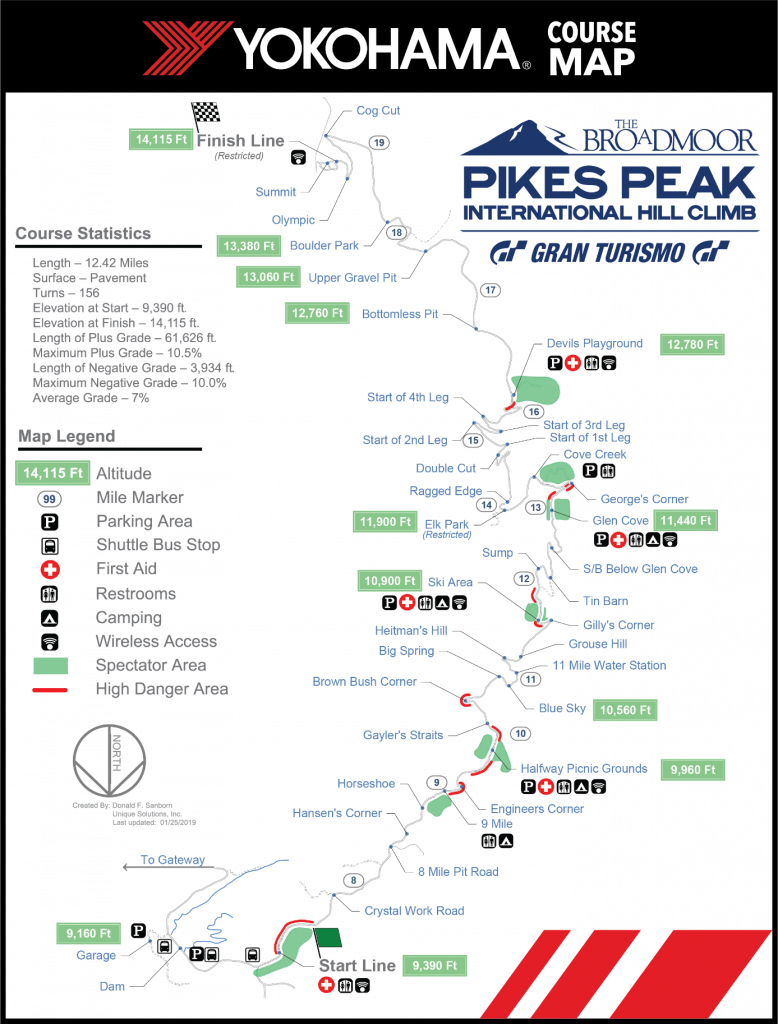
For most of its history, the race was contested on a gravel surface; however, since 2011, the route has been fully paved following the discovery that gravel erosion from the road was causing environmental damage to vegetation and water sources.
However, anyone who thinks the challenge is any less daunting is mistaken: the switch to asphalt has made the race much faster. While loose gravel used to help slow cars down in the event of an incident, any mistake now carries the risk of plunging off a cliff, given that most of the route lacks guardrails. To make matters worse, the mountain’s weather cycle is extremely harsh on the asphalt; rain seeps into the ground and freezes, creating ridges in the road surface that can reach up to 6 centimeters in height. This combination can lead to very serious accidents—so much so that the safety requirements, particularly regarding the roll cages of cars competing at Pikes Peak, are among the strictest in global motorsport.
Classes
As for the competition, the event is divided into six classes:
- Super Unlimited: the fastest class at Pikes Peak, where competitors need only meet the safety requirements outlined in the regulations;
- Exhibition: established to allow manufacturers and tuners to demonstrate the capabilities of concept and pre-production cars. It is currently the only category that allows for the entry of hydrogen-powered models;
- Pikes Peak Open: for cars based on mass-production models, though modifications to the engine, suspension, and brakes are permitted, as is the addition of wings and other aerodynamic components;
- Time Attack 1: for cars based on production models that retain their original engine and drivetrain configurations (4×2 or 4×4), subject to limits on the total surface area of aerodynamic elements (601,289 mm²);
- Pikes Peak GT4 Trophy by Yokohama: for cars built to FIA GT4 regulations, equipped with Yokohama tires;
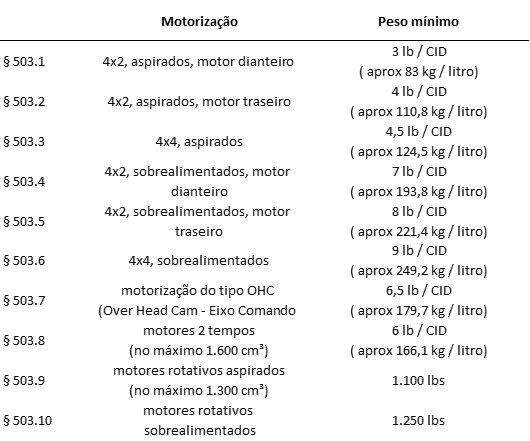
- Open Wheel: the most traditional Pikes Peak class, contested since 1916; Open Wheel allows for the participation of open-wheel, single-seater cars—featuring either 4×2 or 4×4 drivetrains—with designs ranging from buggies to Indycars. The primary requirement is compliance with the following weight-to-displacement ratio:
Who to keep an eye on
The list of competitors for this edition includes 72 entries, highlighting the large number of competitors in the Super Unlimited class, which has 20 entrants.
The Cross-over between hill climbing and rock crawling
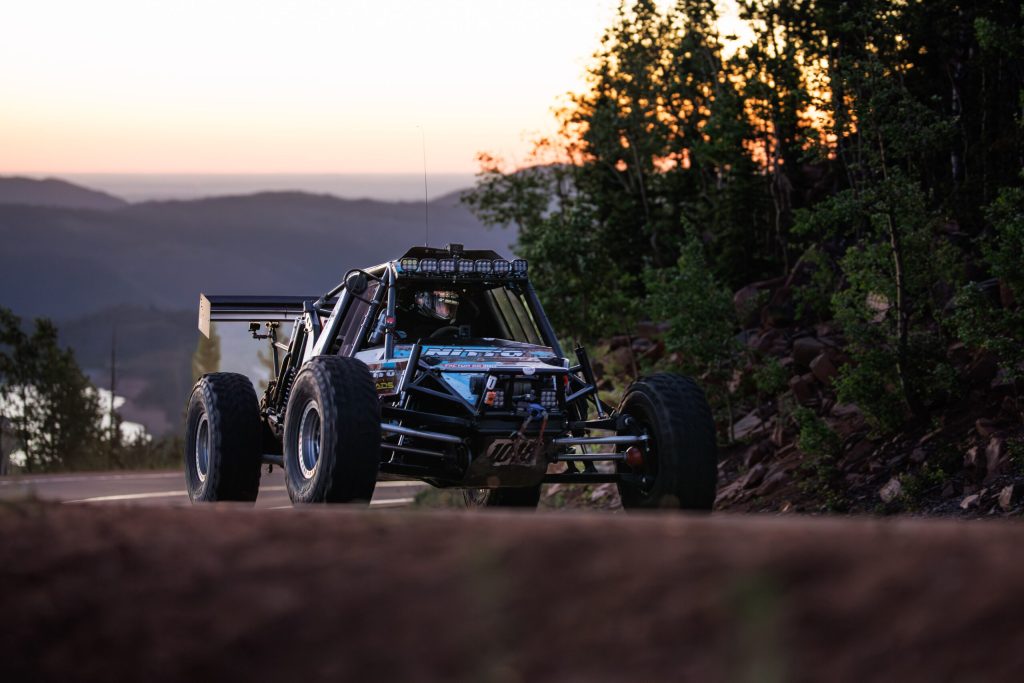
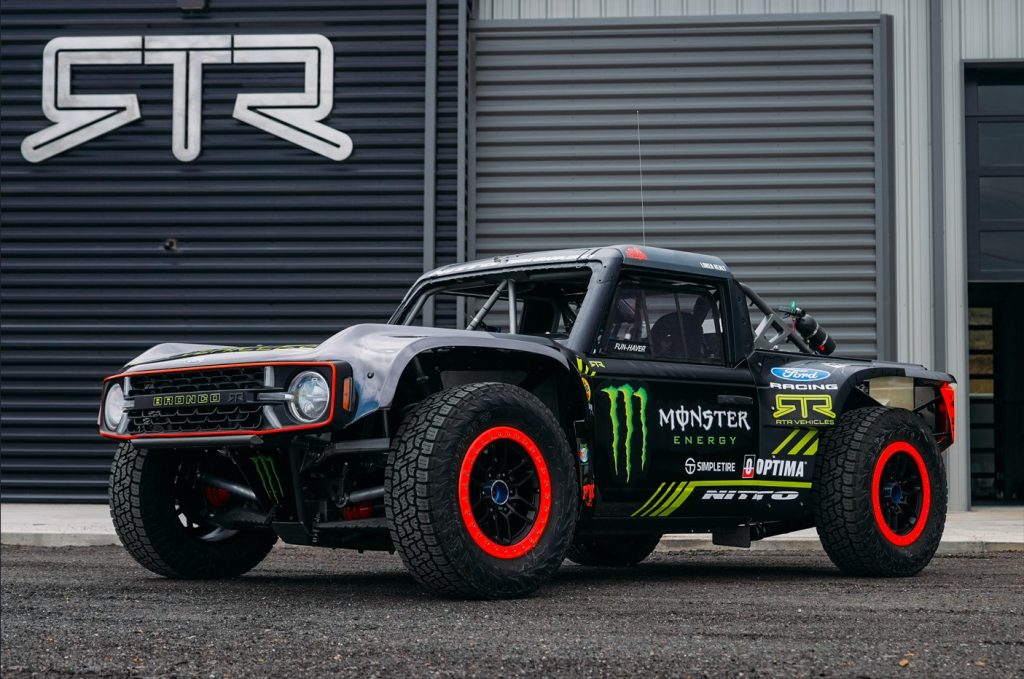
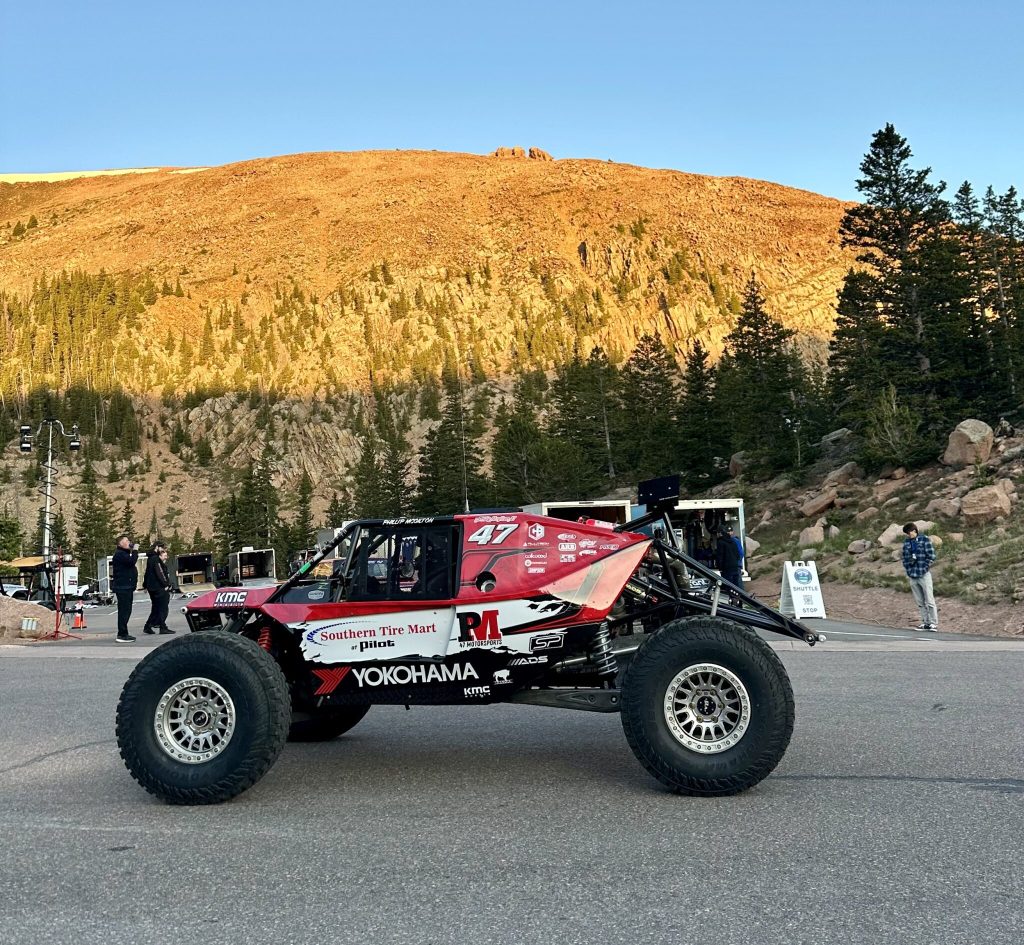
One of the new features of this year’s Pikes Peak is a crossover with Ultra4USA—an off-road and rock-crawling racing series that competes across the United States—featuring four registered vehicles. These include Currie Casey’s Jeep Gladiator, a tubular-chassis prototype that, despite its Jeep bodywork, is equipped with an 850-hp 7.4L V8 LSX engine and a 3-speed Turbo 400 transmission.
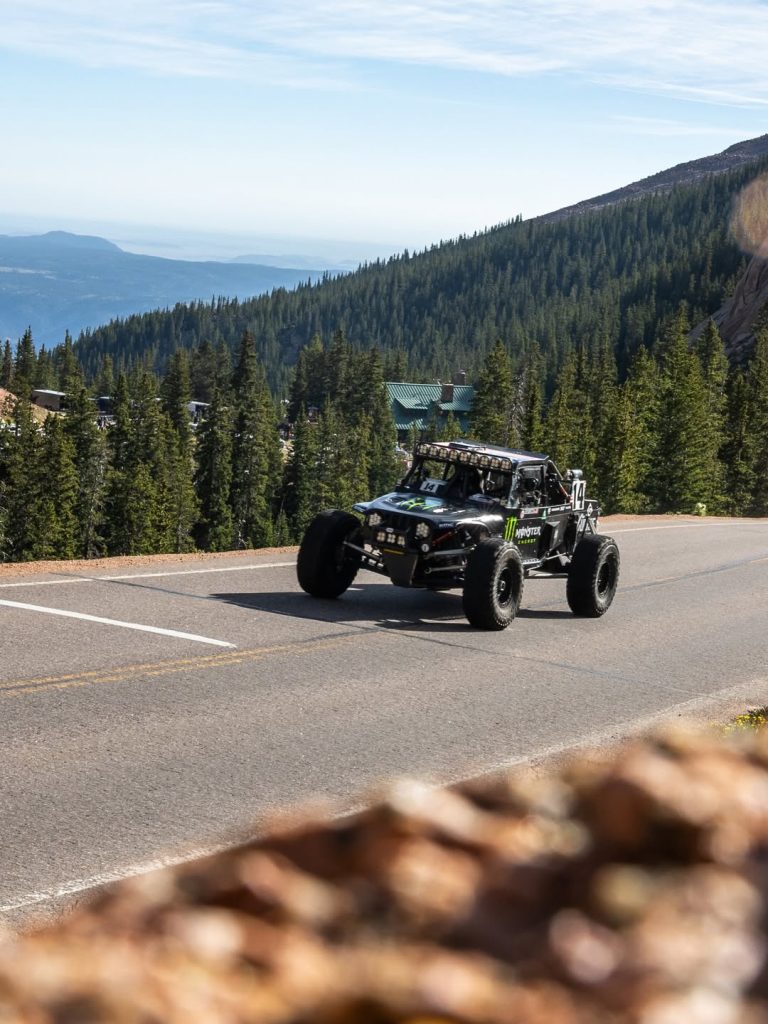
The other entrants include reigning Ultra4USA national champion Phillip McGilton and his Campbell Enterprises rig, Loren Healy’s “El Bandito” Ford Bronco, and Paul Wolff’s UFO 4400. Given their configuration, these cars won’t be contending for the overall win, but it will be a great opportunity to see a completely different style of vehicle and driving in the race.
An unusual debut
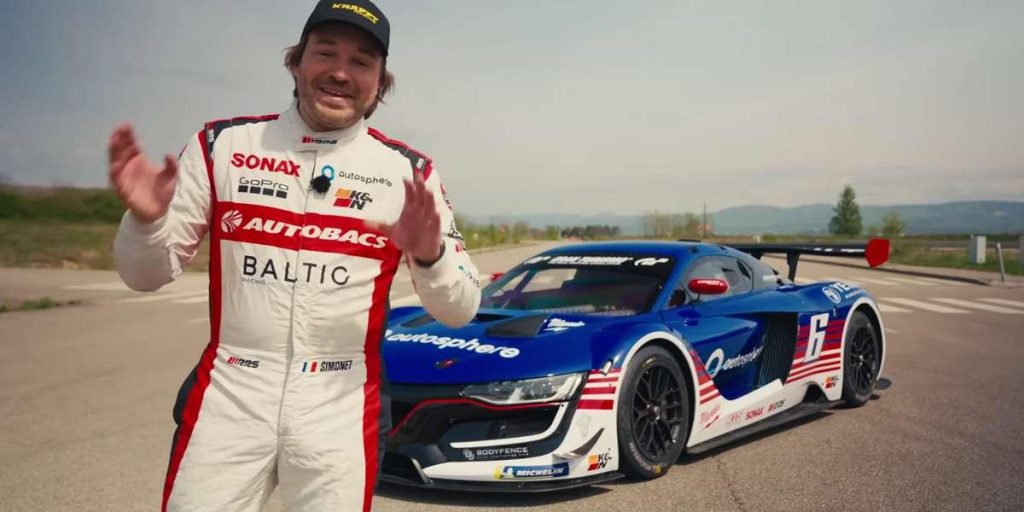
Over the years, various European manufacturers have competed in and won at Pikes Peak, including names such as Maserati, Volkswagen, Audi, and Peugeot. Curiously, Renault has never had an official factory presence, although a Dacia Duster (in the Super Unlimited class) and an Alpine A110 GT4 EVO have competed there in the past. That situation is set to change in 2026 with the entry of Valentin Simonet’s Renault RS 01—a car virtually identical to those used in Renault’s one-make series—which secured third place among Open class cars in the qualifying session.
The battle for the overall victory
8. Superlite Aero – Eli Olivas
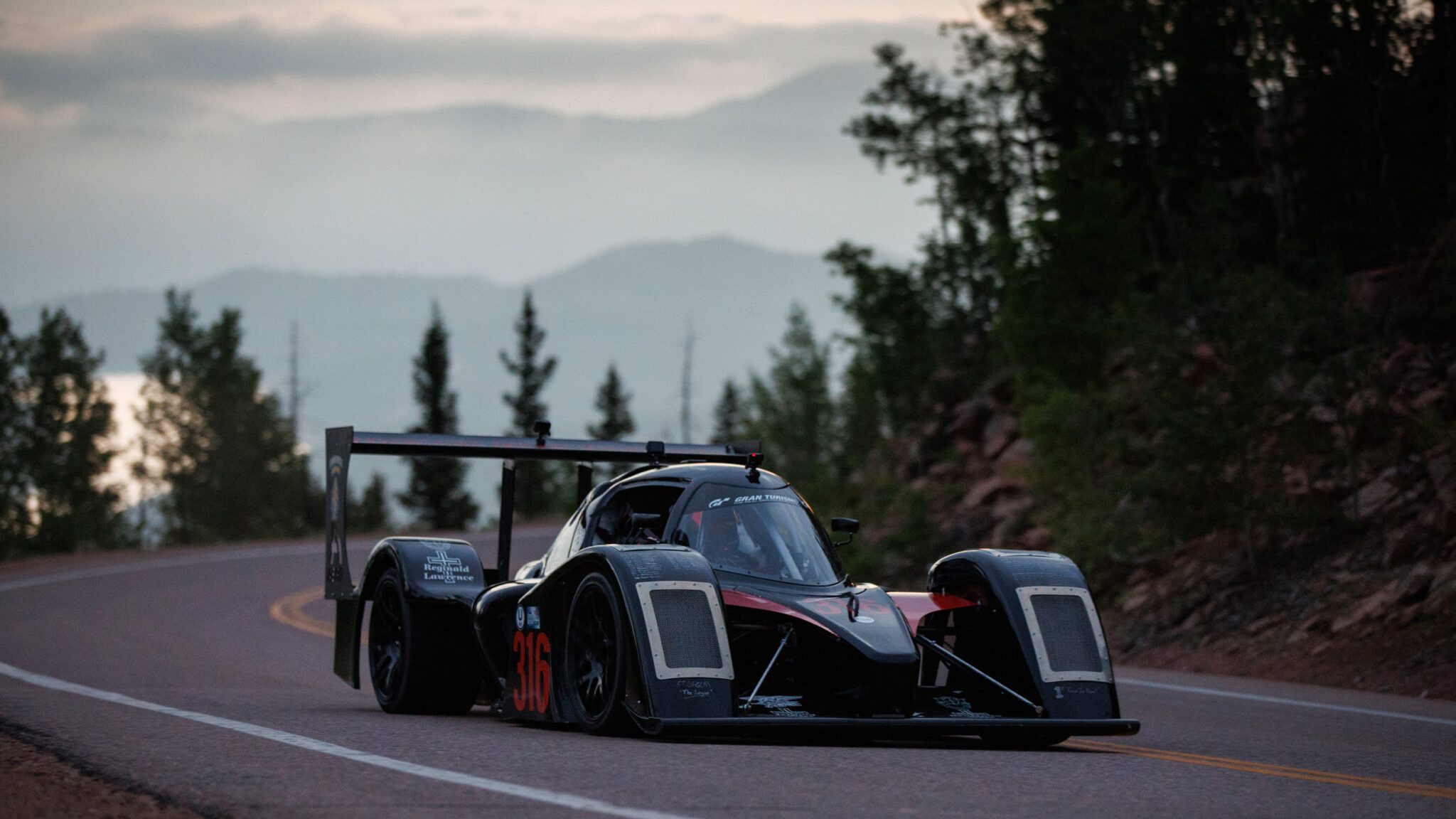
Developed as an affordable, high-performance prototype, the Superlite Aero has successfully competed in events organized by NASA, FARA, and other bodies across the United States. Powered by an 850-hp Chevrolet LT5 engine and weighing 1,100 kg, Olivas made his Pikes Peak debut in 2025, finishing 53rd overall. In 2026, he placed 23rd in qualifying.
7. Reynard 01I “Brotus” – Danny Aitken
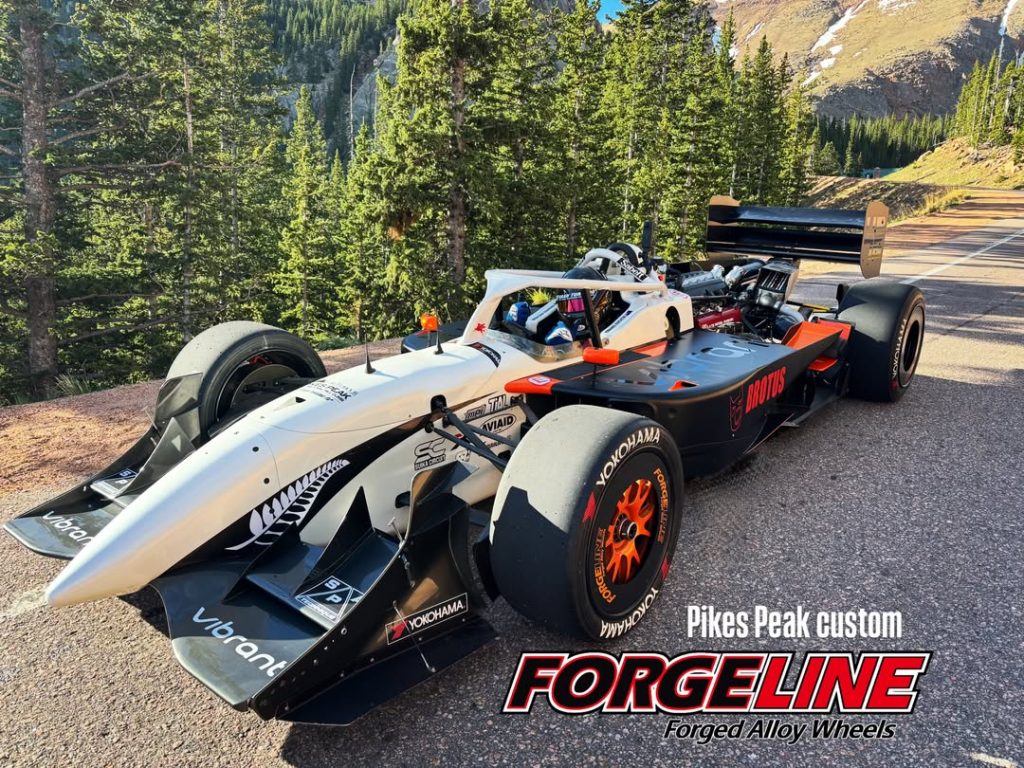
In the past, the Pikes Peak International Hill Climb was an unofficial event on the USAC calendar during the 1960s, featuring cars similar to Indy cars. Over the following decades, competitors using Indy-style monocoque chassis appeared sporadically. In 2026, Danny Aitken is bringing another such machine to Pikes Peak: the Brutus. It is based on a Reynard 02I—similar to those used in CART—but is powered by a twin-turbo 6.2L Chevrolet LT2 V8 engine. Having previously competed in a 1,400-hp Chevy SS NASCAR, the New Zealander—now based in the United States—is taking on the mountain, clocking a time of 4:27.675.
6. The Nighthawk Pikes Peak Special – Patrick Culligan
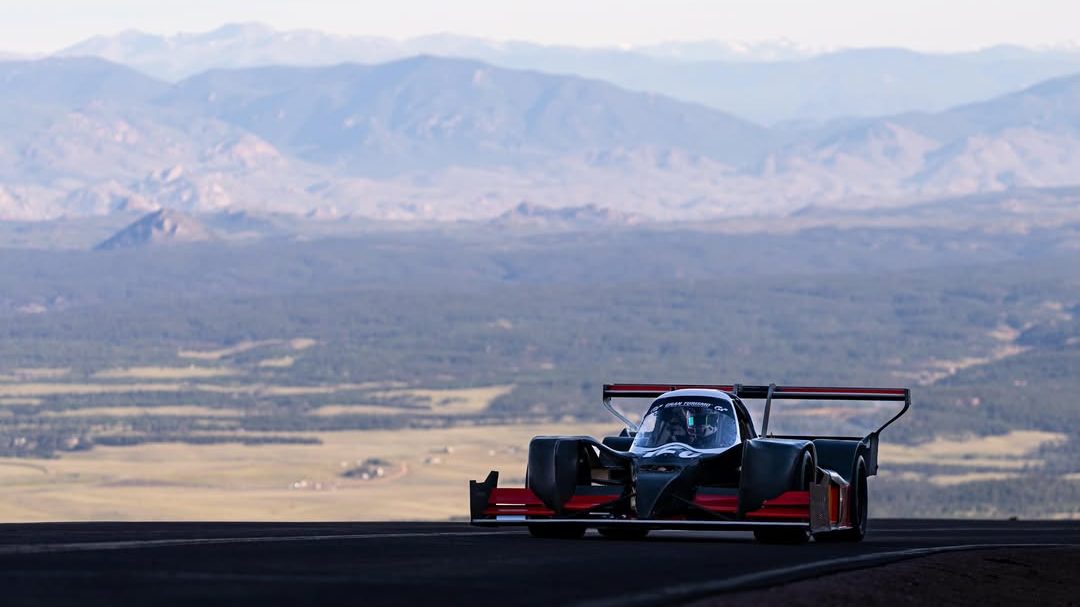
Another iconic Pikes Peak machine, the Enviate Hypercar, returns for another attempt—now renamed the Nighthawk—with Patrick Culligan set to pilot the prototype in 2026. Equipped with a Steve Morris-tuned LS engine delivering around 2,000 hp and weighing 930 kg, the car previously finished in 12th place with a time of 4:22.493.
5. Volkswagen Golf GTI Pikes Peak – Jim Morris
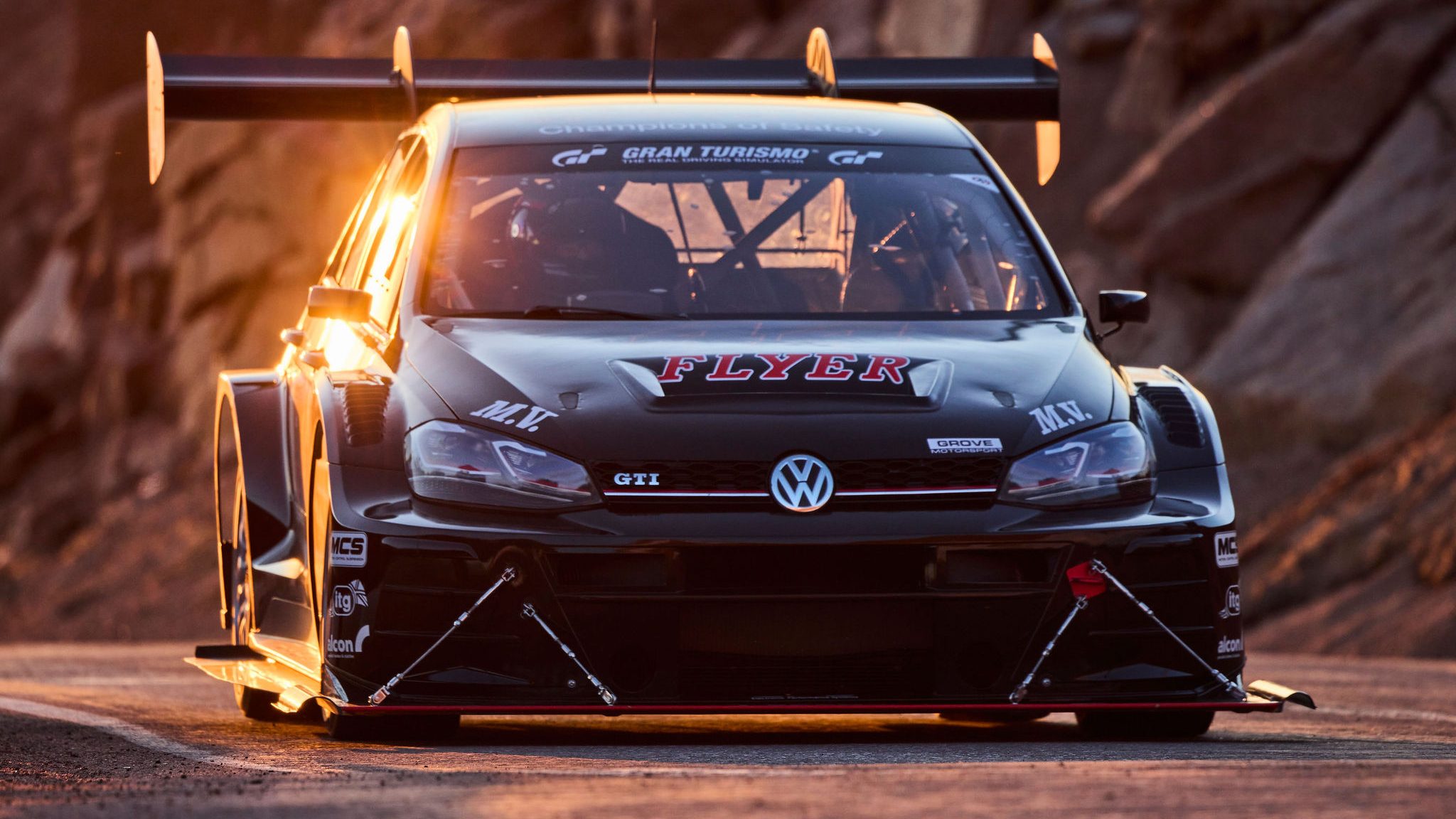
While some battle for the overall win or the event’s outright record, Jim Morris’s main goal is to break the record for front-wheel-drive cars—currently 10m48s, set by XXX in 2018. To achieve this, he prepared a 2014 Golf GTI with over 500 hp, an Xtrac sequential transmission, and aerodynamics reminiscent of a Time Attack car. The British driver clocked a time of 4m22.145s in the qualifying session.
4. Wolf GB08 Extreme – Henry Hill
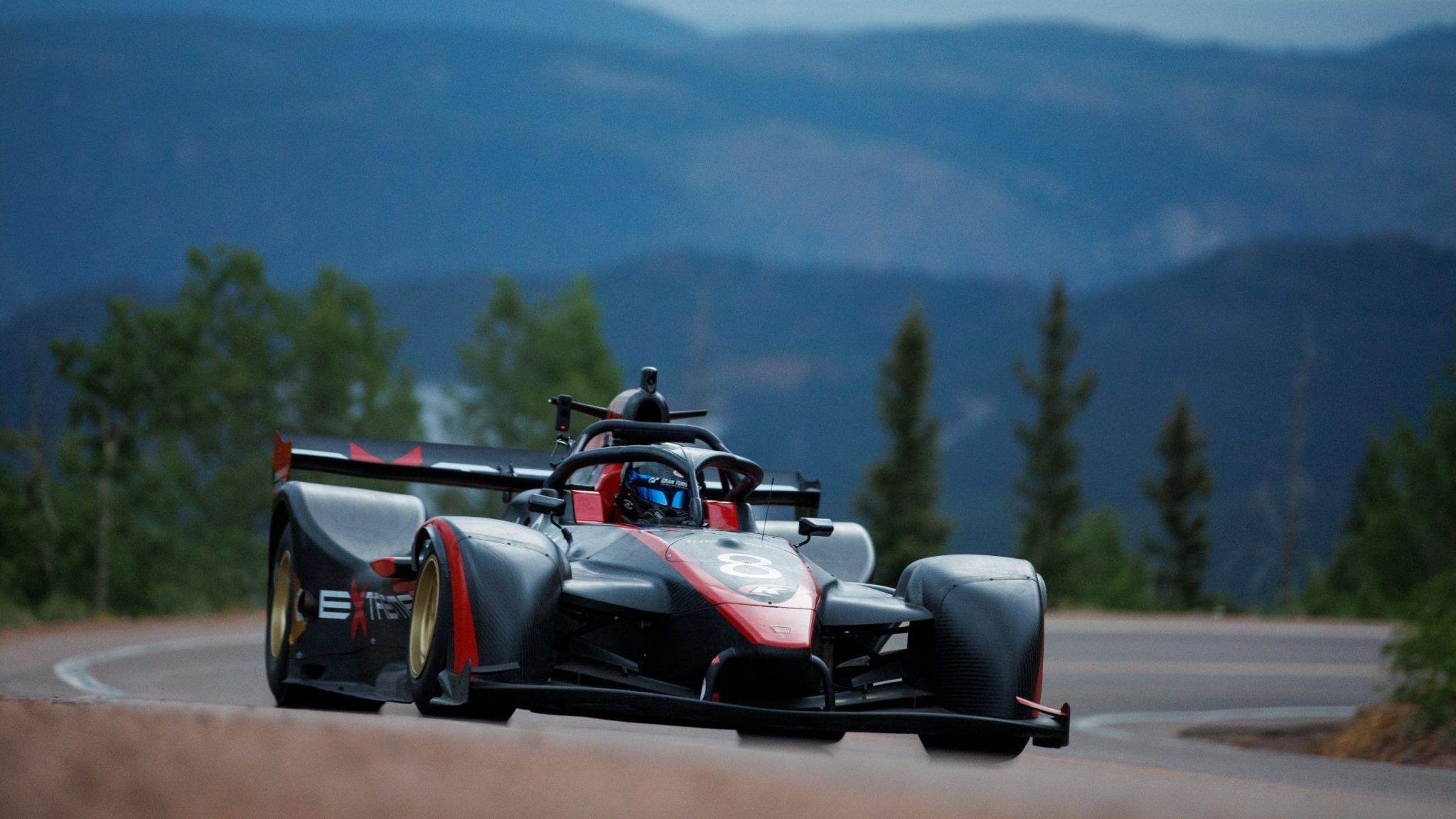
For 2026, 2022 Rookie of the Year Henry Hill is competing with a Wolf GB08 Extreme in a single-seater configuration. Developed for circuit racing and hillclimbs, the GB08 features a carbon-fiber monocoque and a HALO system, and is powered by a 650 hp Ford Coyote V8 engine; it has competed in hillclimb events across Europe as well as MAXX Formula single-seater races, facing off against F1 and Indy cars. In qualifying, Hill secured sixth place with a time of 4:11.865.
3. Ford Super Mustang Mach-E – Romain Dumas
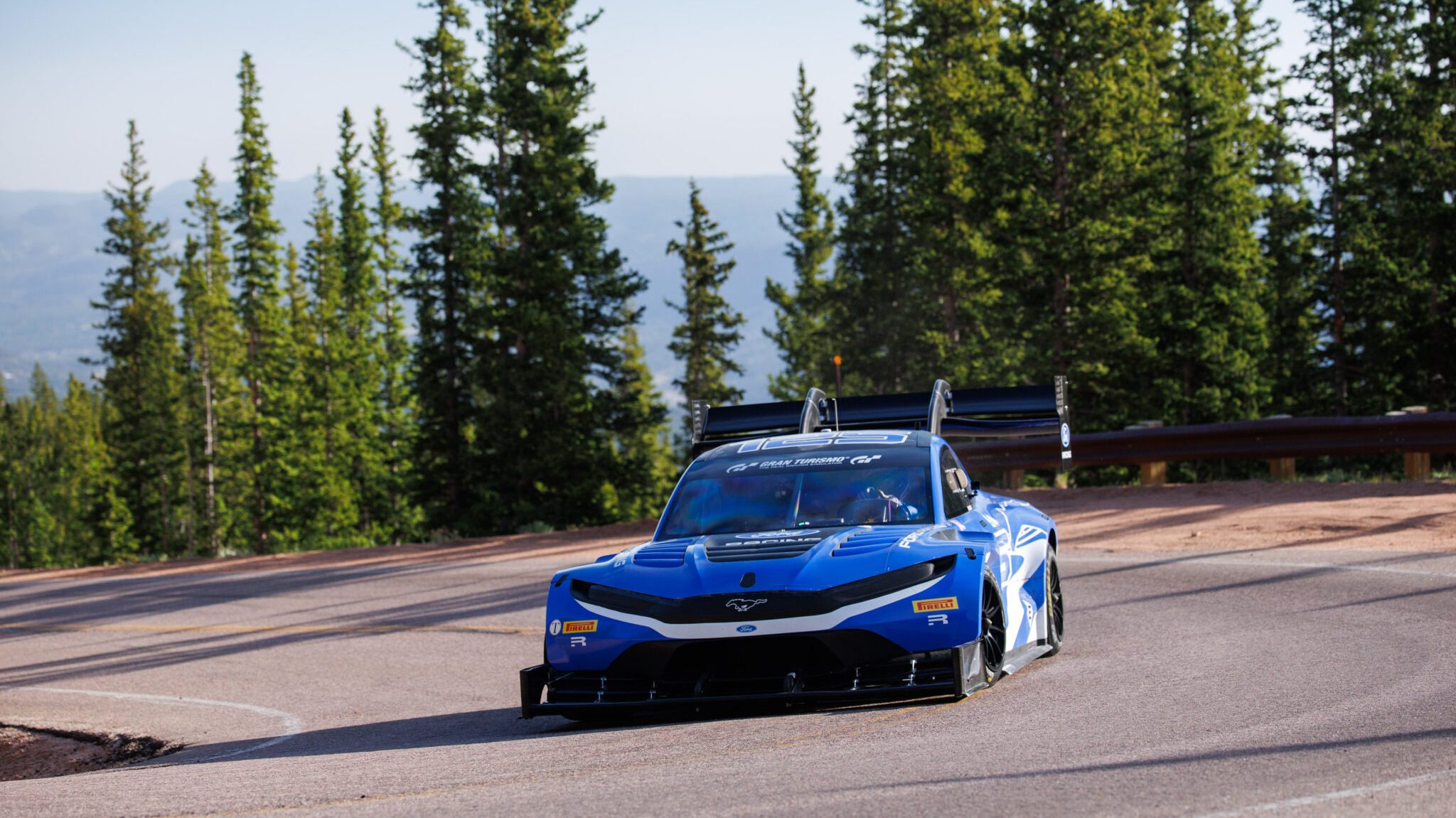
While the other entries on this list come from private teams and small constructors, Ford returns to Pikes Peak with five-time champion Romain Dumas at the wheel of the Super Mustang Mach-E Pikes Peak. After missing the 2025 event to Simone Faggioli, the silhouette racer returns to the mountain. It is equipped with three electric motors delivering a combined 1,421 hp and generates approximately 3,100 kg of downforce—specs that allowed Dumas to clock the third-fastest qualifying time of 3:28.919.
2. The Sendycar V1 – Robin Shute
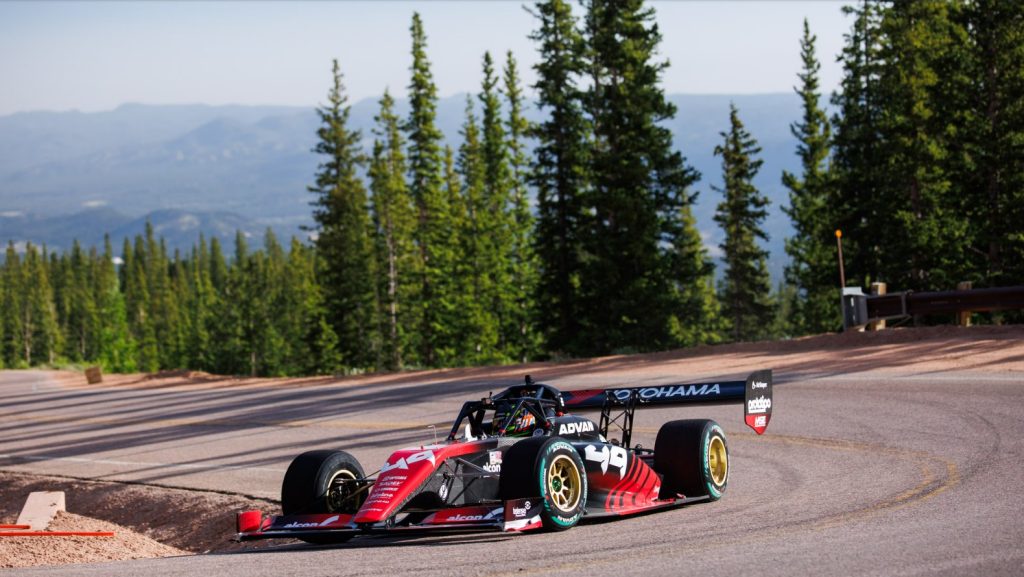
After winning Pikes Peak four times with Wolf GB08 prototypes heavily modified by his team, Robin Shute realized the Wolf’s technical package had reached its limits. Consequently, he set out to build a new car based on a Tatuus Formula 4 monocoque. The vehicle was equipped with a Synergy 2330 V8 Turbo engine (featuring a custom block but an architecture derived from the BMW S1000RR engine—a concept similar to the Hartley V8), a Sadev SLR82-14 transmission, and an in-house aerodynamic package. Although he viewed 2026 as a testing year for a car developed from scratch, Robin Shute qualified in second place with a time of 3:24.917.
1. Nova Proto NP01 ATM Bardahl – Simone Faggioli
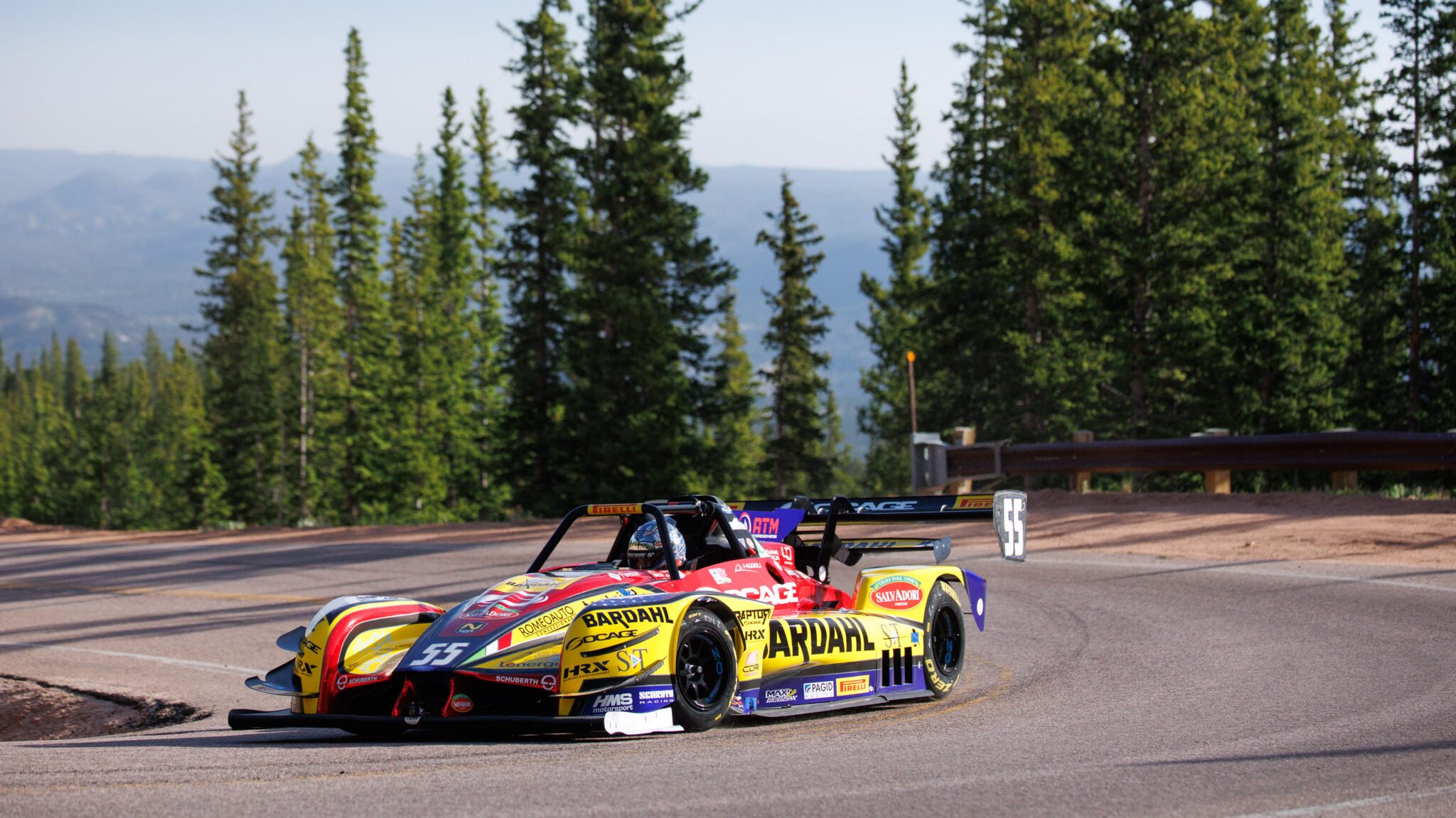
When Duqueine acquired Norma Auto Concept’s LMP3 operation, Guillem Roux and Camille Gautrè Santos (daughter of Norma founder Norberto Santos) founded Nova Proto to continue supporting Norma’s CN prototypes, such as the M20FC. Building on that foundation, the NP01 was developed and achieved great success in hillclimb events. In 2025, multiple European hillclimb champion Simone Faggioli drove his EMAP twin-turbo-powered NP01 to victory. In the 2026 event standings, Faggioli set the fastest time at 3:21.858. Two other NP01s finished in fourth and fifth place, driven by Franco Caruso and Diego Degasperi, respectively.
Sources:
Valentin Simonet lance Renault dans la célèbre montée de Pikes Peak. Available at: https://www.confidential-renault.fr/Actualites/Rallye/9289/Valentin-Simonet-lance-Renault-dans-la-celebre-montee-de-Pikes-Peak.
BEHIND THE WHEEL – Eli Olivas. Available at: https://ppihc.org/behind-the-wheel-eli-olivas-2/.
BEHIND THE WHEEL – Henry Hill. Available at: https://ppihc.org/behind-the-wheel-henry-hill/.
Thursday’s Qualifying and Race Order Set. Available at: https://ppihc.org/thursdays-qualifying-and-race-order-set/.