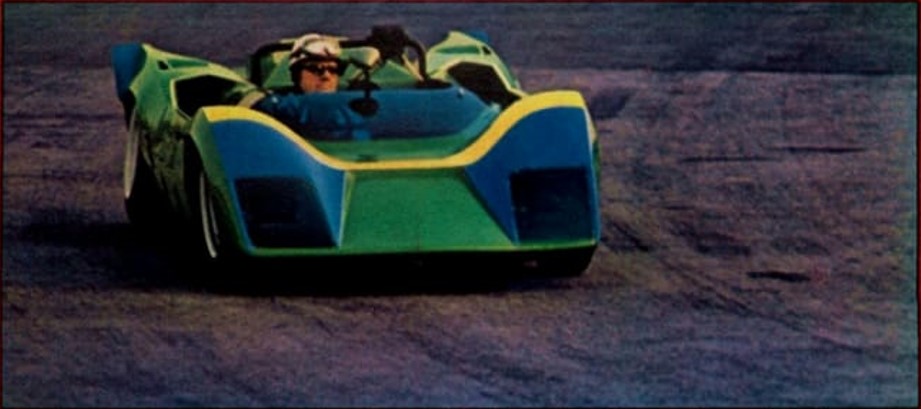
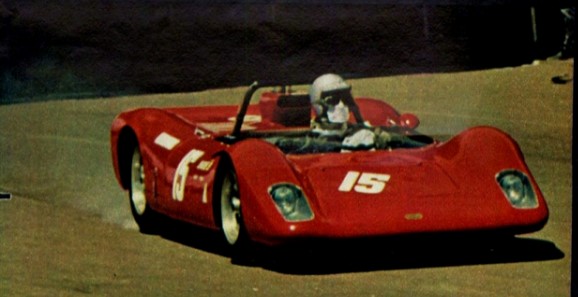
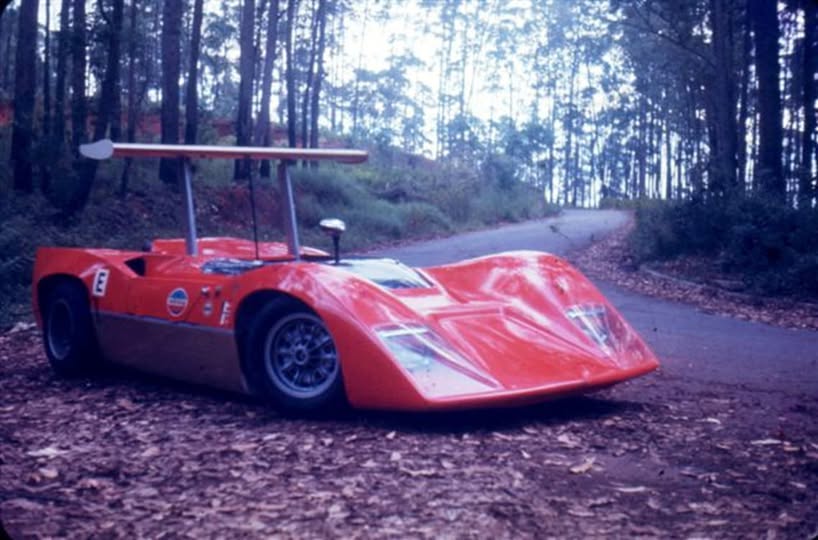
In the late 1960s, Anísio Campos was already an established name in the Brazilian motorsport scene, and he felt that the prototypes and roadsters competing in Brazil were “devoid of beauty,” regardless of their efficiency on the track. With this in mind, he developed the AC prototype to combine beauty and performance, using the Group 7 regulations as a base, although with some modifications the car could also be classified in Group 6.
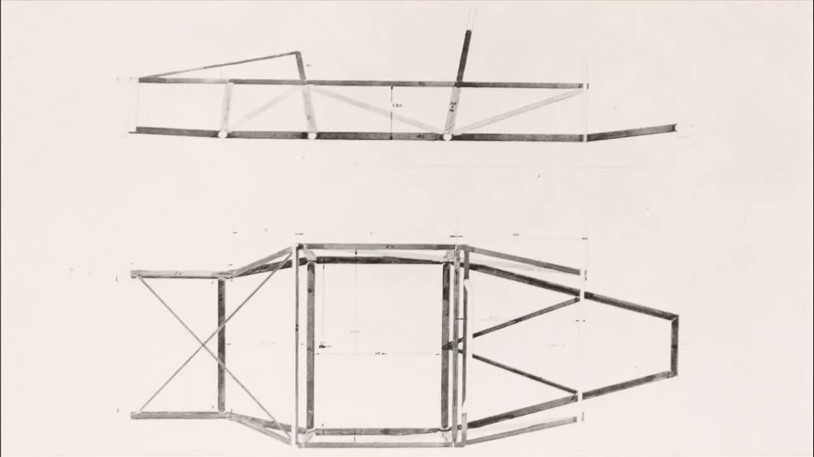
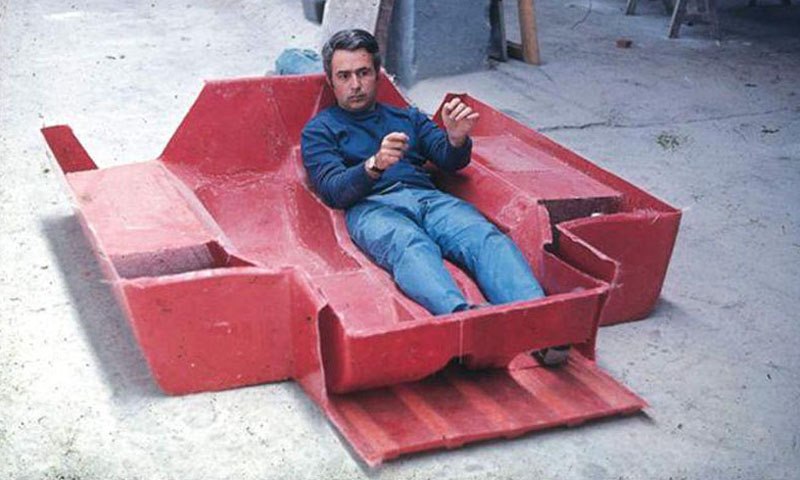
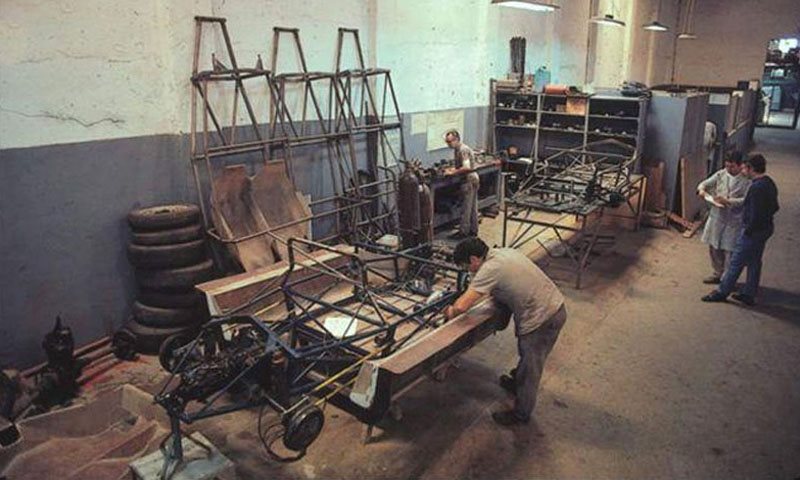
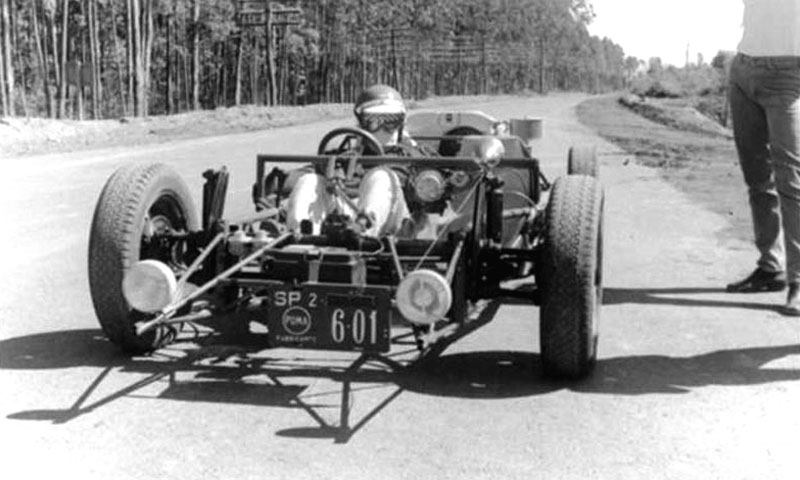
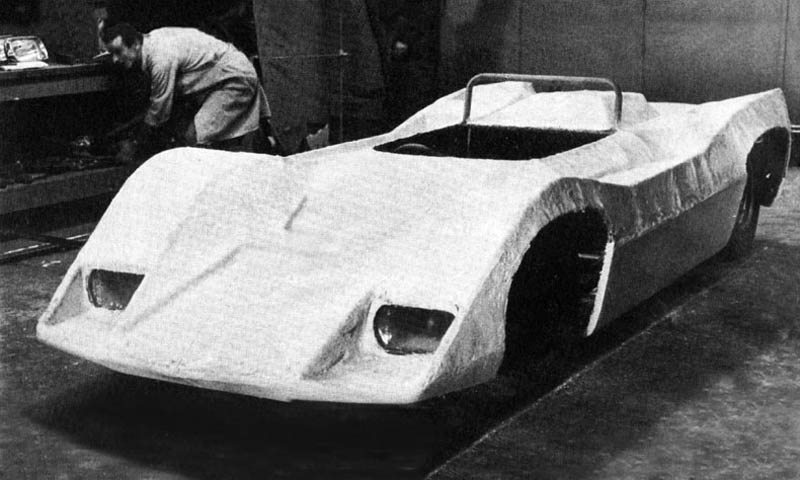
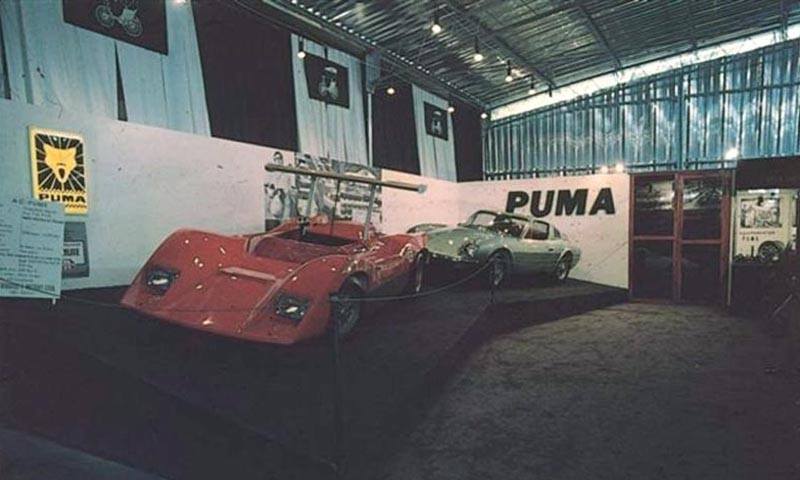
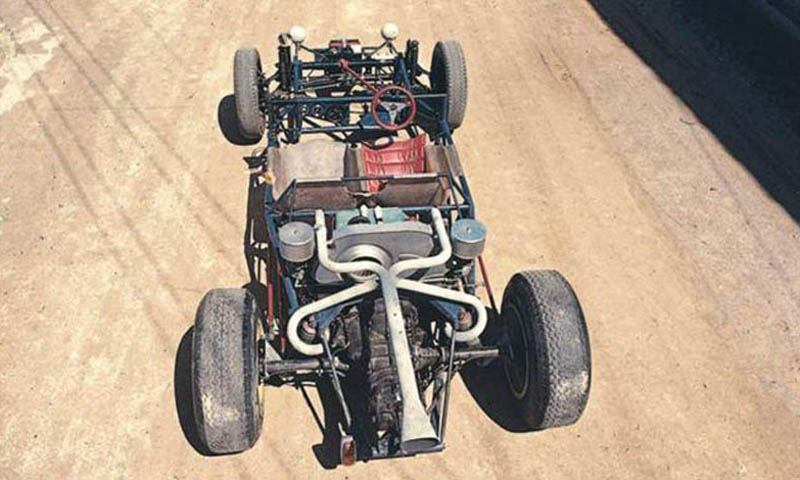
The car was presented to the public in 1969 at the Puma stand at the Motor Show, and attracted attention for its red color and aggressive lines. The chassis was constructed of SAE 1030 steel to reduce costs and simplify maintenance, and the bodywork was molded from fiberglass, resulting in a weight of only 490 kg.
The front suspension was from Volkswagen cars, while the rear, also independent, was designed by Anísio Campos. Initially, the car received a Volkswagen 1600 engine prepared by Roger Resny with a Puma kit and a side oil cooler. The transmission was Volkswagen, mounted in an inverted position.
One of the car’s major innovations was the use of a central rear wing that could be adjusted from inside the cockpit by the driver: with the push of a button on the dashboard, the wing could be moved from a position parallel to the ground to an angle of 45 degrees.
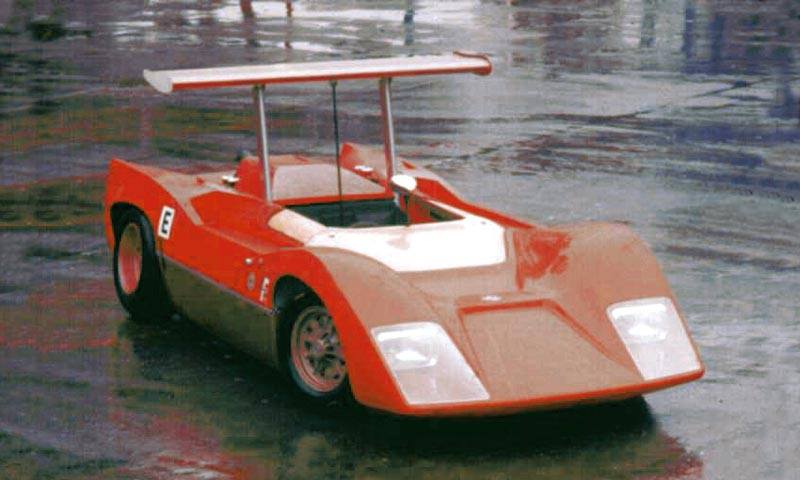
During a test conducted by Expedito Marazzi for Quatro Rodas magazine, the journalist revealed that he identified understeering (a tendency to front-end slide) in the car, something unexpected for a mid-engine prototype. He also commented that the aerodynamic pressure center generated by the rear wing was behind the car’s center of mass, causing the front to feel light and practically eliminating the benefit of the extra downforce when cornering. In an initial test with the AC at the Rio de Janeiro racetrack, Pedro Victor Delamare recorded a time of 1m37s7, very close to the times of the Bino MkII (1m36s5) and the Fitti-Porsche (1m33s4).
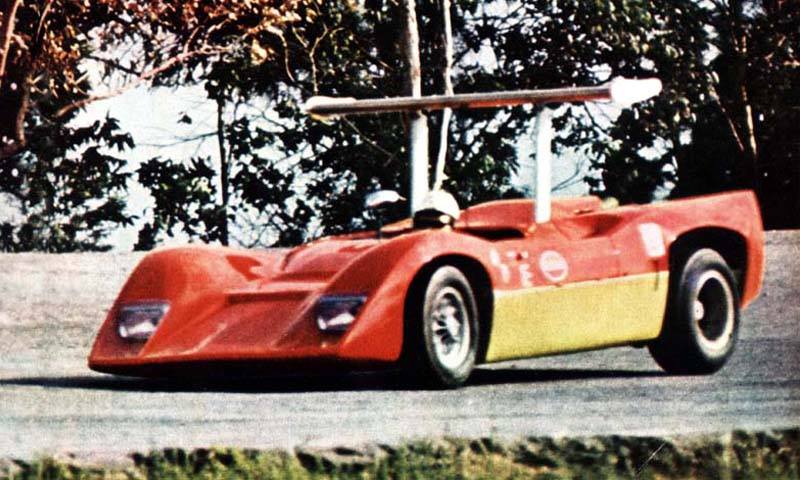
With the arrival of new imported cars with more powerful engines, such as the Lola T70 and Alfa 33, the AC with its Volkswagen engine was no longer able to compete at the top. To try and reverse this gap, Anísio Campos, along with Bird Clemente, bought the mechanical components from the Fitti-Porsche, representing the maximum possible performance for the AC, which was designed to accommodate the Volkswagen engine. Curiously, the AC had right-hand drive, and while in the AC-VW the gear lever was also on the right, in the AC-Porsche the lever was in the center, forcing the driver to operate the gearshift with their left hand. The car’s performance with the new engine proved promising, despite the gear ratios not being ideal, with very long gear ratios, especially first and fourth gear.
Race History
AC’s debut on the track was driven by Angi Munhoz in the Marechal Costa e Silva race, held on the outer ring of the Curitiba racetrack. Considered one of the favorites for the victory, Angi fought for the win in the early laps, until he retired on the 15th lap with a cracked oil cooler.
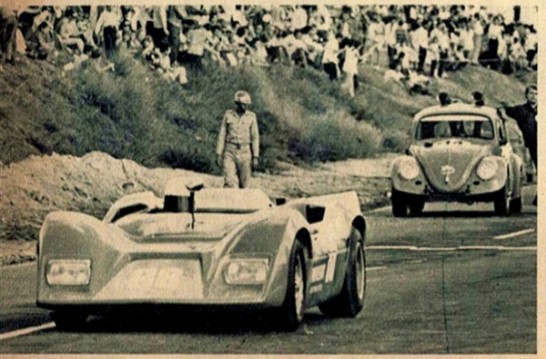
Next came the 1,000 Kilometers of Brasília, the first stage of the Brazilian Touring Car Championship, where three AC cars were supposed to race. They were supposed to, because the car that would have been driven by Anísio Campos and Bird Clemente didn’t even get to start. The other two cars, driven by the pairs Fritz Jordan/Cláudio Daniel Rodrigues Filho and Walter Hahn Jr./Angi Munhoz, competed in the second group but didn’t finish in the top 10 in the race, which was won by the Alfa GTA of Marivaldo Fernandes and José Carlos Pace.
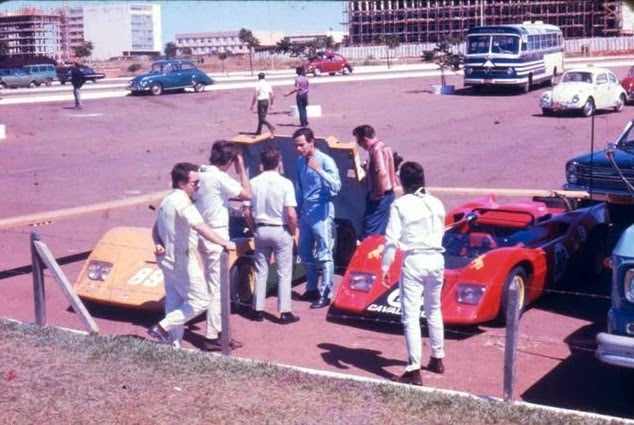
The next event was the Three Hours of Speed race held at the Guanabara circuit, valid as the first stage of the Brazilian Drivers’ Championship. The race saw an easy victory for José Carlos Pace’s Alfa 33, but the AC prototypes performed well: Francisco Lameirão set the second fastest time in qualifying, behind the Alfa but ahead of stronger cars like Marcelo de Paoli’s Lola T70 and Eduardo Celidonio’s Snob’s.
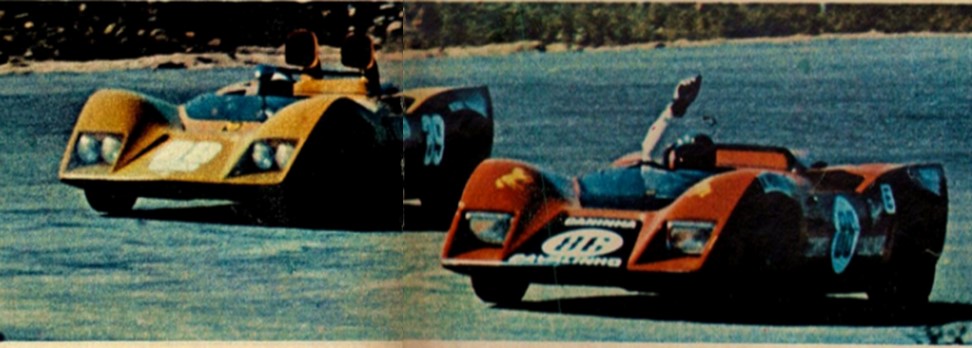
In the race, Lameirão maintained second position even with a broken clutch, until he retired on the seventh lap with an engine failure. Another car, driven by Wilson Fittipaldi who bought it from Angi Munhoz, also performed well until retiring with a blown engine. It was up to the then-rookie Fritz Jordan to take second place overall, demonstrating the potential of the AC.
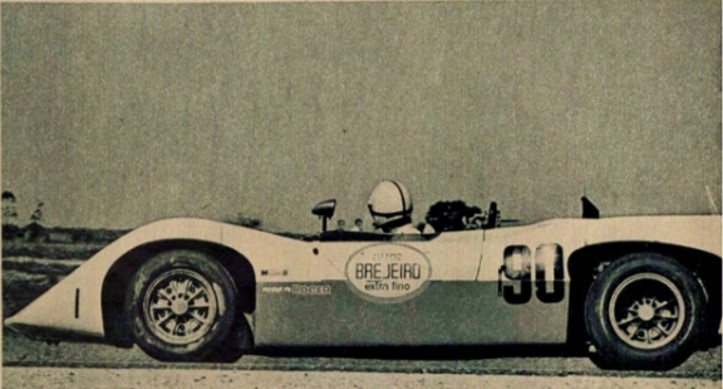
For the Valentine’s Day Race, held in Curitiba, on the outer ring of Curitiba. Again, the fastest car in practice was Francisco Lameirão’s AC (1m02s800), equipped with a 1900 engine prepared by Roger Resny, which despite the speed had an engine problem and did not participate in qualifying, starting from the last position on the grid. Following him was Wilson Fittipaldi’s AC with a time of 1m05s600, which, in the week between the Guanabara and Curitiba races, received an engine enlarged to 1750 cm³ and two Weber 46 carburetors, had its oil cooler repositioned to the front, and was the only one equipped with 15” wheels. Fritz Jordan’s AC remained unchanged in this race, being the slowest of the three in practice (1m06s100). In the race, Lameirão’s car crossed the first lap in 15th position, recovering 7 positions, while Fittipaldi and Jordan crossed the first lap in seventh and eighth positions, respectively. With 20 laps completed, Lameirão was already in second position, ahead of Camilo Christofaro’s Carretera, but a pit stop to check the float of one of the carburetors dropped him to 10th position overall, followed by Wilson Fittipaldi in 12th. position.
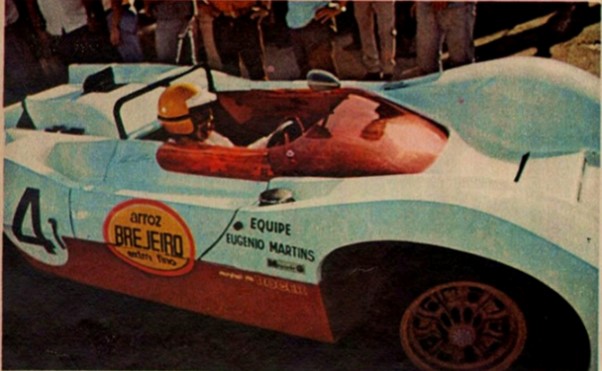
The AC prototype of Olavo Pires and Jorge Pappas achieved fourth place in the 500 Kilometers of Salvador, the second stage of the Brazilian Touring Car Championship. The AC 1900 of Eugênio Martins’ team was sold to the Minas Gerais-based Carbel team, being used by Marcelo Campos in the 100 Miles of Independence, held at the Mineirão circuit. Equipped with a periscope-style air intake, the AC was a favorite against the local competition present in the race, but it retired on the second lap with problems in the fuel pump.
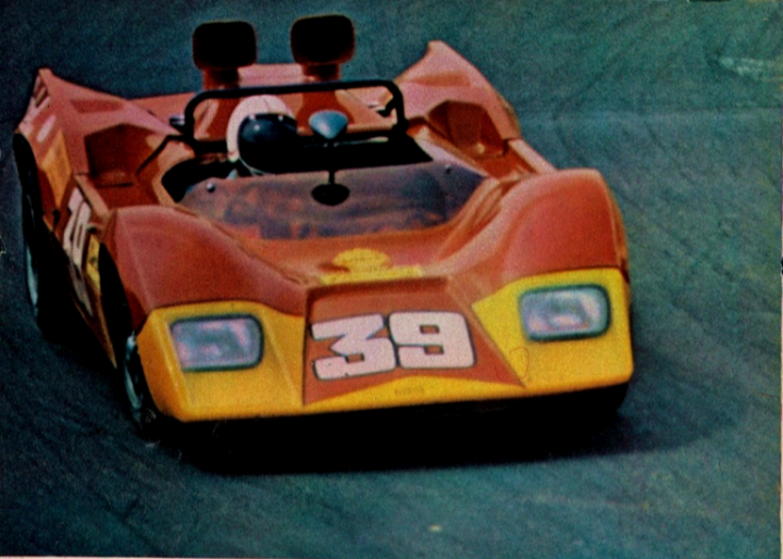
The third round of the Brazilian Touring Car Championship was then held at the Virgílio Távora Autodrome in Ceará. The so-called Northeast Grand Prix brought together competitors from all regions of the country, including the AC prototype driven by the Brasília-based duo Olavo Pires and Jorge Papas, who finished in 5th place overall.
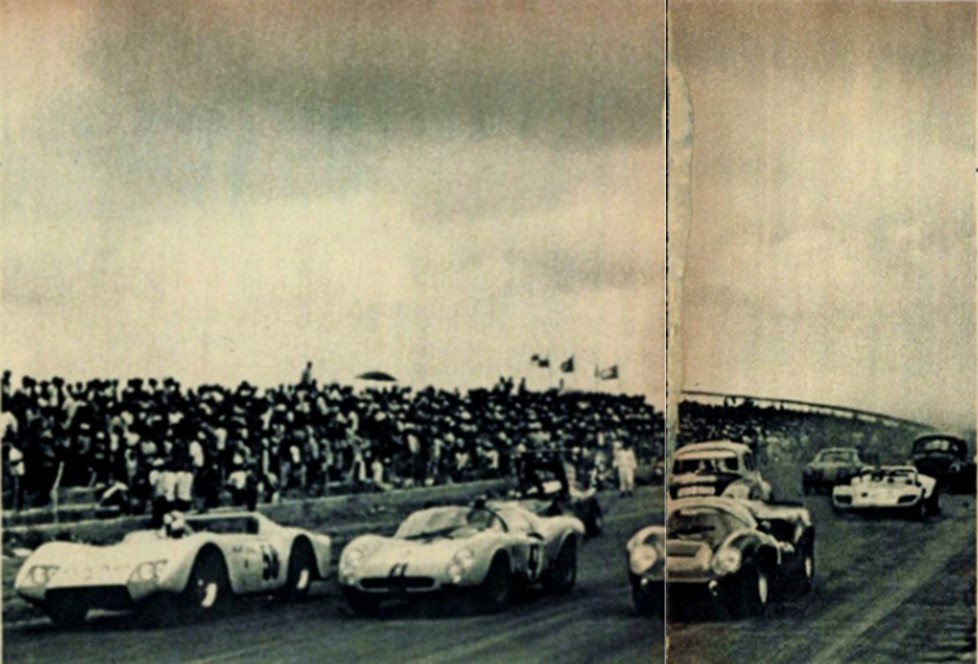
In the 1000 Kilometers of Guanabara, the fourth stage of the Brazilian championship, two AC prototypes competed: the AC 1600 of Fritz Jordan, prepared by Paulo Goulart and partnered with Alfredo Giorgi, and the AC1800 of the Retífica Brasília team of Pedro Victor Delamare and Olavo Pires. Jordan qualified his car in third place (1m38s4), behind only the Alfa 33 and the twin-engine Beetle of the Fittipaldi brothers, while De Lamare/Gorgi qualified their car in 7th position (1m42s). In the first 200 kilometers of the race, both AC prototypes remained among the top 5, however, both suffered problems that caused them to lose more than an hour in the pits shortly after the 200 km mark. Right after the race, Alfredo Giorgi bought the AC 1600 from Fritz Jordan.
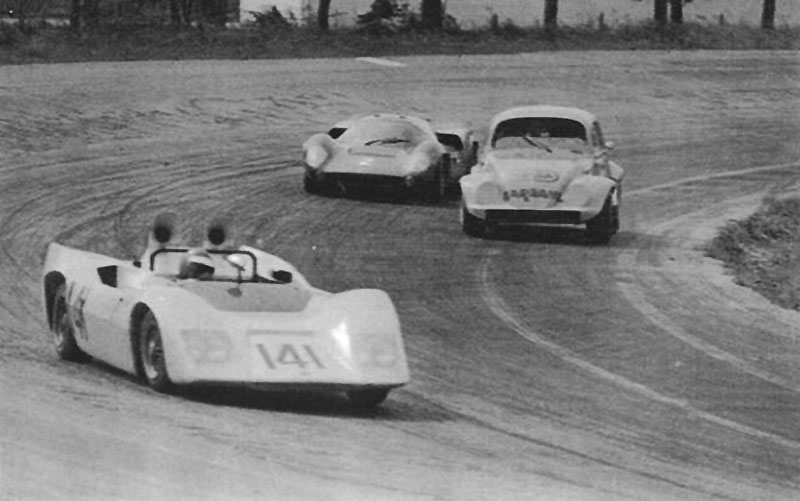
In the mid-1970s, Anísio Campos received the Victor award for best builder for the AC project, defeating Eduardo Celidonio (Snob’s), Ênio Garcia (Elgar), Marcelo Villar (Onça), Larens (Lorena) and Bica Votnamis (Caçador de Estrelas II).
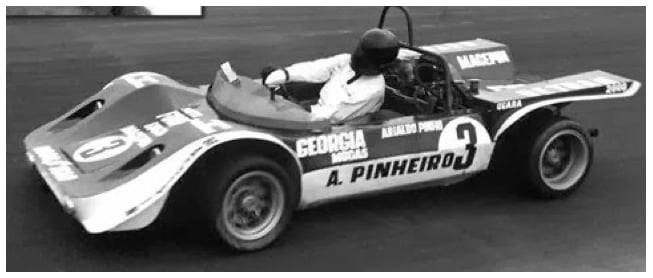
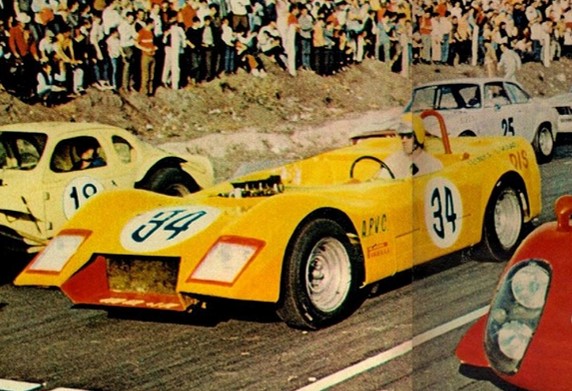
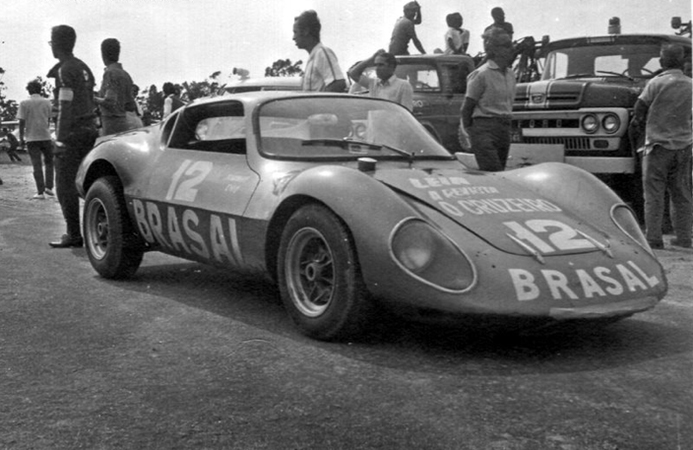
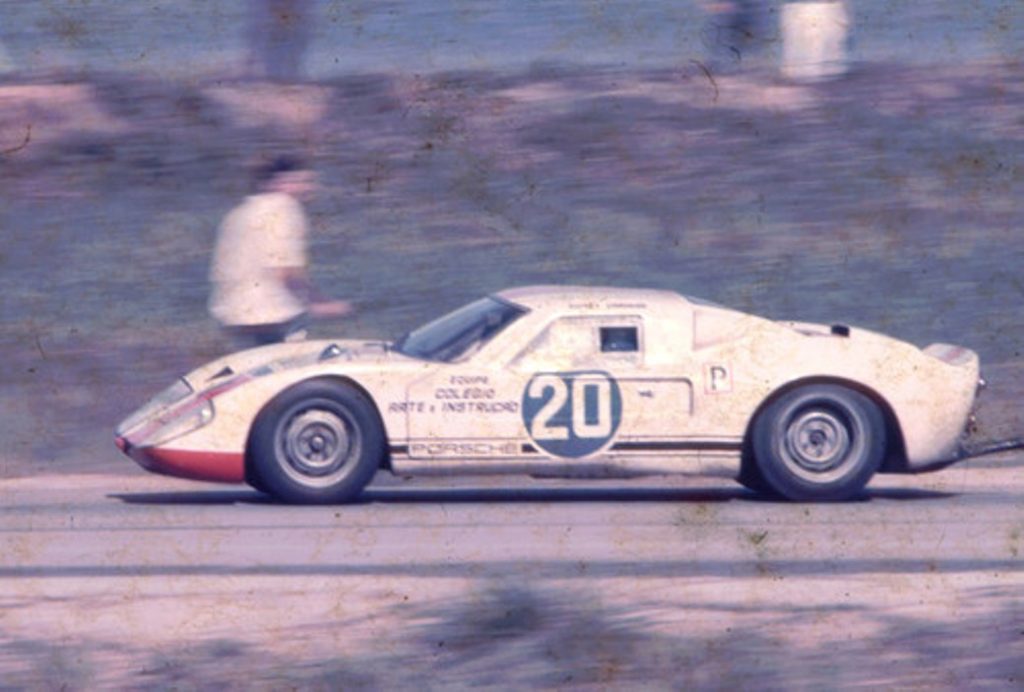
The 1970 season, marked by the disputes between Bino Mk II and Fúria, was a season of ostracism for the AC prototypes, with their only participation in a main race being the 500 Kilometers of Interlagos with Anísio Campos’ AC-Porsche, considered one of the favorites but who retired before the end of the race.
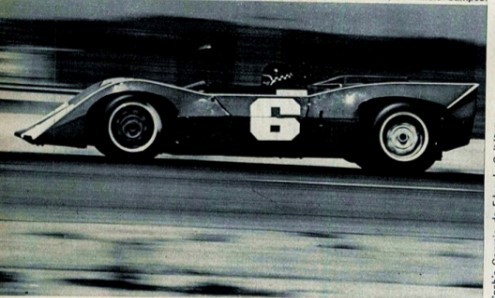
In 1970, two prototypes were also built with “borrowed” AC fairings: Norman Casari’s Casari A1 and the MC Porsche with a chassis built by Alexandre Herculano for Luís Masagão, Beto Coutinho Nogueira, Caetano Aliperti, Maurinho Moreira and Julinho Mesquita.
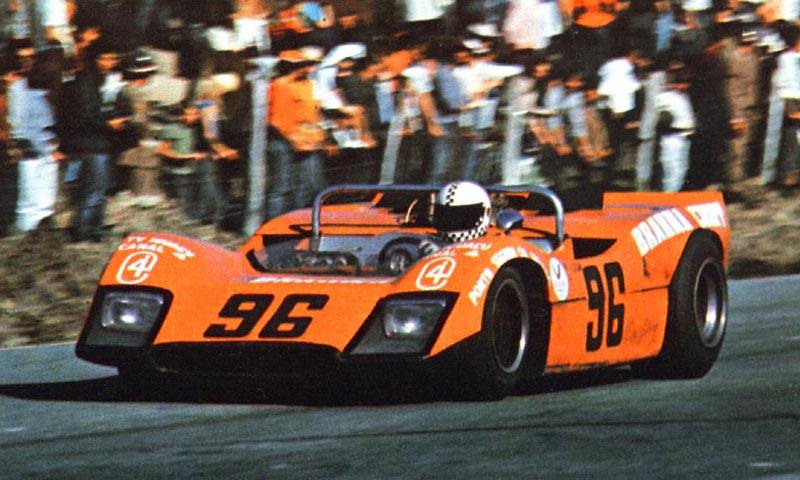
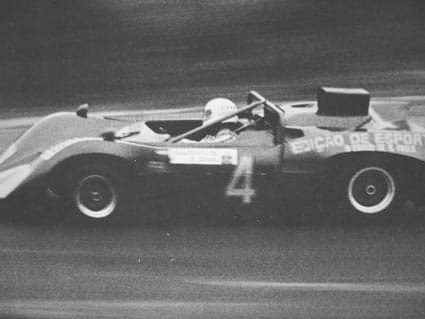
In 1971, the AC prototypes practically disappeared from the tracks, reappearing with some prominence only in 1972, with Mário Antunes’ 6th place overall in the Paraná Cup (8th place in the 1st heat and 7th in the second heat), the inauguration of the mixed track layout of the Curitiba Autodrome.
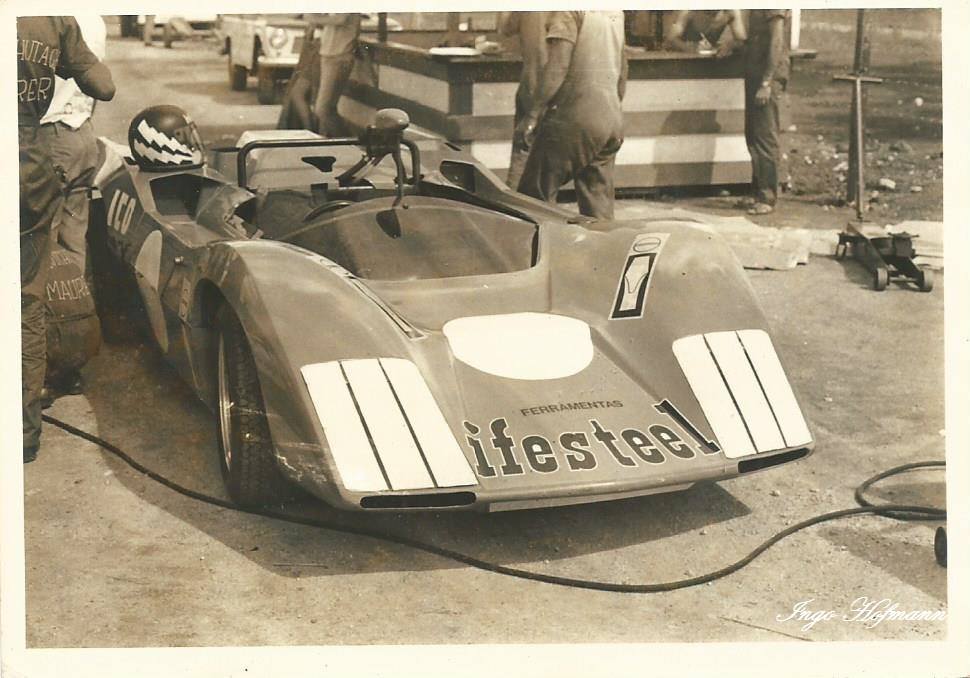
The return of the AC prototypes in 1972 was mainly due to the Brazilian National Sports Car Championship for Division 4 cars (Brazilian chassis and engine), held in conjunction with the Brazilian Sports Car Championship (which included cars from Divisions 4, 5 and 6). In the opening race, in Tarumã, Mário Mota achieved seventh place in the Sports Car race with his AC-VW 1700, a position he repeated in the aggregate of the two heats of the National Sports Car race.
At the Roaring Festival, held in Interlagos, Antônio Luís Meirelles achieved 5th place, also driving an AC-VW 1700.
In the second stage of the Brazilian National Sports Championship, held at Interlagos, two ACs participated: the ex-Lifesteel AC of Arthur Bragantino, who qualified in 3rd place overall (3m31s338), and another for Jaime Levy, who started in 14th position (6m45s853). In the first heat, Bragantino finished in third place overall, which, together with his fifth place in the second heat, secured him third place in the aggregate classification. Jaime Levy abandoned the first heat after only one lap and did not return for the second heat.
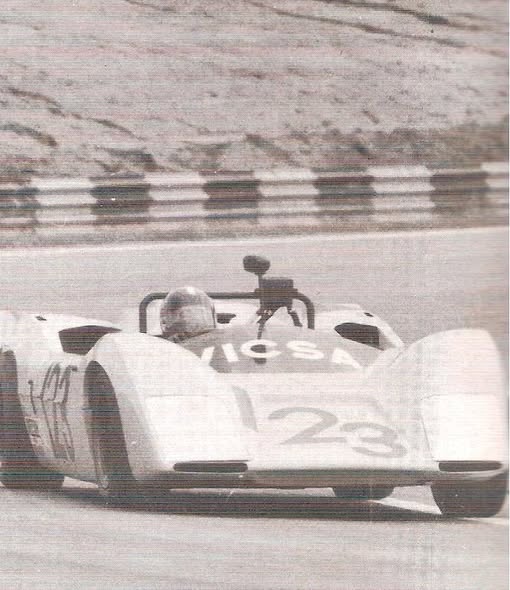
For the third stage, also held at Interlagos, the only AC was that of Mário Antunes, registered for both the Brazilian Sports Car Championship and the Division 4 race. In the Brazilian Sports Car Championship, he started in tenth position, sixth among the Division 4 cars (3m58s4), finishing the race in thirteenth, and in ninth position among the Division 4 cars.
In the 1973 season, cars from Divisions 5 and 6 were banned from competing, leaving Division 4 as the main prototype class in Brazil, with regulations divided into engine sizes up to and above 2 liters. In the up to 2-liter class, models like Manta, Heve, and Polar began to gain popularity, which did not prevent José Figueiredo from bringing an already old AC to the fourth and fifth rounds of the Brazilian Constructors’ Championship, held at Interlagos and also valid for the São Paulo Division 4 Championship. In the first race, held on June 10th, he did not set a time in qualifying, starting in 25th position on the grid, and finishing both heats in 14th place, achieving 11th position in the up to 2-liter class. In the fifth round of the Brazilian Championship, held on June 24th, he qualified 17th with a time of 3m55s570, but did not start in either heat of the race.
Also at Interlagos, the sixth round of the Brazilian Championship and the third round of the São Paulo Division 4 Championship were held on September 2nd, with the participation of José Figueiredo and his AC-VW. Figueiredo qualified in 13th position, with a time of 4m35s612, and finished the first heat in 11th position and the second in thirteenth.
The last appearance of an AC in national competitions took place in the eighth round of the 1972 Brazilian Division 4 Championship, which also counted as the fourth round of the Paulista Championship, with the driver identified as Murruga, who qualified an AC in fourteenth place overall (4m10s450), completing the first 25-lap race in ninth position and not even starting the second.
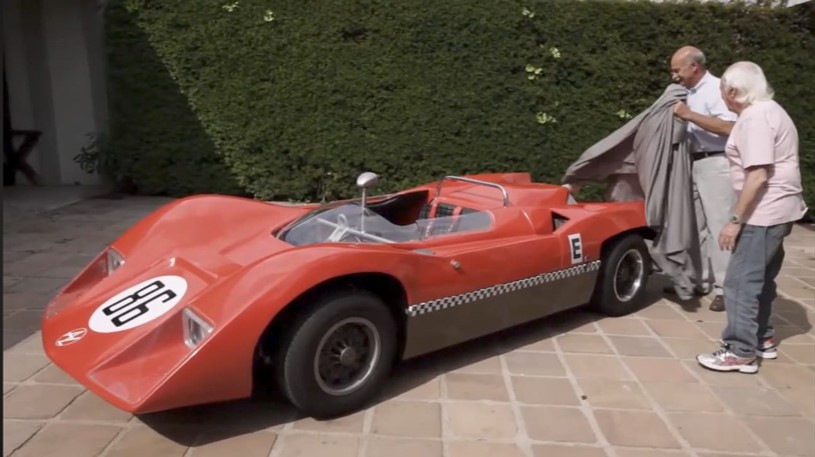
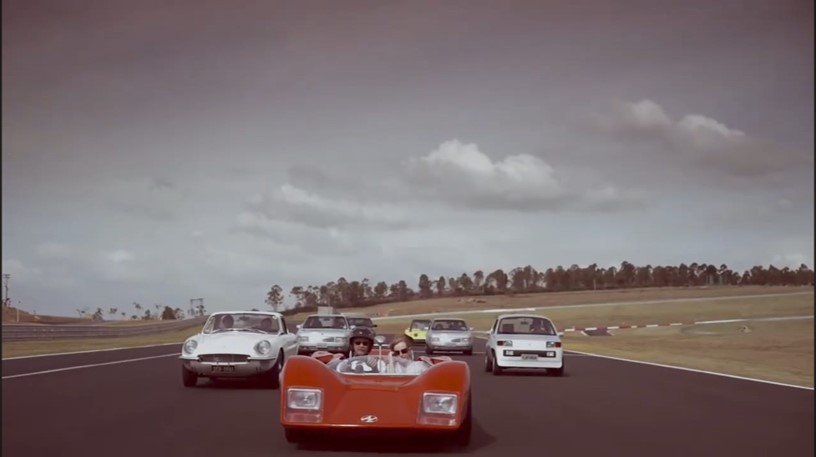
Currently, the whereabouts of only one of the AC prototypes is known, having been restored by Cláudio Mader and featured in the documentary Homem Carro, directed by Raquel Valadares, Anísio’s daughter, as a tribute to her father’s legacy.
Sources:
O AC Puma nas pistas. Revista Quatro Rodas, number 104, March 1969.
Curitiba. Landi e Zambello vencem. Revista Quatro Rodas, number 105, April 1969.
Brasília, uma grande largada para o brasileiro. Revista Quatro Rodas, number 106, May 1969.
Guanabara. Lá vai o “Môco”, tranquilo em sua Alfa. Revista Quatro Rodas, number 109, August 1969
Outro piloto, o mesmo carro, outra vez a Alfa em Curitiba. Revista Quatro Rodas, number 109, August 1969.
Mineirão tem tarde de corrida. Revista Quatro Rodas, number 111, October 1969.
Ceará. Daqui saiu o campeão. Revista Quatro Rodas, number 112, November 1969.
AC-Porsche. Revista Quatro Rodas, number 111, October 1969.
1000 km em 9 horas. Guanabara. Revista Quatro Rodas, number 114, January 1970.
O encontro dos campeões. Revista Quatro Rodas, number 115, February 1970.
Receita de Luisinho para vencer o Fúria. Revista Quatro Rodas, number 123, October 1970.
A festa foi de Casari. Revista Quatro Rodas, number 142, May 1972.
Campeonato Brasileiro. Revista Quatro Rodas, number 143, June 1972
Festival de Roncos. Revista Quatro Rodas, number 143, June 1972.
Chulan é o líder na categoria esporte. Revista Quatro Rodas, number 148, November 1972.
O Campeonato de Luizinho. Revista Quatro Rodas, number 149, December 1972.
Construtores em Interlagos. Revista Quatro Rodas, number 156, July 1973.
Pedro Victor. Uma ultrapassagem arriscada para a vitória ser completa. Revista Quatro Rodas, number 159, October 1973.
Avallone: o 1º campeonato. Revista Quatro Rodas, number 160, November 1973.
Un Can-Am… Asi de Chiquito. Revista Corsa, June 1969.
You might also be interested in:
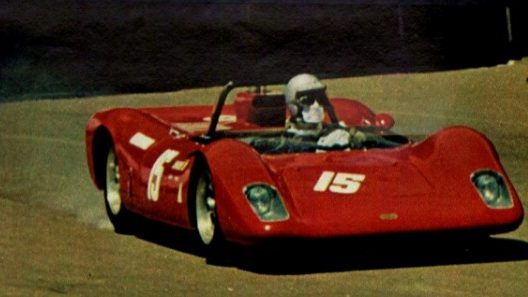
1970 Casari A1 230
Developed by Norman Casari without support or sponsorship, the Casari A1 was the first modern Brazilian prototype with a V8 engine.
1969 Snob’s MK I
After years of competing with modified road cars and other street vehicles, driver Eduardo Celidônio commissioned a purebred prototype from designer Ricardo Divila.