With the 2026 European Le Mans Series (ELMS) and Le Mans Cup season approaching, an inevitable question arises: who really came out on top in the debut of the new generation of LMP3 cars? In a scenario of renewed regulations and high expectations, the first results have begun to outline a hierarchy — but it is far from obvious at first glance.
Methodology
To go beyond superficial readings, we delved into the classification data and final results of each round of the Le Mans Cup — the only championship in which all four manufacturers competed regularly in 2025. First, we analyzed the lap time of the best car for each model in qualifying, normalizing to a base of 100% (100% representing the pole position for each race). We disregarded the two Road to Le Mans races from this analysis, as both qualifying sessions were not representative due to stoppages caused by accidents that occurred in both sessions.
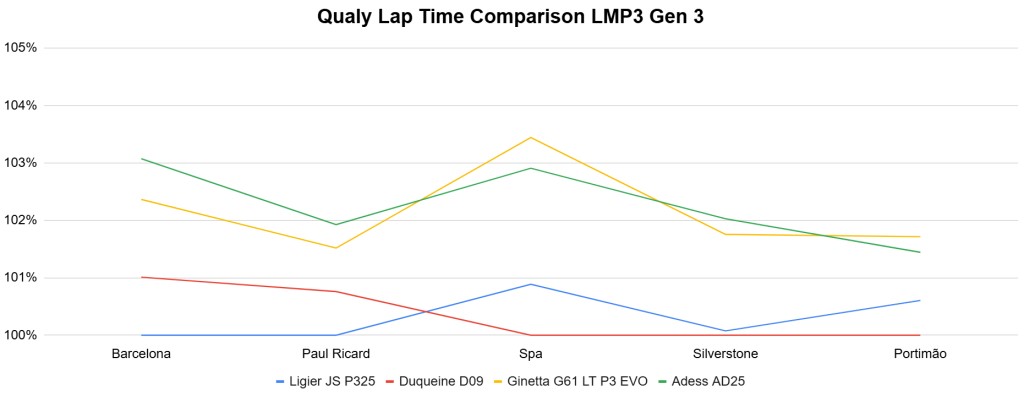
With these results, we established the average time of each car compared to the pole position time for each stage, resulting in the table below:
| Car | Average | Barcelona | Paul Ricard | Le Mans | Spa | Silverstone | Portimão |
|---|---|---|---|---|---|---|---|
| Ligier JS P325 | 100,31% | 100,00% | 100,00% | N/A | 100,89% | 100,08% | 100,61% |
| Duqueine D09 | 100,35% | 101,01% | 100,76% | N/A | 100,00% | 100,00% | 100,00% |
| Ginetta G61 LT P3 EVO | 102,16% | 102,36% | 101,52% | N/A | 103,44% | 101,76% | 101,72% |
| Adess AD25 | 102,28% | 103,07% | 101,93% | N/A | 102,91% | 102,03% | 101,44% |
For the results, we compiled a comparative table showing the overall standings of the best car in each Le Mans Cup race, resulting in the table below:
| Le Mans Cup Best Finishing Position | ||||
|---|---|---|---|---|
| Circuito | Ligier JS P325 | Duqueine D09 | Ginetta G61 LT P3 EVO | Adess AD25 |
| Barcelona | 1 | 6 | 16 | 34 |
| Paul Ricard | 1 | 5 | 11 | 25 |
| Road to Le Mans 1 | 1 | 2 | 18 | 36 |
| Road to Le Mans 2 | 1 | 2 | 9 | 21 |
| Spa | 2 | 1 | 21 | 15 |
| Silverstone | 2 | 1 | 13 | 23 |
| Portimão | 2 | 1 | 7 | 17 |
As a secondary source of reference, we also looked at the results in the overall ELMS ranking:
| ELMS Best Finishing Position | |||
|---|---|---|---|
| Circuito | Ligier JS P325 | Duqueine D09 | Ginetta G61 LT P3 EVO |
| Barcelona | 17 | 24 | DNF |
| Paul Ricard | 19 | DNF | 23 |
| Imola | 27 | 33 | 38 |
| Spa | 20 | 26 | 27 |
| Silverstone | 18 | DNF | 23 |
| Portimão | 16 | 24 | 18 |
Based on the data analysis, we arrived at the following ranking based on overall car performance:
1. Ligier JS P325
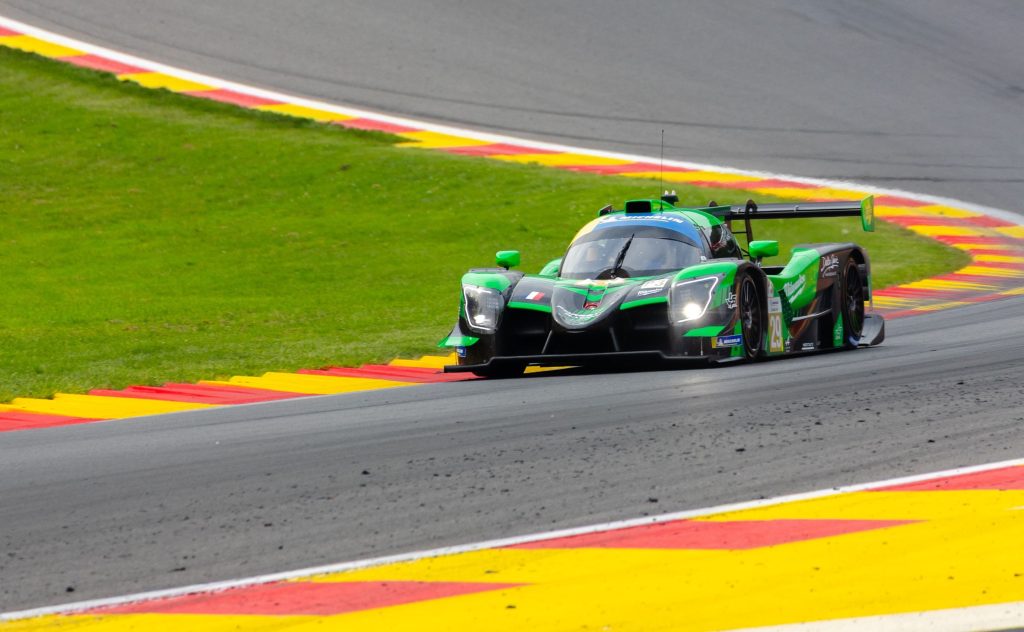
A benchmark in the modern LMP3 era, Ligier entered its third generation carrying the weight of favoritism — and, to a large extent, lived up to it. The JS P325 showed immediate competitiveness, especially in qualifying pace, opening up a clear advantage in the first two rounds. However, this initial superiority began to be challenged from Spa onwards, when rivals reacted (mainly the Duqueine of the R-ace GP team).
Nevertheless, its efficiency in racing guaranteed concrete results: victories in Barcelona, Paul Ricard, and both stages of the Road to Le Mans consolidated the French model as the benchmark of the category — although the leadership was built on details, not on absolute dominance.
2. Duqueine D09
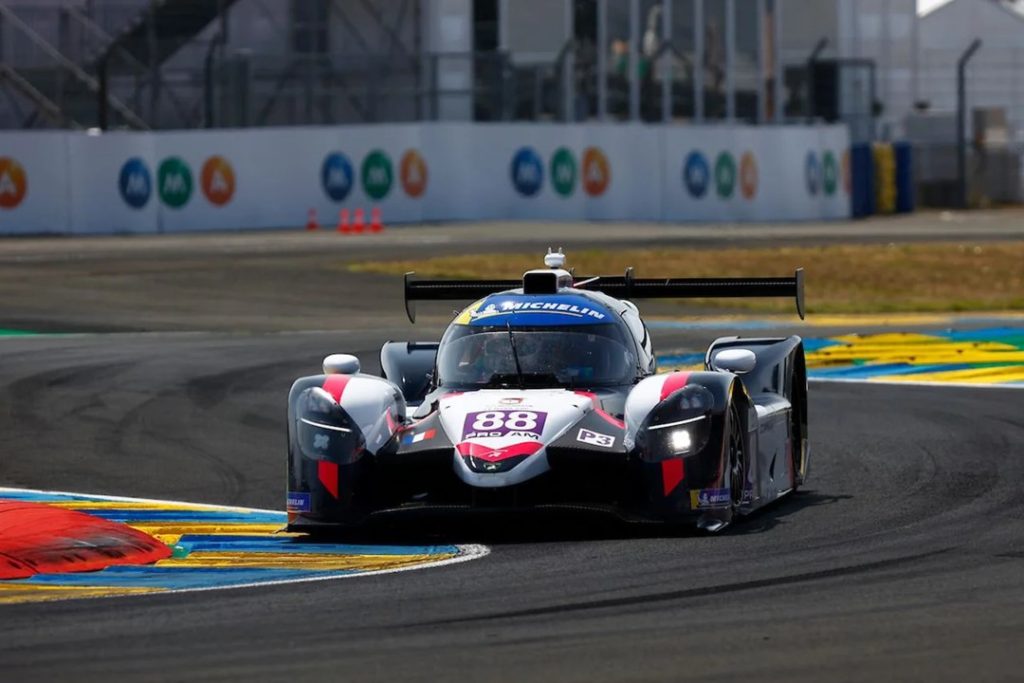
Ligier’s main historical challenger, Duqueine, maintained that role in the new generation. However, the D09’s debut was inconsistent: in the initial stages, the car showed a considerable deficit in qualifying, but consistent results with the R-ace GP team. The turning point came at Spa, marking a clear change in trend.
From then on, the D09 set the pace, consistently securing pole positions and victories. Although its race performance was on par with the Ligier in the second half of the championship, the resurgence solidified Duqueine as an equal force, guaranteeing the team and driver titles for R-ace GP. However, we consider that the D09 finished in a very close second place to the Ligier, and Ligier’s dominance in the ELMS, where the only Duqueine entered did not demonstrate the same performance, also weighed on our choice.
3. Ginetta G61-LT-P3-EVO
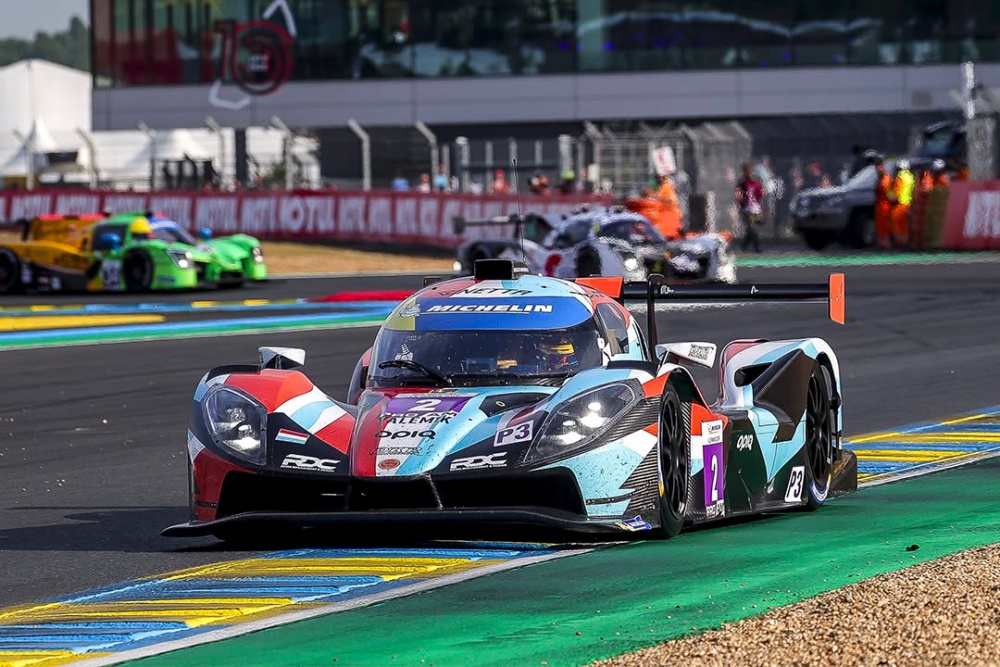
Returning to LMP3 after years of absence, Ginetta opted for a profound evolution of its previous concept. The start was predictably difficult: the G61-LT-P3-EVO couldn’t keep up with the pace of the French prototypes, especially in qualifying.
As the season progressed, however, there was progress. The car began to compete in the midfield and managed occasional top 10 finishes, including results at Le Mans and Portimão. Still far from the leaders, but already showing signs of consistent improvement.
4. Adess AD25
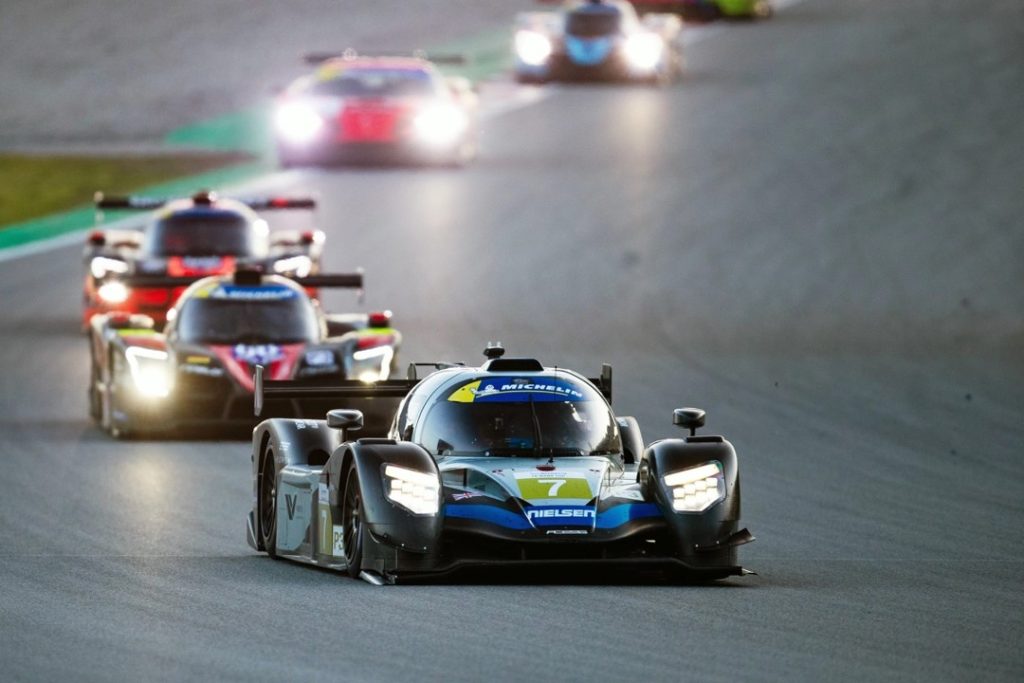
The return of Adess brought diversity to the grid, but also highlighted the challenge of competing in a highly consolidated environment. The AD25 had a difficult debut, underperforming its direct competitors in the first few rounds, even falling behind Ginetta in qualifying.
Throughout the championship, there was noticeable progress: the gap was reduced and, at specific moments — such as in Portimão — the prototype even managed to surpass direct rivals. In race pace, however, the results have not yet matched the progress in qualifying laps. The best result, a 15th place in Spa, indicates that the project still requires significant development to become consistently competitive.
Sources:
Le Mans Cup Timing Results. Available at: https://lemanscup.alkamelsystems.com/?season=09_2025.
ELMS Timing Results. Available at: https://elms.alkamelsystems.com/?season=20_2025.
Grids Set By Practice Results After Incident-Packed Qualifying. Available at: https://www.dailysportscar.com/2025/06/12/grids-set-by-practice-results-after-incident-packed-qualifying.html#:~:text=4%20of%20the%20Road%20to,Sport%20Ligier%20JS%20P325%20%E2%80%93%20Toyota.