We’re starting 2026 and once again the São Paulo City Grand Prix Mille Miglia will open the Brazilian motorsport calendar, in what is the seventh race since the resumption of the traditional São Paulo race (sixth under the current management), also marking the 70th anniversary of the race since its creation by Baron Wilson Fittipaldi and Eloy Gogliano in 1956. Starting at midnight on January 25th, according to the race organizers, 70 cars will compete, divided between prototypes, GTs and touring cars.

For 2026, the event also features a change in visual identity, no longer presenting the Chevrolet Absoluta dealership network as a “Title Sponsor,” but continuing as one of the official sponsors of the event, in addition to participating in the race with the traditional ABS01 prototype.
In addition to the race, the event adopts a festival concept with several other attractions:
- Camping at the Racetrack: The public will be able to camp inside Interlagos during the 4 days of the event. A total immersion for those who want to experience the atmosphere of the pits from free practice to the checkered flag.
- 1000 Miles Museum in the Paddock: A journey through time. The Paddock will host an exclusive exhibition featuring historic cars that won the race in past decades, trophies, and memorabilia from great names like the Fittipaldi, Pace, and Giaffone families.
- 1000 Miles Virtual: The convergence with e-Sports. State-of-the-art simulators will allow fans to test their skills on the Interlagos track, competing in real time in a digital version of the race.
Another piece of news released by the organization is the holding of a preliminary 500-mile race for cars in the Turismo 1.4 class as a way to prepare new drivers, with a prize of R$ 100,000 for the race champions.
Classes do Grande Prêmio Cidade de São Paulo 1.000 Milhas
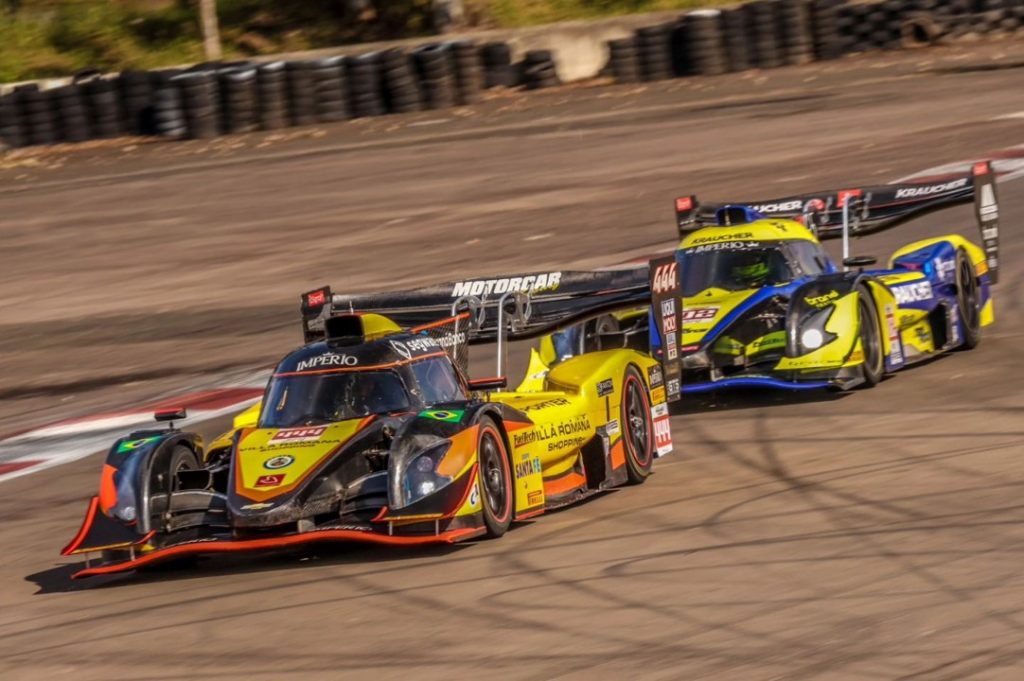
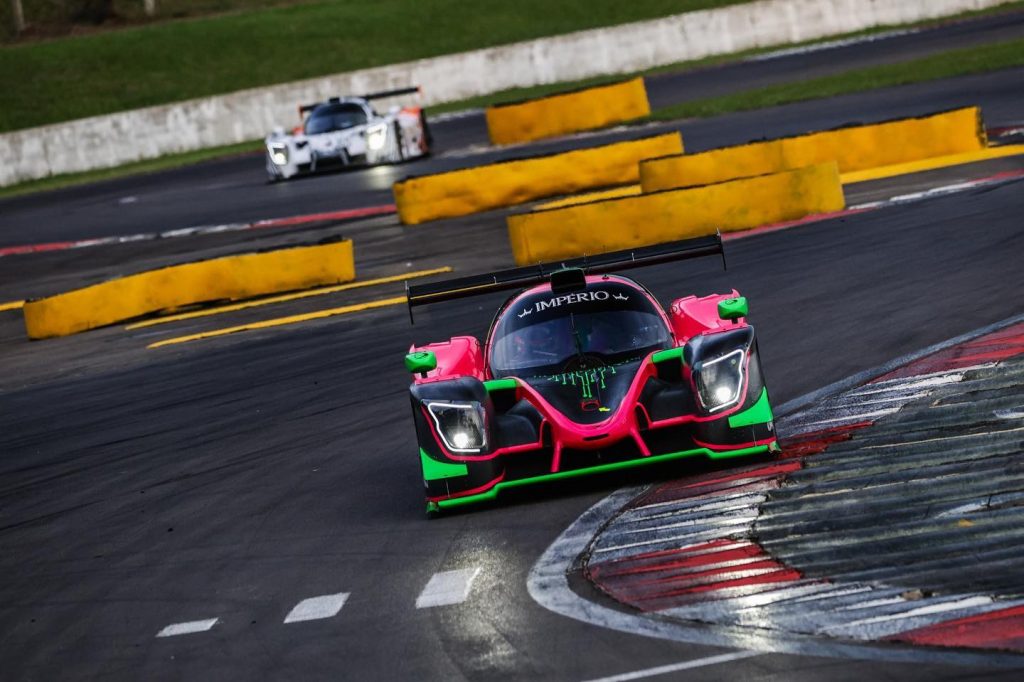
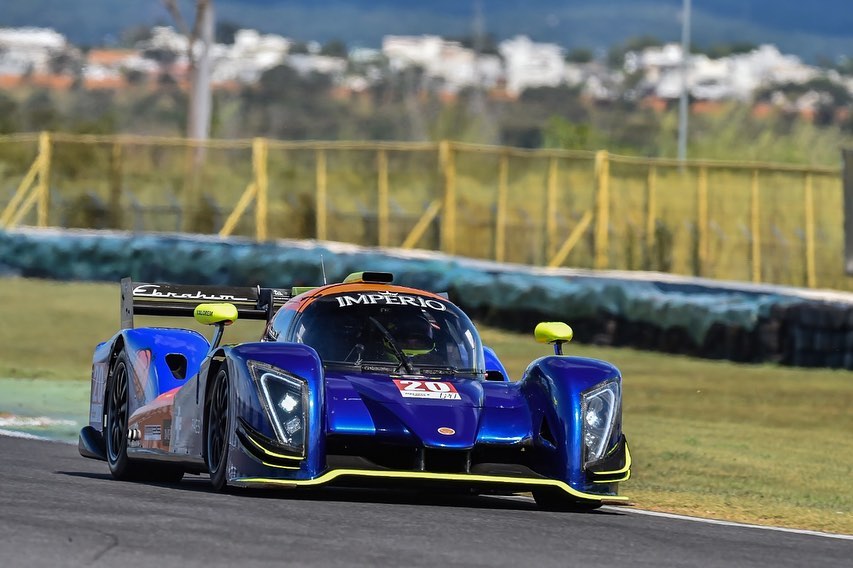
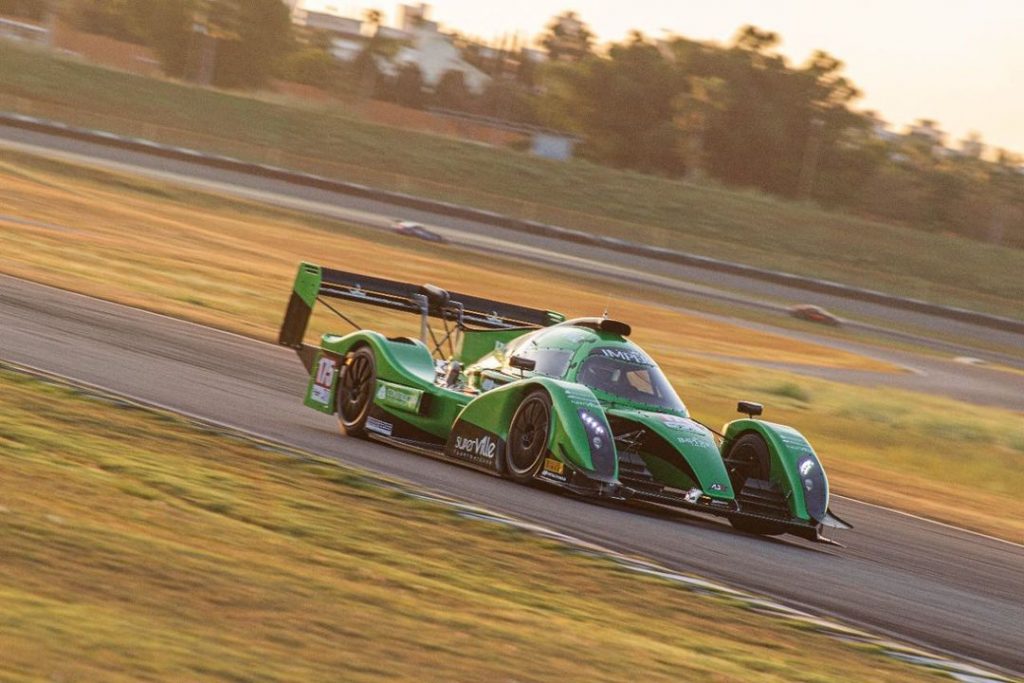
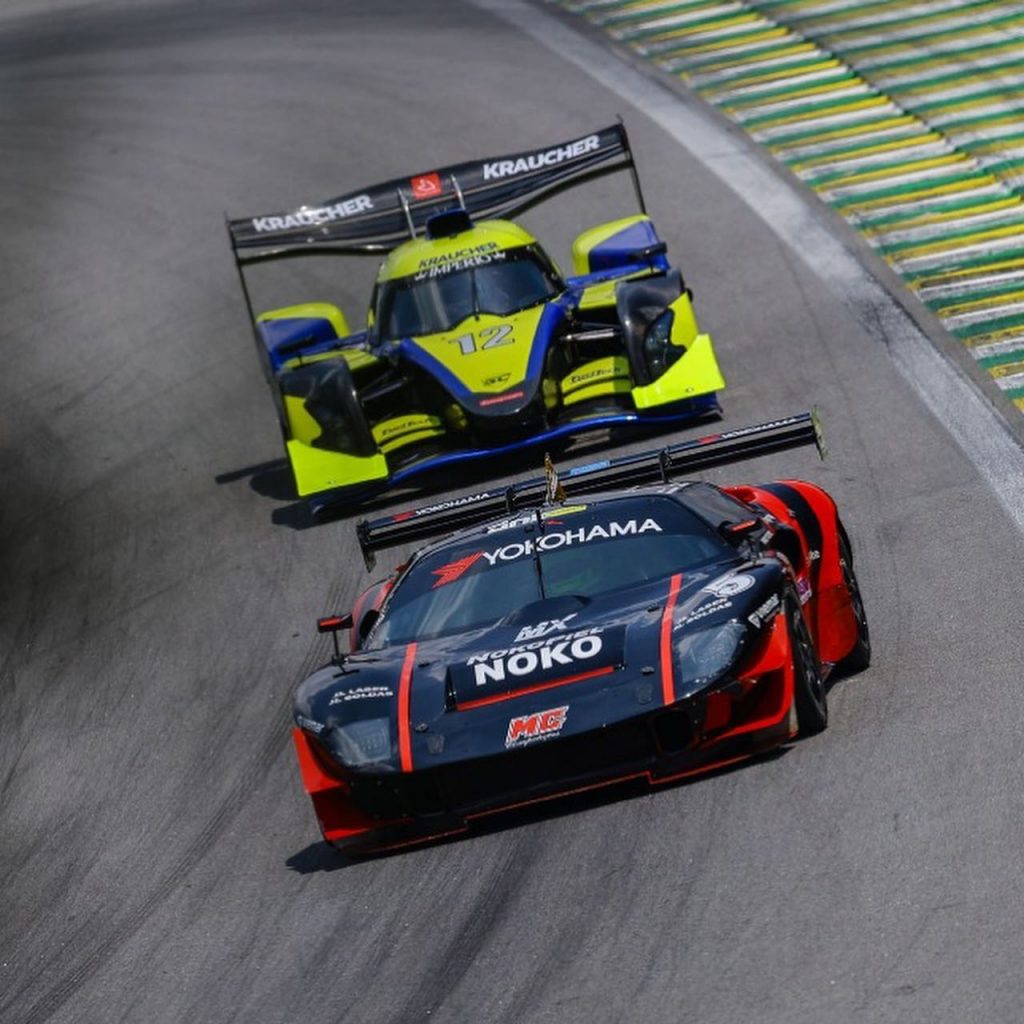
P1 – The P1 class is the fastest in Brazilian motorsport, and the 1,000 Miles race follows the Endurance Brasil regulations (not to be confused with the P1 class of the Gaúcho Endurance Championship – which follows different regulations). It allows domestically manufactured prototypes such as the Metalmoro JLM AJR and Sigma P1, as well as “improved” FIA LMP3 prototypes like the Ginetta G57 P2/G58 and Ligier JSP320 Track Day Edition, with permitted traction control, ABS, and even a movable wing. Estimated lap time: 1m26s-1m32s.
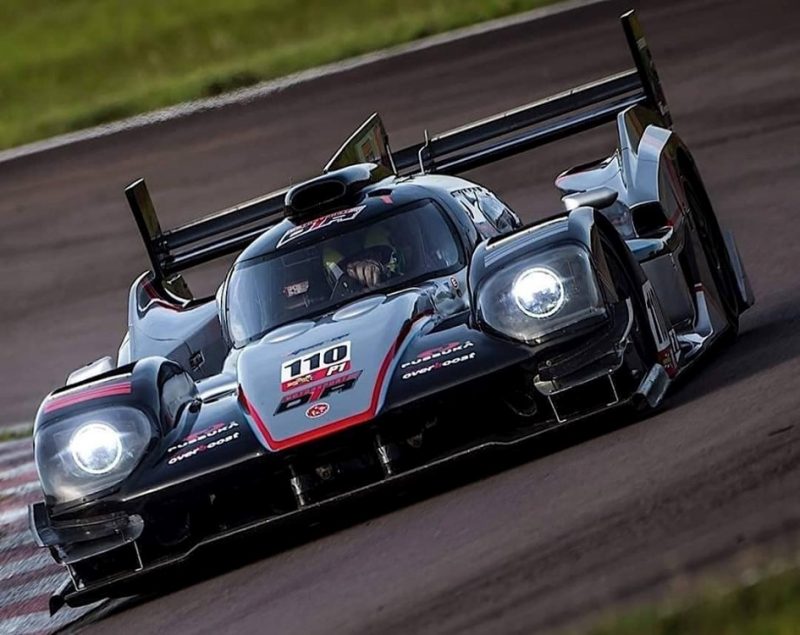
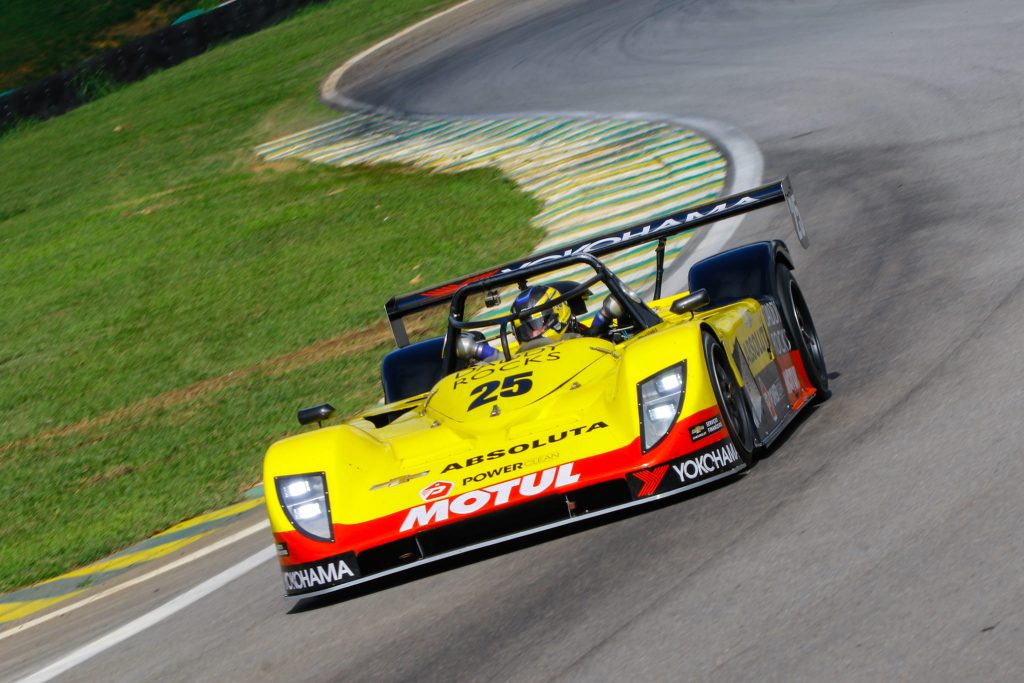
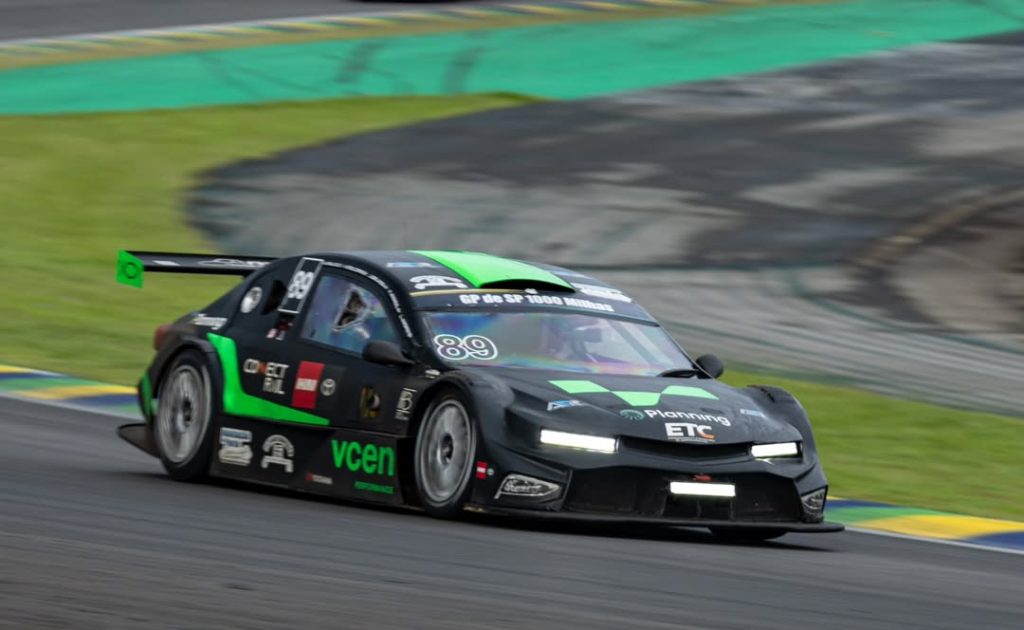

P2 – The P2 class was originally created to accommodate the old GP1 class cars from Endurance Brasil, such as the MCR Grand Am and the MRX Turbo, which were no longer competitive against newer prototypes like the AJR, Sigma, and Ligier. Recently, new specifications for the AJR and Sigma prototypes were developed to revitalize the class, with reduced power and aerodynamic simplifications such as the elimination of the movable wing and a reduction in the number of elements in the front and rear wings. Cars like the ABS01 from Absoluta Racing, the DTR01, Giaffone G21, and the Sigma P1 G5 Evo, which will compete in the new Sport Protótipo Brasil category from 2026, can also be classified in P2. Estimated lap time: 1m34s-1m40s
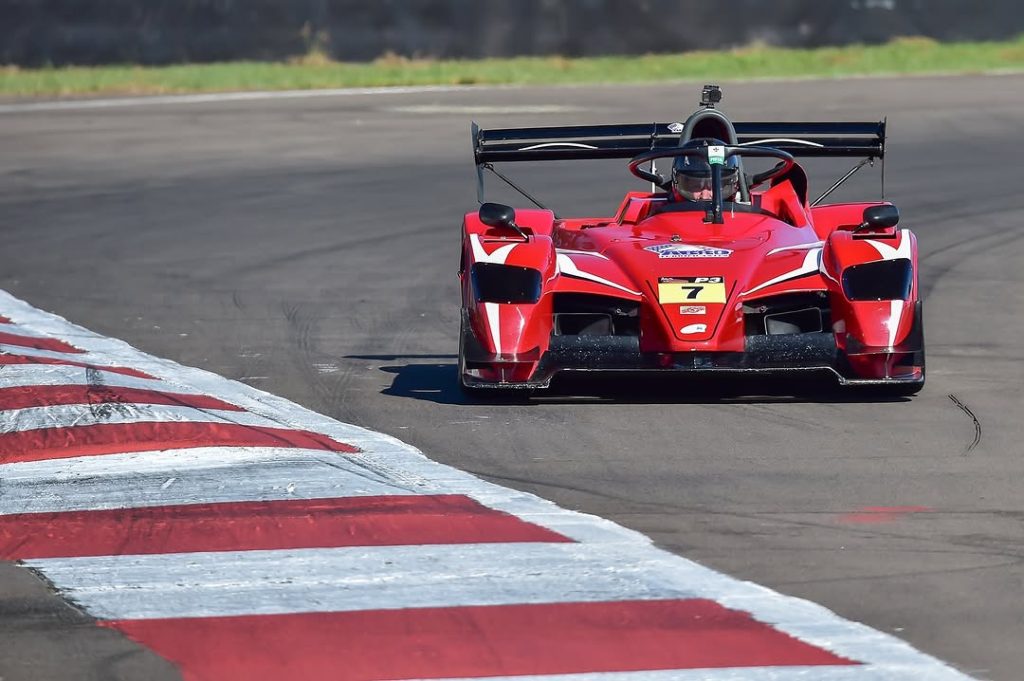
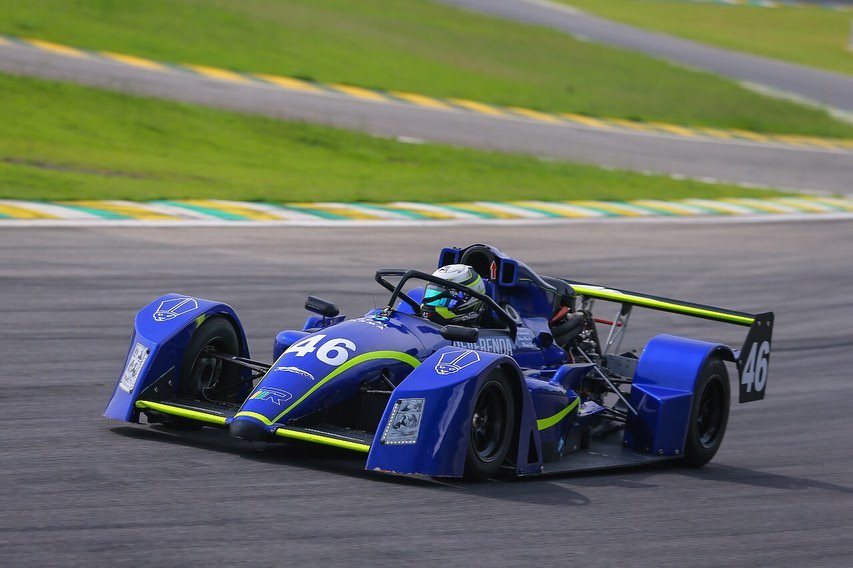
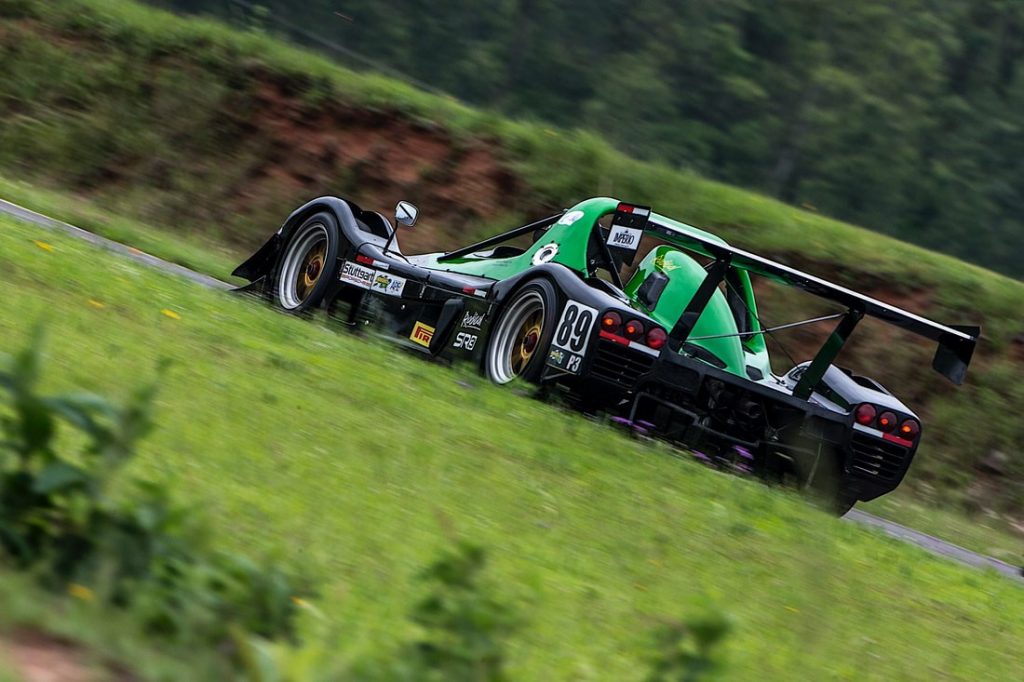
P3 – The P3 class is reserved for prototypes with naturally aspirated multi-valve engines up to 2,400 cc. This category includes cars such as the Metalmoro MRX and some Aldee Spyder models, as well as prototypes with Hayabusa engines like the Radical SR3, Tornado, and Roco 001. These cars are slower, but strong contenders for a top 10 finish in the race. Estimated lap time: 1m37s – 1m45s.
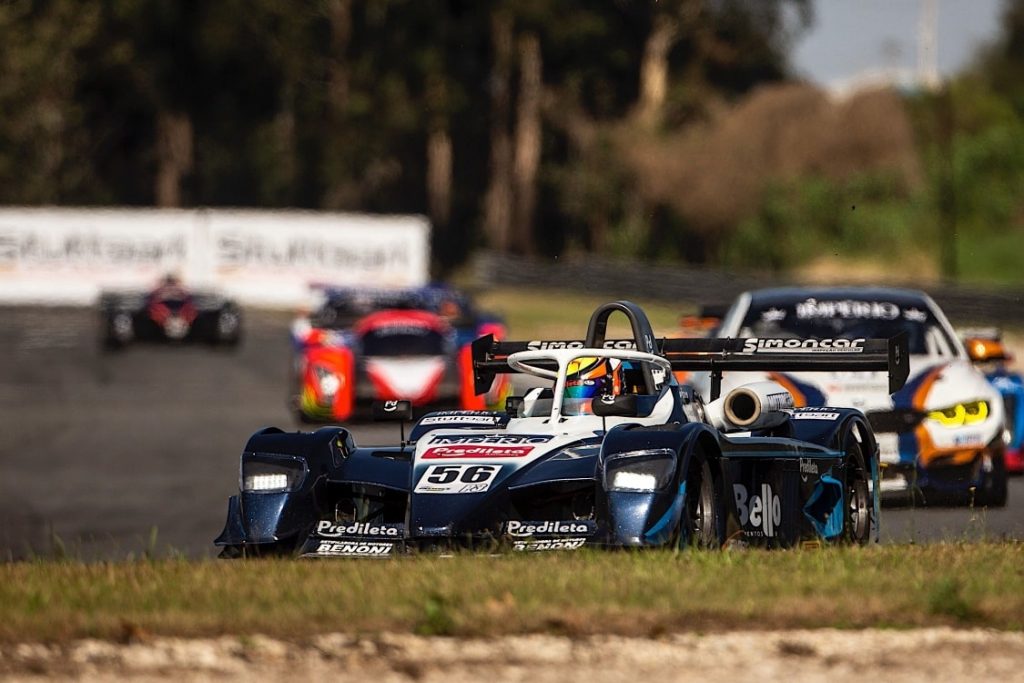
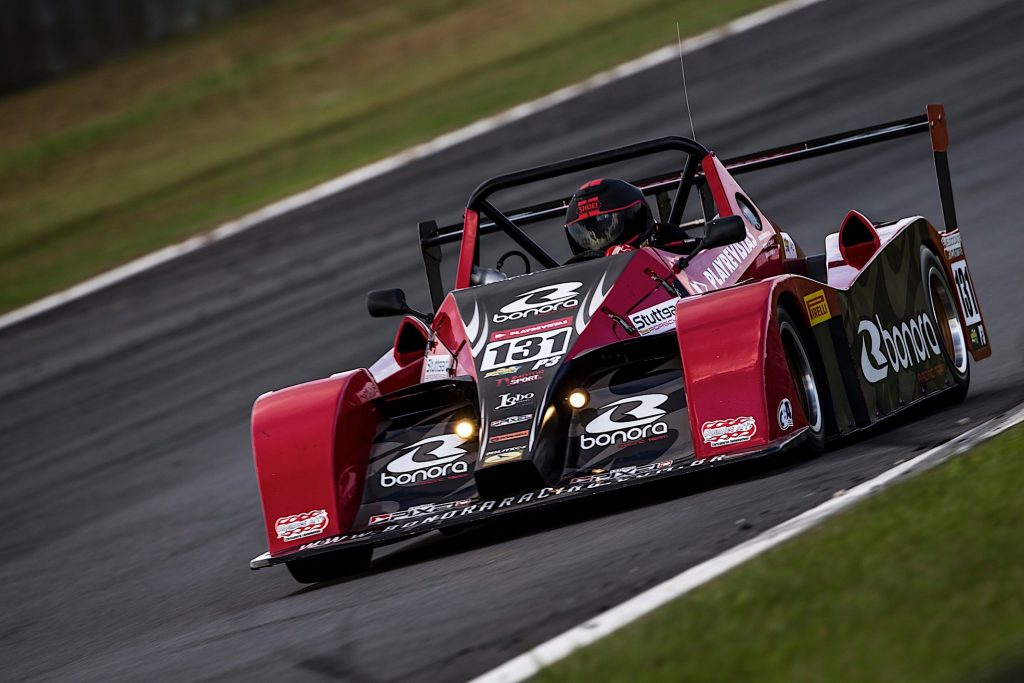
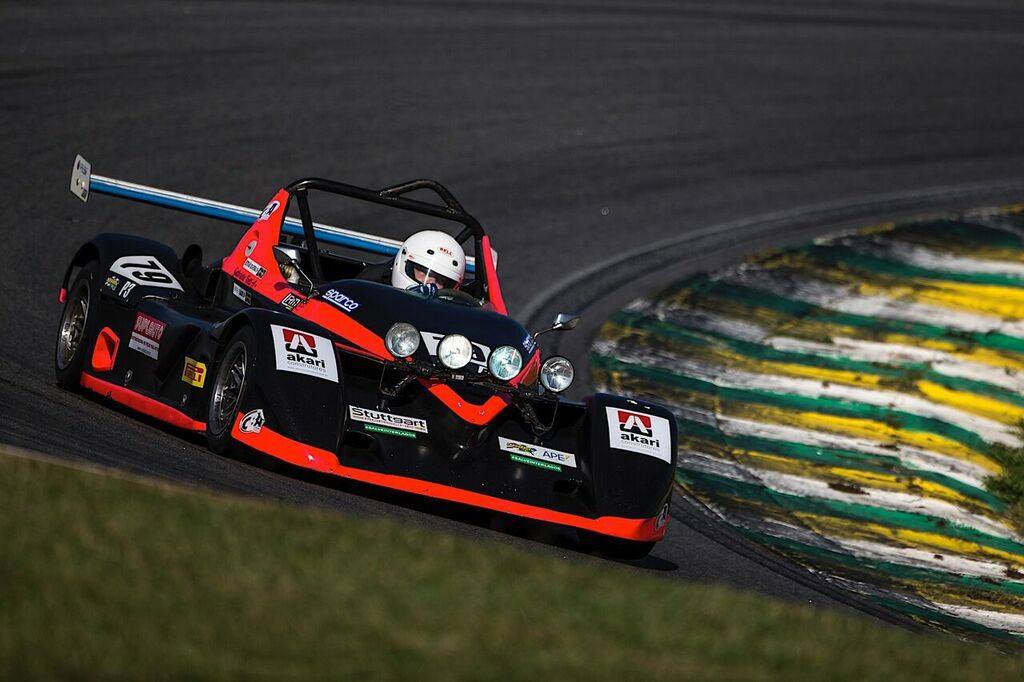
P4 – The P4 class is for prototypes with naturally aspirated engines up to 2,400 cc with two valves per cylinder, and is contested by Aldee Spyder and MRX prototypes. Estimated lap time: 1m41s – 2m00s.
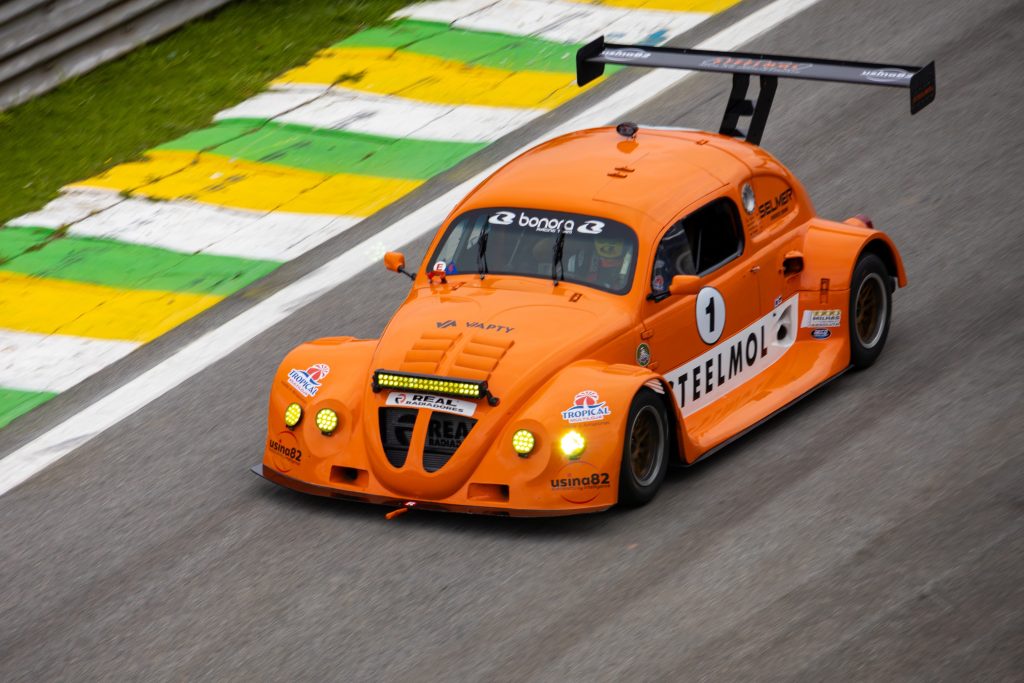
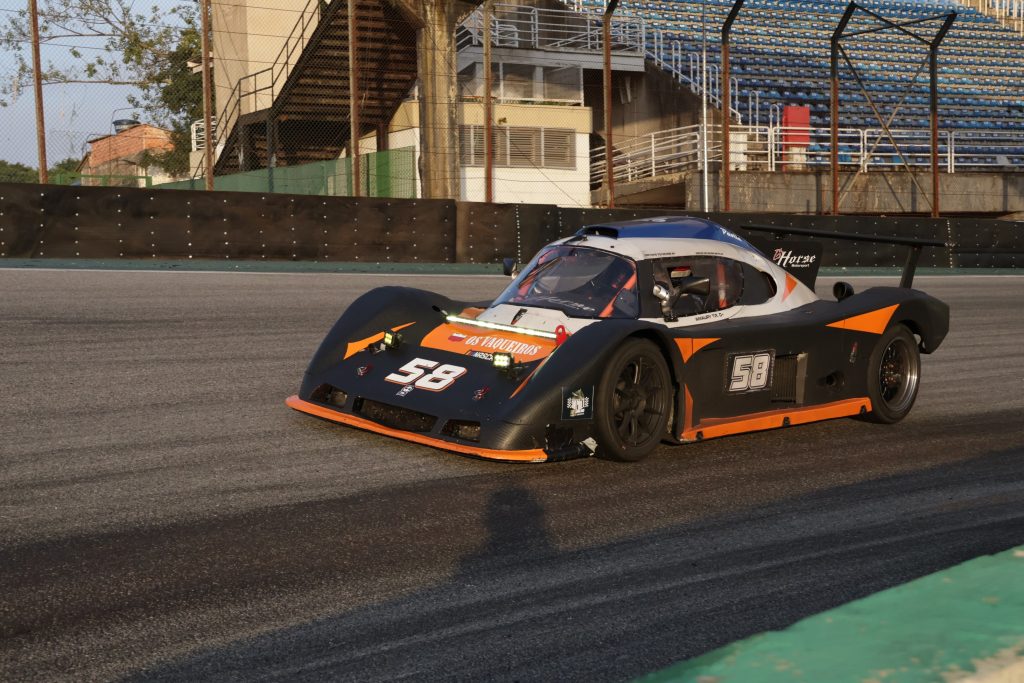
PN1A – The PN1A class is specific to the 1000 Miles of Brazil, reserved for national prototypes with naturally aspirated engines between 1,601 and 2,100 cm³, 8 valves. It differs from the P4 mainly by its higher minimum weight. Among the potential competitors are the Aldee Coupe, Spirit AR3, and Rodrigo Bonora’s Fuspyder. Estimated lap time: 1m45s – 2m05s.
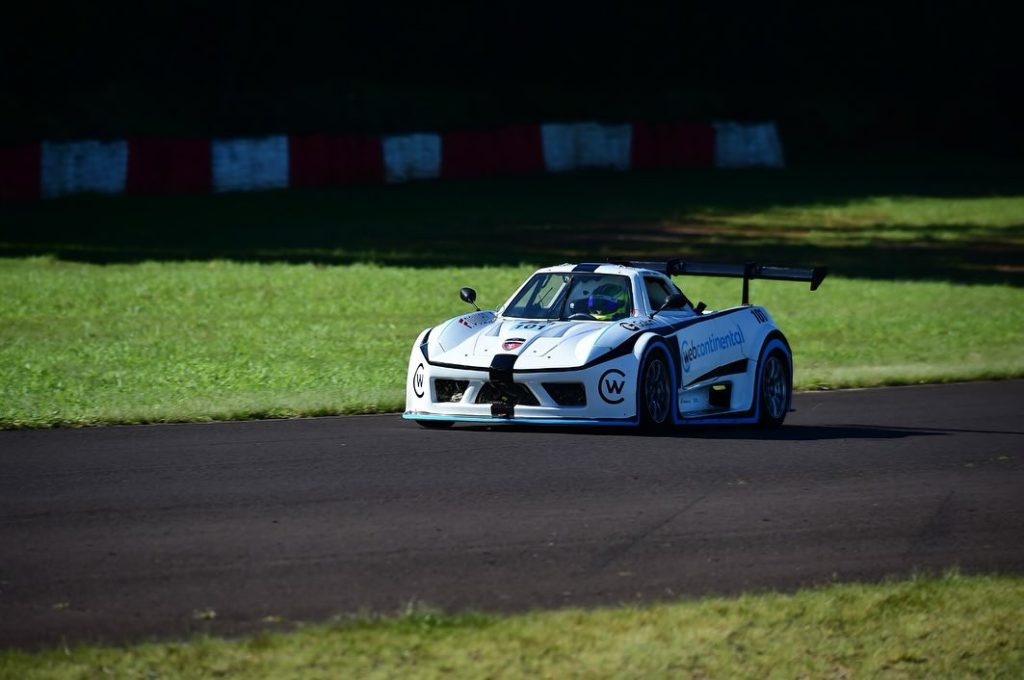
PN1 – The PN1 class is specific to the 1000 Miles of Brazil, reserved for national prototypes with engines up to 1,600 cc. Potential competitors include prototypes such as Spirit and Vettore. Estimated lap time: 1m55s – 2m10s.
PN2A – Class for national prototypes with engines between 1,600 and 2,100 cc, 8 valves and turbocharged, with a minimum weight of 700 kg. It can include cars such as the Aldee Coupé and Spyder prototypes with turbocharged engines. Estimated lap time: 1m40s – 1m50s.
PN2 – Class for national prototypes with engines up to 1.6 8V turbocharged, with a minimum weight of 700 kg. It can include cars such as the Aldee Coupé and Spyder prototypes with turbocharged engines. Estimated lap time: 1m40s – 1m50s.
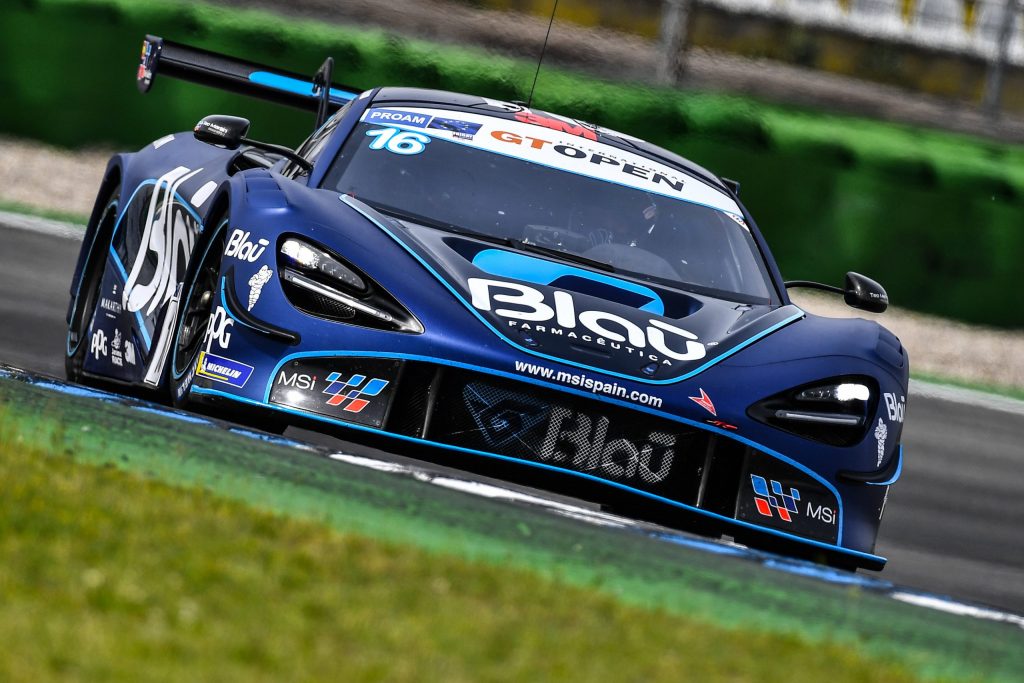
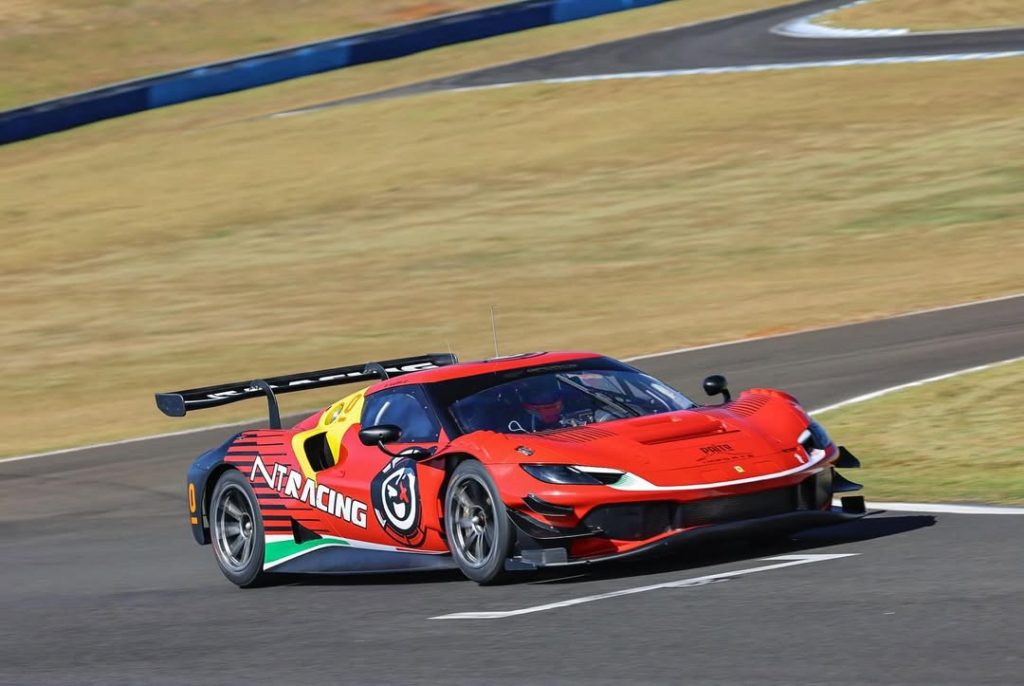
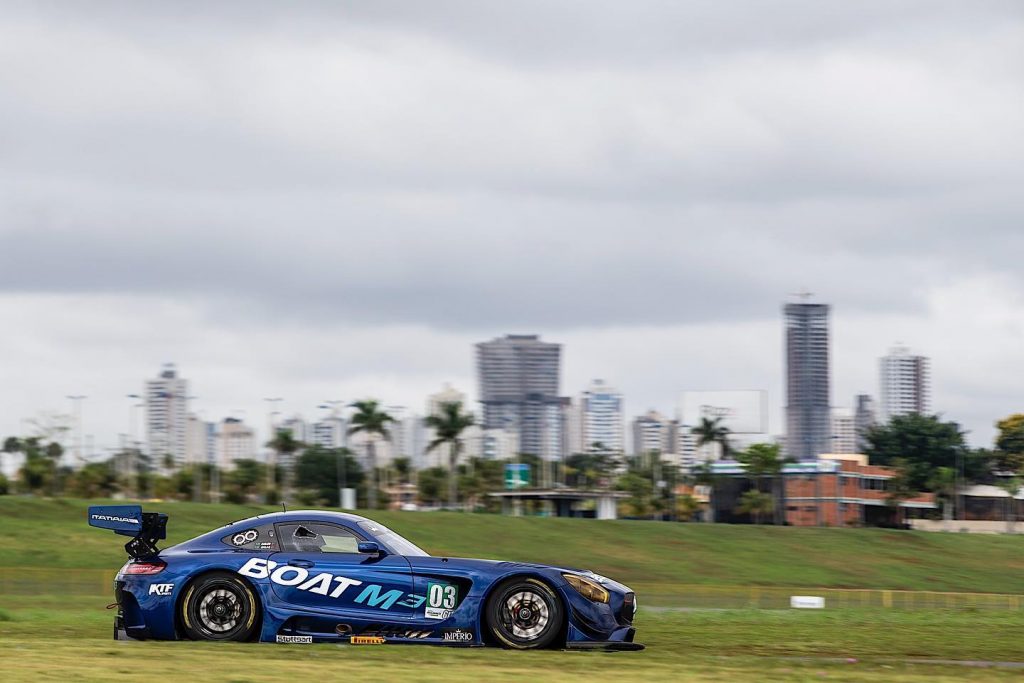
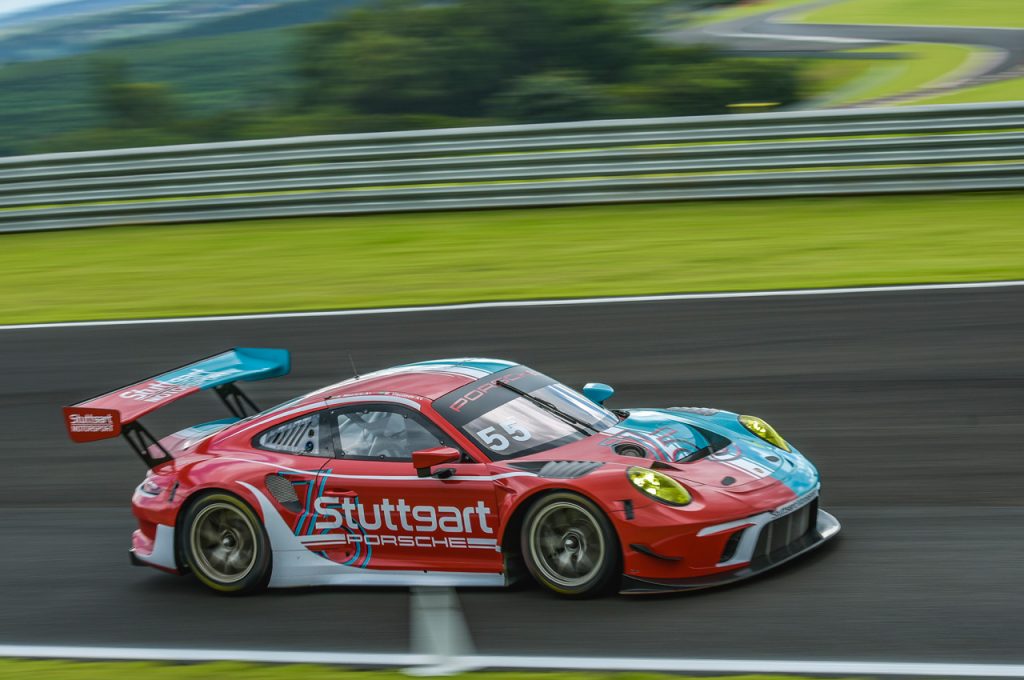
GT3 – In the GT3 class, cars homologated under the FIA GT3 regulations compete, a standard used internationally in traditional races such as the 24 Hours of Spa and the 12 Hours of Bathurst. Models competing in the Brazilian Endurance series are expected to participate, including the Ferrari 296, Lamborghini Huracán, Mercedes AMG, Porsche 911, McLaren 720S, and possibly the Lamborghini Huracán Super Trofeo. Estimated lap time: 1m30s – 1m34s.
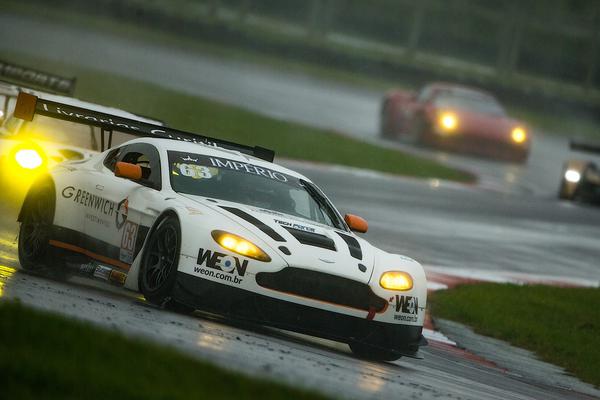
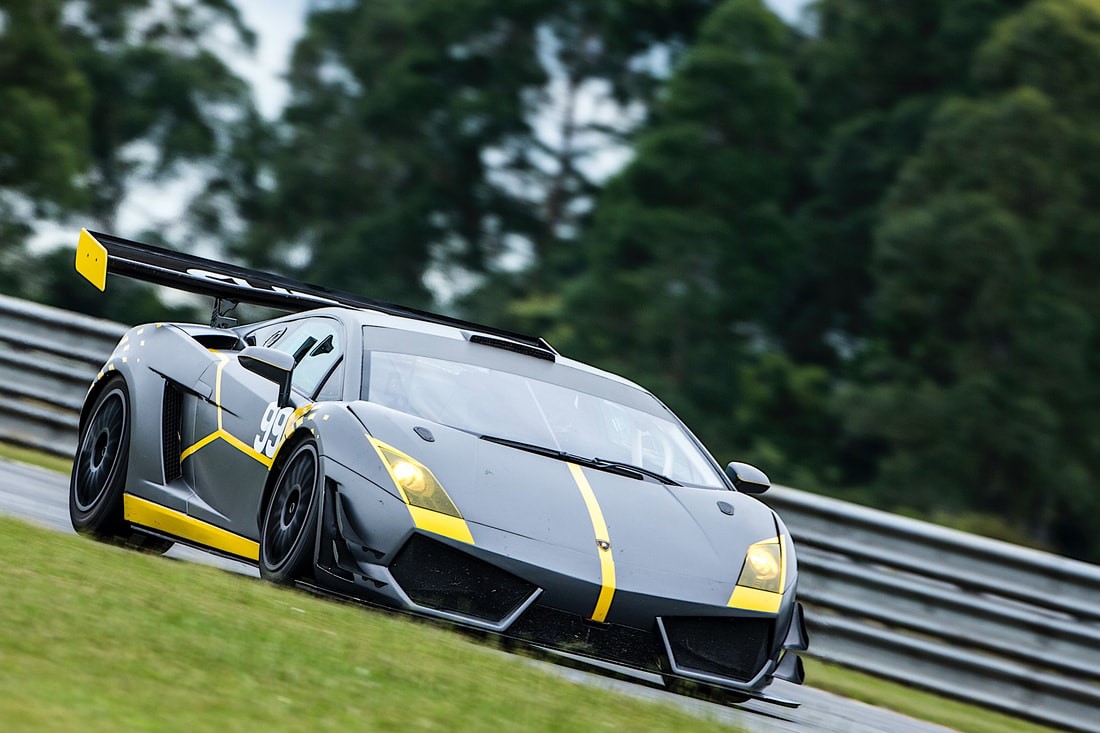
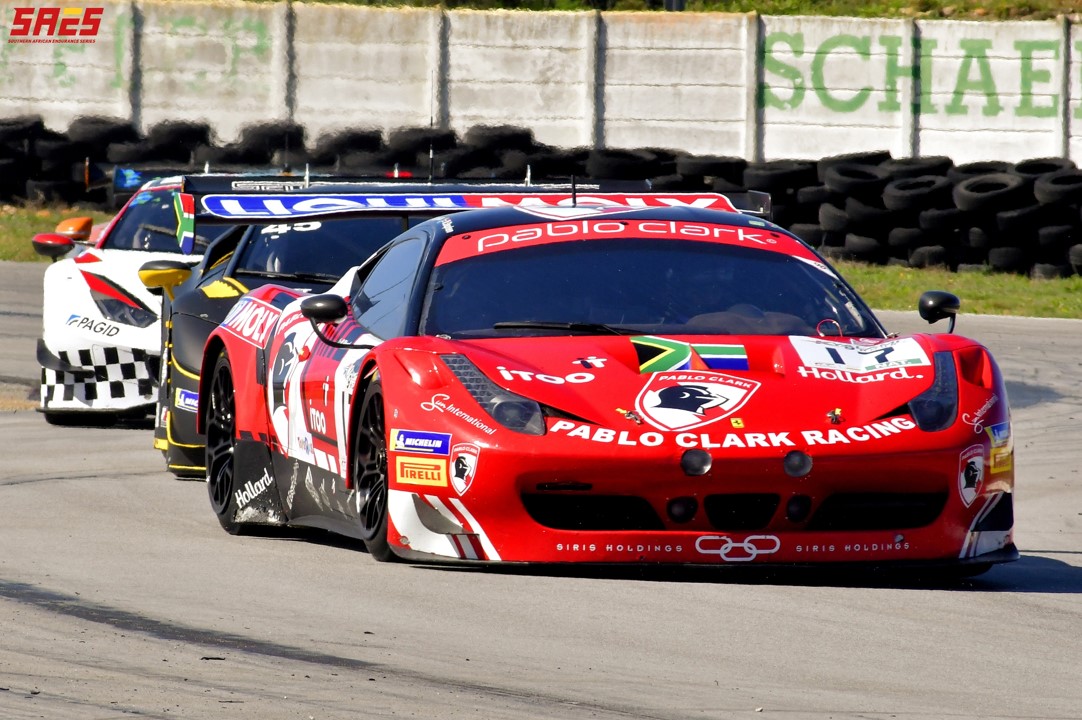
GT3 Light – The GT3 Light class is also intended for GT3 models, but manufactured up to 2012. Currently in Brazil, there are several models eligible to compete in this category, such as the Lamborghini Gallardo LP600+ and LP560, Ferrari 458, Aston Martin Vantage, and Ford GT. In addition, it is possible that Stock Car models without restrictors will also strengthen the grid of this category, such as the #25 Cobalt of Ney Faustini and the #77 Vectra of Esdras Soares. Estimated lap time: 1m34s – 1m43s.
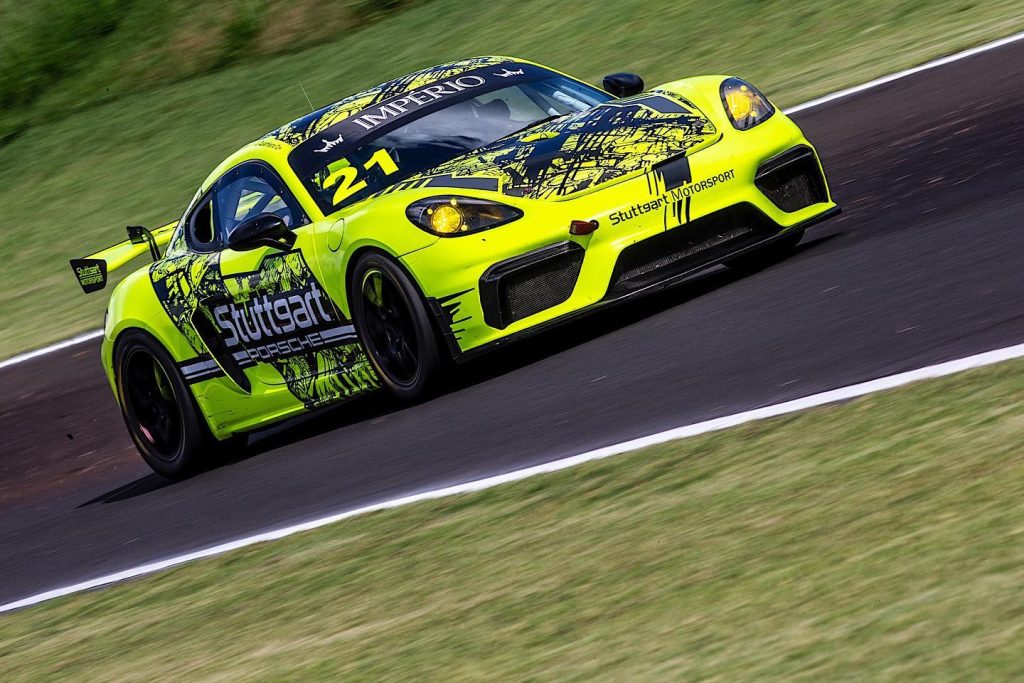
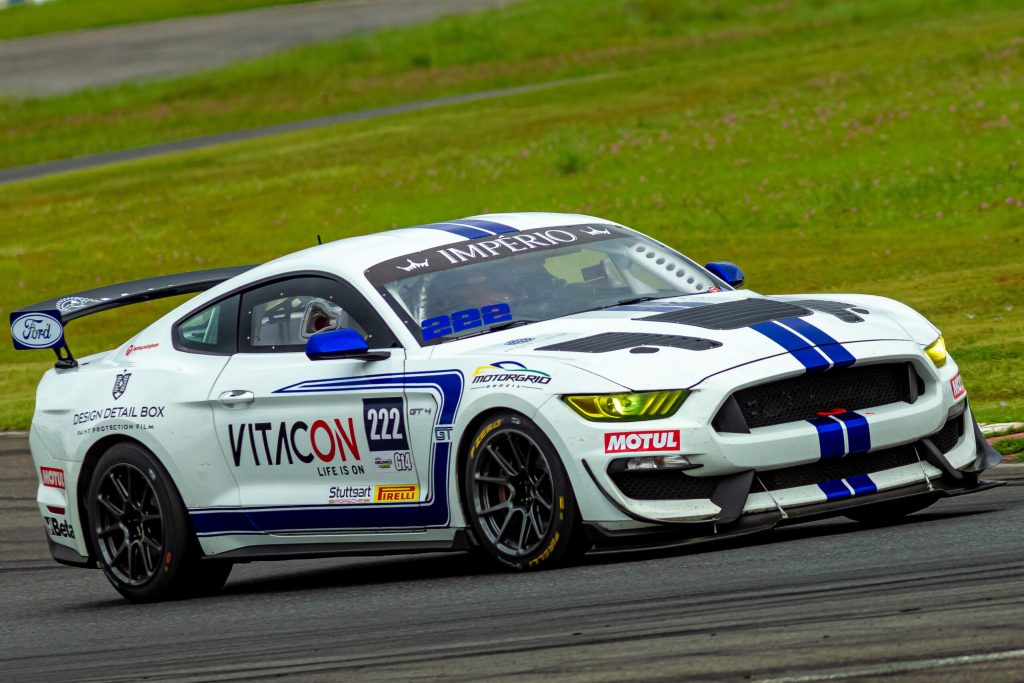
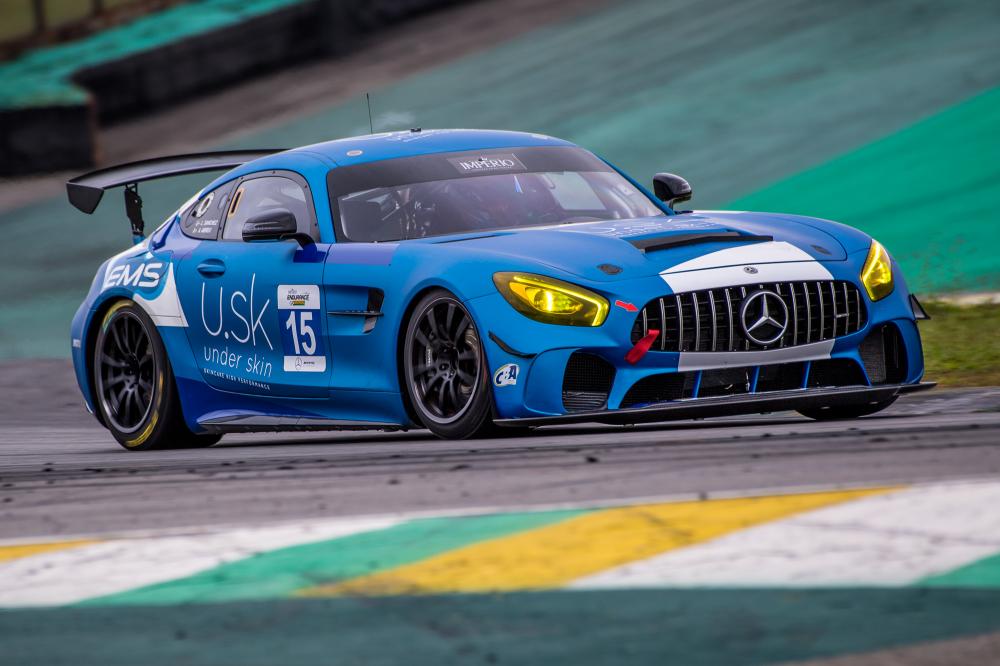
GT4 – Like GT3, GT4 is intended for models homologated under the FIA GT4 regulations, such as Mercedes AMG, McLaren 570S, BMW M4, Ginetta G55 and Ford Mustang. Estimated lap time: 1m35s – 1m40s.
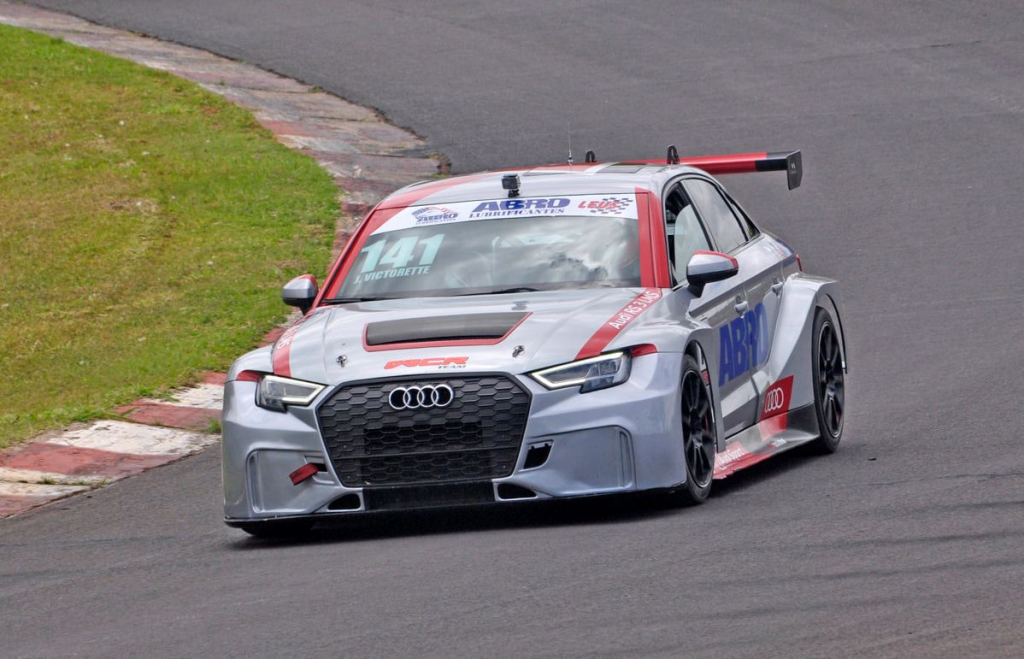
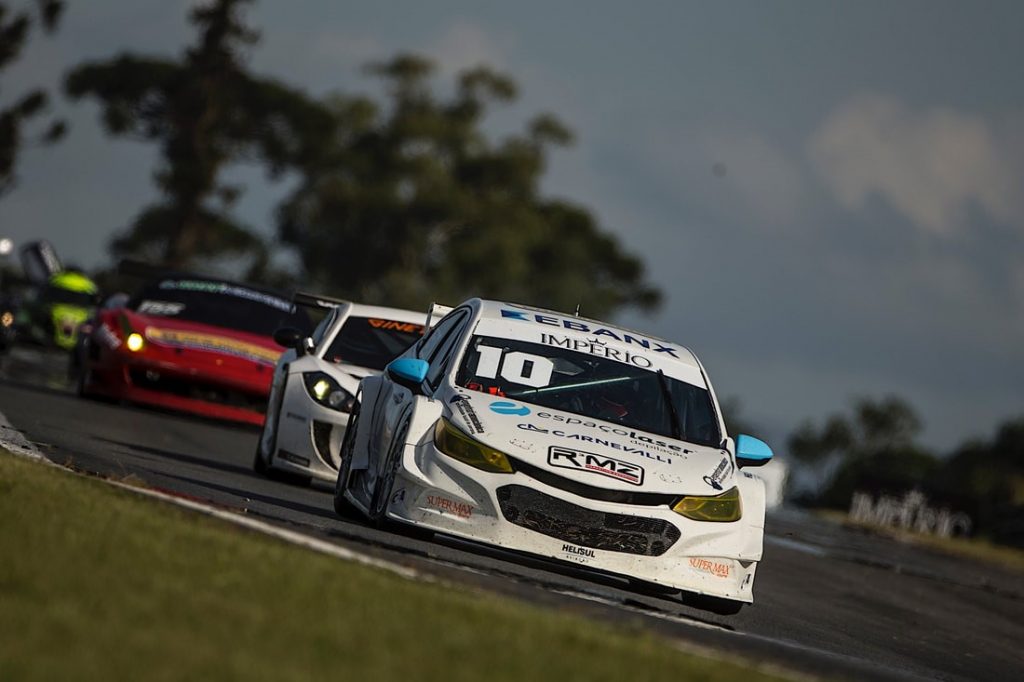
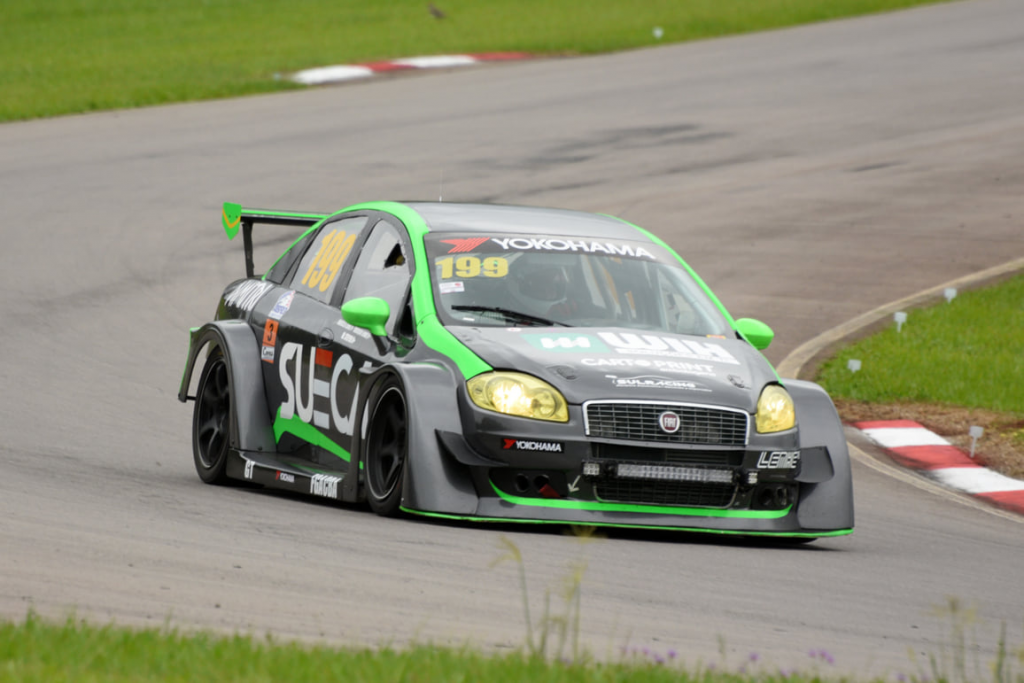
GT4 Light – GT4 Light is the class intended for models with performance inferior to GT4. This category includes FIA TCR cars, the old Trofeo Linea, Mercedes CLA 45 AMG Racing Series, and also Stock Car models with restrictors. In addition, GT3 models manufactured before 2008, Maserati Trofeo models, and models from the Brazilian Touring Car Championship can participate. Estimated lap time: 1m45s – 1m55s.
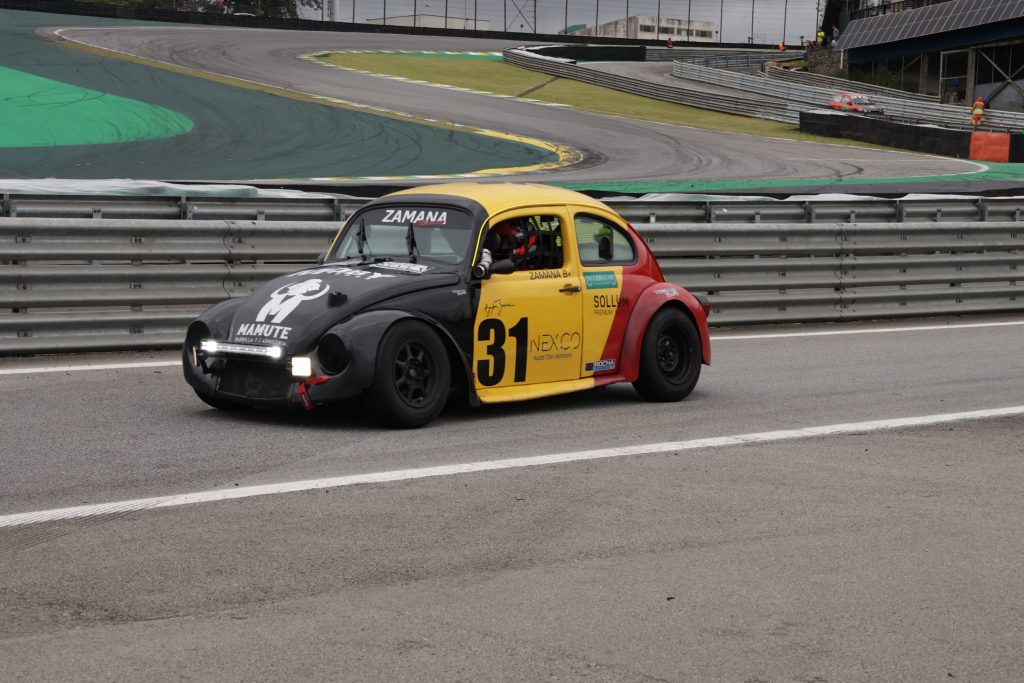
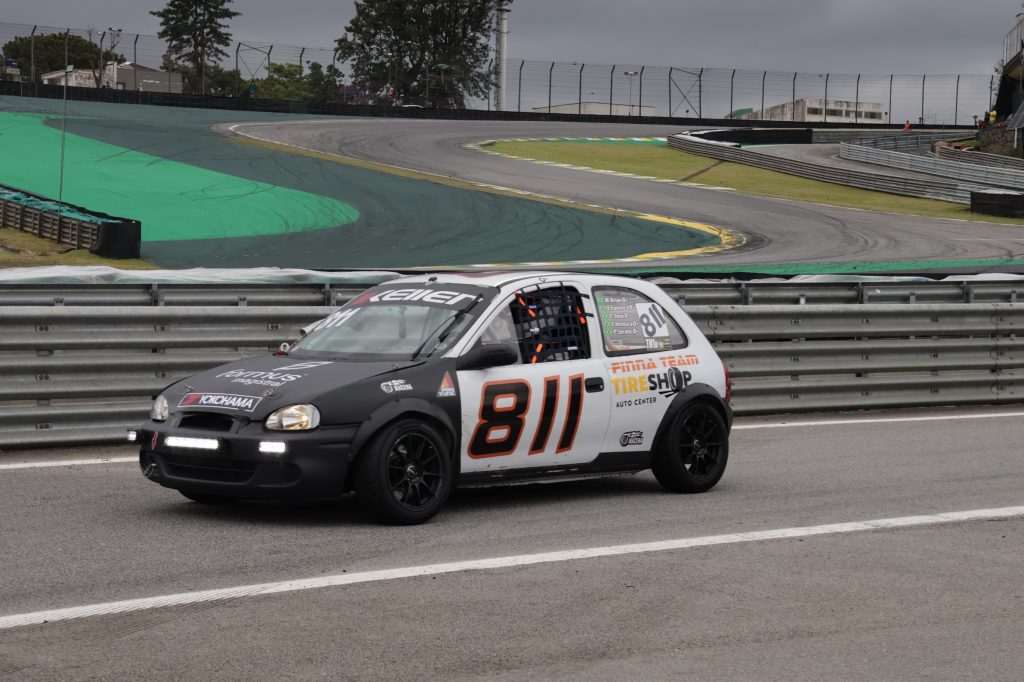
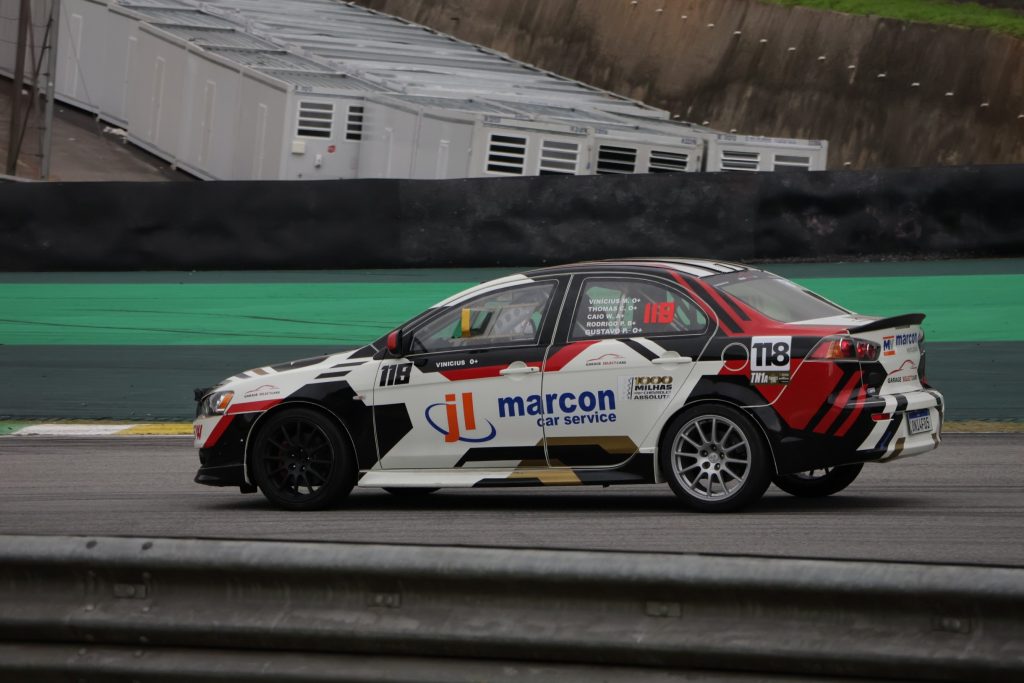
T1A – One of the new features for the 2026 race was the simplification of the touring car classes, with the TN1 class (previously for cars with engines up to 1,600 cc) and TNC class (for cars 30 years old or older with engines up to 1,600 cc) being merged into the TN1A class with engines up to 2,100 cc. The requirement that cars be manufactured in Mercosur was also removed, opening up space for imported models in all touring car classes. Estimated lap time: 1m55s – 2m10s.

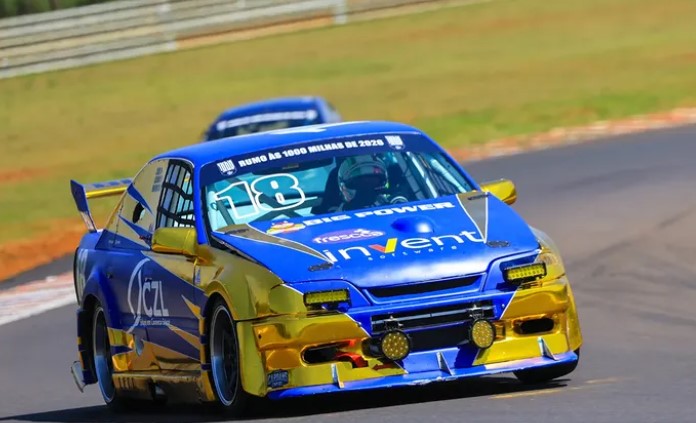
T1B – Class for touring cars with engines between 2,001 cc and 4,500 cc and slick tires. This category includes various cars, including models like the Omega, Opala, Maverick, as well as cars with tubular construction such as the Aldee Coupe. Estimated lap time: 1m45s – 1m55s.
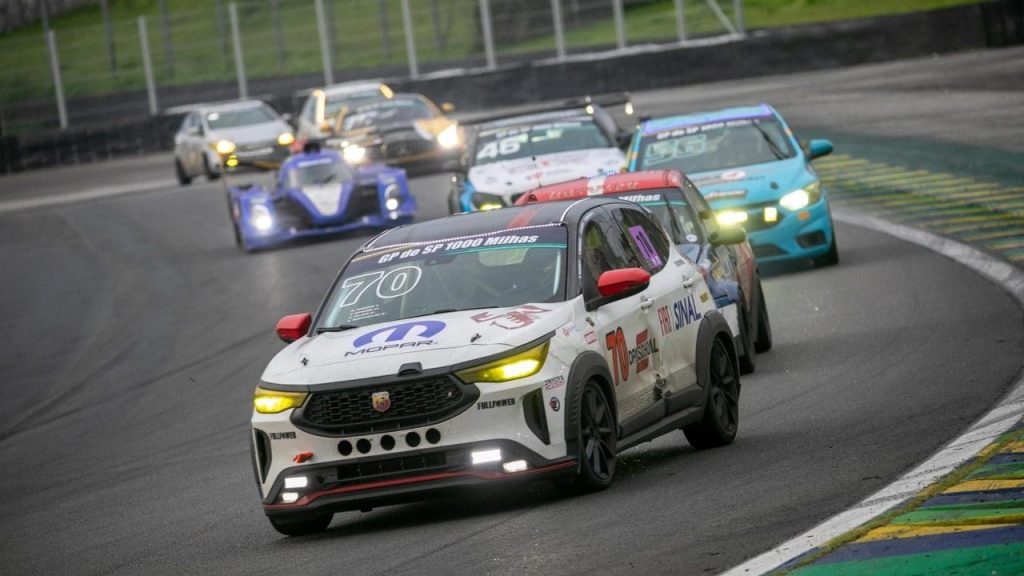
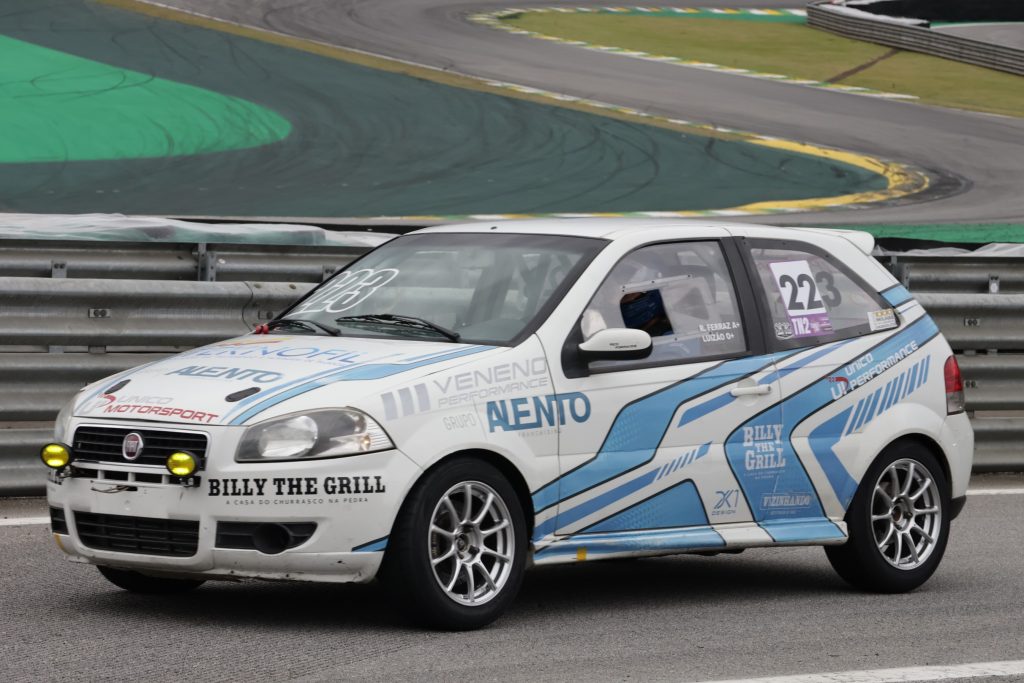
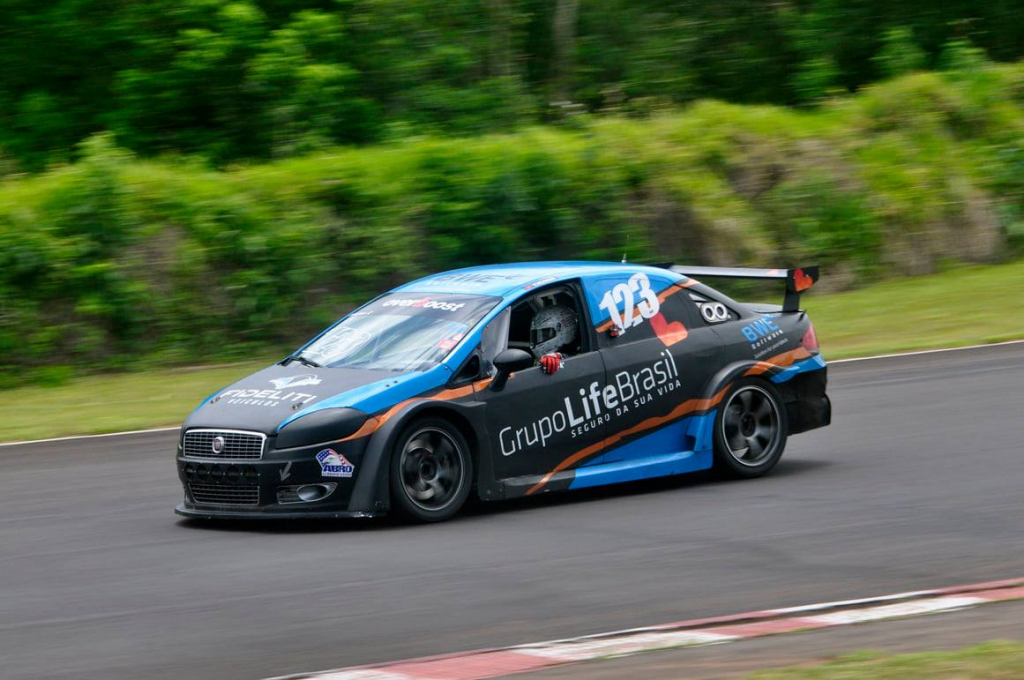
T2 – Class for touring cars with turbocharged engines up to 2,000 cc, such as the Trofeo Linea, Pulse Abarth and others. Estimated lap time: 1m45s – 2m00s.
T2A – Class for touring cars with turbocharged engines between 2,101 and 4,500 cc. Estimated lap time: 1m40s – 1m50s.
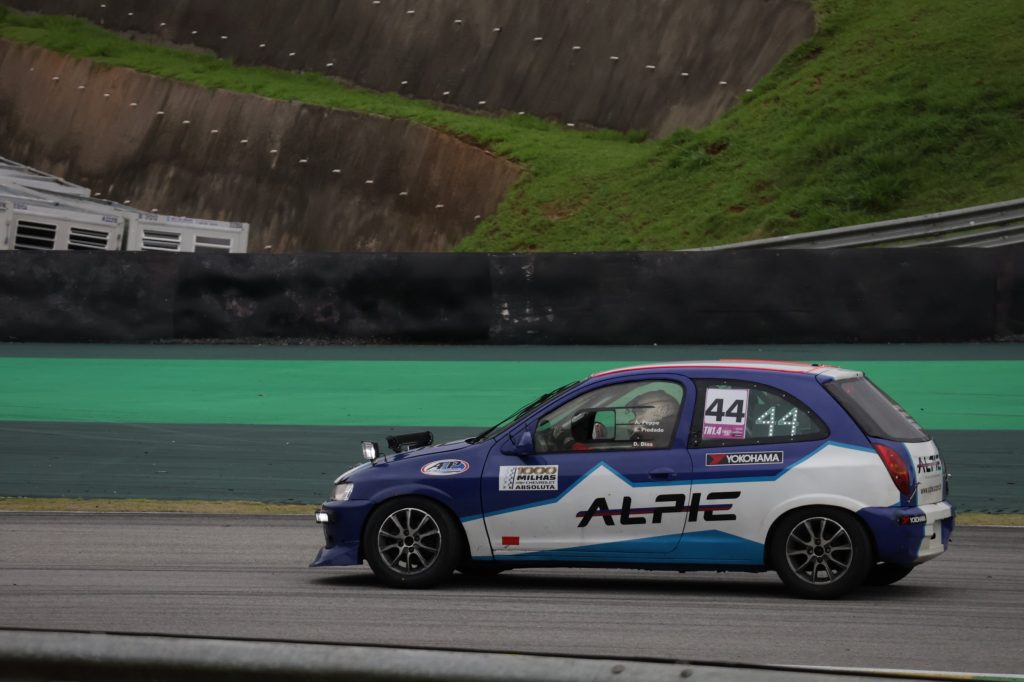
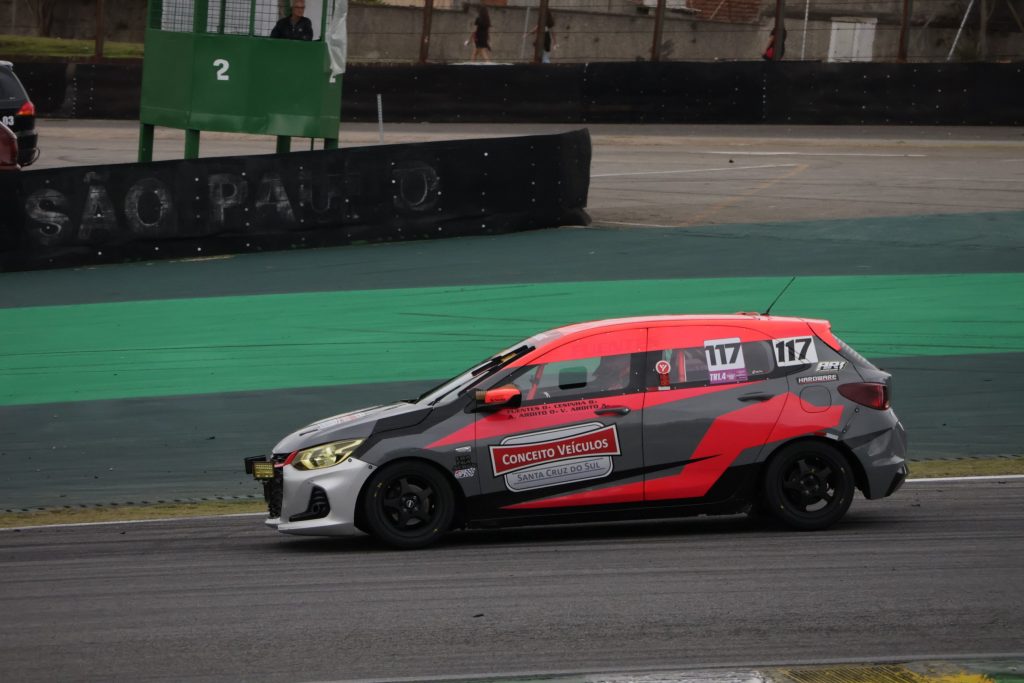
Turismo 1.4 – Introduced in the 2023 edition, the Turismo 1.4 class was created to accommodate cars that meet the Turismo 1.4 regulations, i.e., cars manufactured in Brazil or Mercosur, equipped with Chevrolet 1.4 engines and radial tires.
[Author’s opinion]: For 2026, the 1,000 Miles regulations underwent a significant evolution by unifying the TN1, TNC, and TN1A classes under the T1A class. However, I believe there is still room for improvement considering the main regulations currently in force in Brazilian motorsport.
P1 – No change, following the Endurance Brasil regulations
P2 – Adjust the regulations to also cover the P1 class regulations of the Gaúcho de Endurance
P3 – Merge the P3 class with the PN2A class
P4 – Merge the P4 class with the PN1A and PN2A classes
PN1 – No change – could be renamed P5
PN1A – Merge the regulations to those of the P4 class
PN2 – Based on performance and low number of entries, merge the regulations to those of the P4 class
PN2A – Based on performance and low number of entries, merge the regulations to those of the P3 class
GT3 – No change
GT3 Light – No change
GT4 – No change
GT4 Light – Separate this class into two: GT4 Light for GT-type cars (two-door coupe body) according to the current regulations and create a new TCX class for touring cars, also incorporating cars from the T1B, T2 and T1B classes T2A
TCX – new class incorporating touring cars from GT4 Light and the T1B, T2, and T2A classes
T1A – no change
T1B – incorporated into the TCX class
T2 – incorporated into the TCX class
T2A – incorporated into the TCX class
Touring 1.4 – no change
Entry List GP Cidade de São Paulo 1.000 Milhas
In partnership with Paulo Abreu’s Blog Volta Rápida we bring you the provisional entry list
P1 Class – 4 cars
Metalmoro JLM AJR #80 (Just Motors/Kia Power Imports)
Metalmoro JLM AJR #75 (FTR Motorsport)
Ligier JS P320 Track Day Edition #22 (Autlog / GForce)
Sigma P1 G5 #12 (Techforce)
P2 Class – 5 cars
Absoluta ABS01 #25 (Absoluta Racing)
Sigma P1 G5 EVO #777 (Itapira Racing)
Metalmoro MRX #34 (Motorcar)
Giaffone G21 #110 (GForce Autosport)
Tubarão MC40 P2 #5 (MC Tubarão)
P3 Class – 1 carGT Race Cars GeeBee R5 Tubarão (MC Tubarão)
GT Race Cars GeeBee R5 #85 (Whisky & Wheels / Progetto3)Metalmoro MRX #77 (Motorcar Racing)
Scorpion Hayabusa #32 (GT Multiferramentas)
P4 Class – 3 cars
Metalmoro MRX #210 (Just Motors)
SP Mec R1 #9 (EF Preparações)
SP Mec R1 #74 (Dobilas Racing)
PN1A Class – 4 cars
Spirit AR3 #58 (Horse Motorsport)
Aldee Spyder #5 (Garage Motorsport)
Mamba Negra 2S #96 (Mamba Negra Racing)
Berga #770 (MI Motors)
GT3 Class – 3 cars
Lamborghini Huracàn GT3 #420 (Grid Motorports) – Turko Melik / Nicolas Costa/Renan Guerra
Porsche 911 GT3 R (992.1) #911 (Stuttgart)
Mercedes AMG GT3 #10 (GForce Autosport)
GT3 Light Class – 1 car
GM Vectra V8 Stock Car (Equipe Big Power)
GT4 Class – 4 cars
Mercedes AMG GT4 #369 (Acelera Conexões)
Mercedes AMG GT4 #128 (Grid Race)
Porsche Cayman 718 GT4 #718 (Stuttgart)
Porsche Cayman 718 GT4 #719 (Stuttgart)
GT4 Light Class – 8 cars
Audi RS3 LMS TCR #50 (MC Tubarão)
BMW M2 CS Racing #64 (MC Tubarão)
Mercedes CLA 45 AMG Cup #69 (PG Racing)
Mercedes A45 AMG Cup #60 (AMG Cup)
Mercedes A45 AMG Cup #7 (AMG Cup)Mercedes A45 AMG Cup #964 (AMG Cup)
Audi RS3 LMS TCR #11 (Cobra Racing Team)
Fiat Linea Trofeo #117 (GKV/Cordova Motorsport)
Fiat Linea Trofeo #65 (Overboost)
T1A Class – 24 cars
Ford Courier #111 (Equipe Lira Racing)
Ford Fiesta #14 (Equipe Lira Racing)
Ford Ka #4 (Equipe Lira Racing)
GM Celta #17 (Equipe Oto)
GM Corsa Pick-up #178 (Equipe Oto)
GM Corsa #216 (Equipe Oto)
GM Corsa #323 (Equipe Oto)
Volkswagen Passat #19 (LF Competições)Volkswagen Fusca #31 (Zamana Racing)
Volkswagen Fusca #32 (Zamana Racing)
Chevrolet Corsa #52 (Garagem Macena)
Honda Civic Si #61 (61 Motorsport)
Toyota Corolla #888 (ADN Racing)
Chevrolet Corsa #777 (Amika Racing)
Chevrolet Corsa #788 (Amika Racing)
Chevrolet Corsa #811 (Arias 811/Keller Competições)
Chevrolet Corsa #109 (Auto Racing)
Chevrolet Corsa #120 (GT Performance)
Chevrolet Celta #59 (Master Racing Team)
Volkswagen Gol ou Chevrolet Celta #100 (MI Motors)
Alfa Romeo 155 #99 (Mol Racing Team)
Chevrolet Celta #269 (Pepper Racing)
Renault Sandero RS #27 (Pombo Racing)
Hyundai HB20 #23 (Scuderia Fast Racing)
Volkswagen Gol #30 (STR)
Volkswagen Gol #521 (TGA Racing)
T1B Class – 9 cars
GM Ômega V8 #18 (Equipe Big Power)
VW Gol 5 cil #33 (Equipe Moisa Motors) – Caca Clauset, Manu Clauset, Moisés Nivolini, Thomas Cabrera, Vinícius Luís Marcon
Aldee Cupe #91 (LF Competições)
Aldee Cupe #444 (HT Guerra)
Chevrolet Camaro The Chaser #36 (MRT)
Chevrolet Opala #74 (Big Power Competições)
Chevrolet Opala #47 (LYUS Racing)
Volkswagen Gol GT #222 (Rezende Racing)
Chevrolet New Onix #22 (RS Sports)
T2 Class – 2 cars
Mini Cooper #40 (Turin Motorsport)
up! TSi #3 (Callflex Racing)Fiat Linea Trofeo #40 (Supercarros Gramado)
Entry List 500 Milhas Turismo 1.4
6 – Samuel Damin/(a confirmar)/Tulio Patto (GM New Onix Sedan)
19 – Roberto Fulcherberguer/Renato Marlia/Renato Muniz (GM New Onix)
21 – Rafa Mattos/Vinícius Lira (GM New Onix Sedan/Lira Racing by Vidal)
27 – Wanderson Freitas/Eder Melhorim/Fabrício Lançoni (GM New Onix)
31 – Renato Lima/Bernardo Cardoso/Fabiano Cardoso (GM New Onix)
37 – Raphael Teixeira/César Ramos (GM New Onix Sedan/Classe A Motorsport)
53 – Wilton Pena/Rodrigo Moreno (VW Polo)
61- Toni Mariano/Jairo Andrade/Rafael Varga (GM New Onix)
88 – JP Velard/Paulo Cocco (GM New Onix Sedan)
96 – Gabriel Di Giácomo/Cesar Labrea/a confirmar (GM New Onix)
117 – Basilios Eleutheriou/Thiago Machado (GM New Onix)
183 – Thiago Escobar/Diego Faria/Gustavo Mascarenhas (GM New Onix Sedan)
347 – Douglas Goulart/Helison Viana/Rodrigo Sucata (GM New Onix Sedan)
405 – Thiago Messias/Gabriel Santo (GM Onix Sedan)
Event Schedule
Wednesday, January 21st 2026
08h00 – 08h40 Treino Livre Extra Fórmulas
08h45 – 09h25 Treino Livre Extra Turismo
09h30 – 10h30 Treino Livre Extra GT Series
10h35 – 11h15 Treino Livre Extra Fórmulas
11h20 – 12h00 Treino Livre Extra Turismo
12h05 – 13h05 Treino Livre Extra GT Series
13h10 – 13h50 Treino Livre Extra Fórmulas
13h55 – 14h35 Treino Livre Extra Turismo
14h40 – 15h40 Treino Livre Extra GT Series
15h45 – 16h25 Treino Livre Extra Fórmulas
16h30 – 17h10 Treino Livre Extra Turismo
17h15 – 18h00 Treino Livre Extra GT Series
Thursday, January 22nd 2026
08h00 – 08h30 Treino 500 Milhas Marcas 1.4 – Grupo A
08h35 – 09h05 Treino 500 Milhas Marcas 1.4 – Grupo B
09h10 – 09h40 Treino Super Fórmula
09h45 – 10h15 Treino Fórmula 1600
10h20 – 10h50 Treino Copa Fusca
10h50 – 11h50 Treino 1000 Milhas (PN1, PN1A, PN2, PN2A, T1, T1A, T2)
11h55 – 12h55 Treino Livre 1000 Milhas (P1, P2, P3, P4, GT3, GT3L, GT4, GT4L, T1B, T2A)
13h00 – 13h30 Treino Super Fórmula
13h35 – 14h05 Treino 500 Milhas Marcas 1.4 – Grupo A
14h10 – 14h40 Treino 500 Milhas Marcas 1.4 – Grupo B
14h45 – 15h15 Treino Fórmula 1600
15h20 – 15h50 Treino Copa Fusca
15h55 – 16h55 Treino 1000 Milhas (Todas as Categorias)
17h00 – 17h15 Classificação Super Fórmula
17h20 – 17h35 Classificação Fórmula 1600
17h40 – 17h55 Classificação Copa Fusca
18h00 – 19h00 Track Walk
20h00 – 21h00 Treino 1000 Milhas (Todas as Categorias)
Friday, January 23rd 2026
08h00 – 08h30 Prova Super Fórmula (1ª)
08h45 – 09h15 Treino 500 Milhas Marcas 1.4 – Grupo A (3º)
09h20 – 09h50 Treino 500 Milhas Marcas 1.4 – Grupo B (3º)
10h05 – 10h35 Prova Fórmula 1600 (1ª)
10h50 – 11h20 Prova Copa Fusca (1ª)
11h25 – 12h25 Treino Livre 1000 Milhas (PN1, PN1A, PN2, PN2A, T1, T1A, T2)
12h30 – 13h30 Treino Livre 1000 Milhas (P1, P2, P3, P4, GT3, GT3L, GT4, GT4L, T1B, T2A)
13h35 – 14h05 Treino 500 Milhas Marcas 1.4 – Grupo A (4º)
14h10 – 14h40 Treino 500 Milhas Marcas 1.4 – Grupo B (4º)
14h55 – 15h25 Prova Super Fórmula (2ª)
15h40 – 16h00 Classificação 1000 Milhas – Grupo 1
16h05 – 16h25 Classificação 1000 Milhas – Grupo 2
16h30 – 16h50 Classificação 1000 Milhas – Grupo 3
16h55 – 17h15 Classificação 1000 Milhas – Grupo 4
17h20 – 17h40 Classificação 500 Milhas Marcas 1.4 – Grupo A
17h45 – 18h05 Classificação 500 Milhas Marcas 1.4 – Grupo B
19h35 – 20h35 Treino Livre 1000 Milhas (Todas as Categorias)
Saturday, January 24th 2026
08h00 – 08h30 Prova Copa Fusca (2ª)
08h45 – 09h15 Prova Fórmula 1600 (2ª)
09h30 – 10h00 Prova Super Fórmula (3ª)
10h15 – 18h15 Prova 500 Milhas
18h20 – 19h00 Rallye de Regularidade
19h15 – 19h45 Warm Up 1000 Milhas
19h55 – 21h55 Track Day PTalk
22h05 – 22h45 Mini 1000 Milhas
23h00 – 23h20 Abertura de Box 1000 Milhas
23h20 – 23h50 Grid Experience
23h55 – 00h00 Volta de Apresentação
00h00 – 12h00 Largada GP Cidade de São Paulo 1000 Milhas
Sunday, January 25th 2026 – Provas
00h00 – 12h00 Prova GP Cidade de São Paulo 1000 Milhas
13h30 – 14h00 Passeio Promocional
16h00 – 18h00 Track Day
Race Facts
The Mil Milhas race was created by Baron Wilson Fittipaldi and Eloy Gogliano, president of the Centauro Motor Club, and is traditionally held at the Interlagos racetrack, with only two exceptions: 1997 (held in Brasília) and 1999 (held in Curitiba). Below is a history of the race’s winners:
1956 – Catharino Andreatta / Breno Fornari – Carretera Ford
1957 – Aristides Bertuol / Orlando Menegaz – Carretera Chevrolet
1958 – Catharino Andreatta / Breno Fornari – Carretera Ford
1959 – Catharino Andreatta / Breno Fornari – Carretera Ford
1960 – Chico Landi / Christian Heins – FNM JK 2000
1961 – Italo Bertão / Orlando Menegaz – Carretera Chevrolet
1965 – Justino de Maio / Victoria Azzalin – Carretera Chevrolet
1966 – Camilo Christófaro / Eduardo Celidônio – Carretera Chevrolet
1967 – Luiz Pereira Bueno / Luiz Terra Smith – Willys Bino Mk I
1970 – Abílio Diniz / Alcides Diniz – Alfa Romeo GTA 2.000
1973 – Bird Clemente / Nilson Clemente – Ford Maverick 4.800
1981 – Zeca Giaffone / Affonso Giaffone Filho / Chico Serra – Chevrolet Opala Stock Car
1983 – Fausto Wajchenberg / Vicente Corrêa / Valdir Silva – Volkswagen Passat
1984 – Zeca Giaffone / Reinaldo Campello / Maurizio Sala – Chevrolet Opala Stock Car
1985 – Paulo Gomes / Fábio Sotto Mayor – Chevrolet Opala Stock Car
1986 – Zeca Giaffone / Affonso Giaffone / Walter Travaglini – Chevrolet Opala Stock Car
1987 – Luiz Pereira / Marcos Gracia – Chevrolet Opala Stock Car
1988 – Zeca Giaffone / Luís Pereira / Walter Travaglini – Chevrolet Opala Stock Car
1989 – Zeca Giaffone / Walter Travaglini – Chevrolet Opala Stock Car
1990 – Carlos Alves / José Carlos Dias – Chevrolet Opala Stock Car
1992 – Klaus Heitkotter / Jurgen Weis / Marc Gindorf – BMW M3
1993 – Antônio Hermann / Franz Konrad / Franz Prangemeier – Porsche 911 Carrera RS (964)
1994 – Wilson Fittipaldi / Christian Fittipaldi – Porsche 911 RSR GT Le Mans (964)
1995 – Antônio Hermann / Wilson Fittipaldi / Franz Konrad – Porsche 911 (993)
1996 – André Lara Resende / Roberto Keller / Roberto Aranha – Porsche 911 (1971)
1997 – Nelson Fittipaldi / Johnny Cecotto / Steve Soper – McLaren F1 GTR
1998 – Tom Stefani / André Grillo / Júlio Fernandes – AS Vectra-Chevrolet
1999 – Beto Borghesi / Jair Bana / Luciano Borghesi – Aldee Spyder-Volkswagen
2001 – André Lara Resende / Régis Such / Max Wilson / Flávio Trindade – Porsche 911 GT3 (996)
2002 – Régis Such / Flávio Trindade / Raul Boesel – Porsche 911 GT3-RS (996)
2003 – Ingo Hoffman / Xandy Negrão / Ricardo Etchenique / Fernando Nabuco – Porsche 911 GT3 (996)
2004 – Stefano Zonca / Angelo Lancellotti / Fabrizio Gollin – Dodge Viper GTS/R
2005 – Xandy Negrão / Xandinho Negrão / Guto Negrão / Giuliano Losacco – Audi TT-R DTM
2006 – Nelson Piquet / Nelsinho Piquet / Christophe Bouchut / Hélio Castro Neves – Aston Martin DBRS9
2007 – Nicolas Minassian / Marc Gené – Peugeot 908 HDi FAP
2008 – Max Wilson / Raul Boesel / Marcel Visconde – Porsche 911 GT3 RSR (997)
2020 – Esio Vichiesi / Renan Guerra / Stuart Turvey – Ginetta G55 GT4
2021 – Leandro Totti / José Vilela / Guga Ghizo / Léo Yoshi / Eduardo Pimenta – Metalmoro MRX-Honda
2022 – Jindra Kraucher / Aldo Piedade Jr. / José Roberto Ribeiro – Sigma P1 G4-Chevrolet
2023 – Henrique Assunção / Fernando Ohashi / Emílio Padrón / Fernando Fortes – Metalmoro JLM AJR-Ford
2024 – Marcel Visconde / Ricardo Maurício / Marçal Müller – Porsche 911 GT3 R (992)
2025 – Henrique Assunção / Pietro Rimbano / Christian Robert – Metalmoro JLM AJR – Ford
Recordss
Driver with most overall wins: Zeca Giaffone com 5 vitórias (1981, 1984, 1986, 1988 e 1989)
Car with most overall wins: 9 vitórias do Porsche 911 (1993, 1994, 1995, 1996, 2001, 2002, 2003, 2008 e 2024)
Qualifying Lap Time Record (overall): Pedro Lamy / Stéphane Sarrazin – Peugeot 908 HDi FAP (2007) – 1m18s787
Race Lap Time Record (overall): Nicolas Minassian / Marc Gené – Peugeot 908 HDi FAP (2007) – 1m21s027
Qualifying Lap Time Record (Brazilian Cars): Henrique Assunção / Pietro Rimbano / Christian Robert – Metalmoro JLM AJR – Ford V8 (2025) – 1m29s576
Fastest Race: Nicolas Minassian / Marc Gené – Peugeot 908 HDi FAP (2007) – 8h58m21s822
To learn more about the history of the race, Blog das Mil Milhas from Mil Milhas expert Ricardo Sarmento is essential reading, with stories, trivia, and results from every edition held to date. We’ll also be hosting our traditional pre-race live stream on the channel Entusiastas sobre rodas alongside master Rodrigo Carelli and other great experts in Brazilian motorsports.