Today, we tell the story of Fulgor SP—a journey brought to us in partnership with Lucas “TAIYO” Marándola, an automotive enthusiast like us and the mind behind the site Datacorsa, who conducted incredible research after his curiosity was piqued upon finding a photo of himself in front of that car when he was four years old. But before we talk about the car, there are some key people and organizations we need to get to know.
JVA Automóviles Especiales S.A.
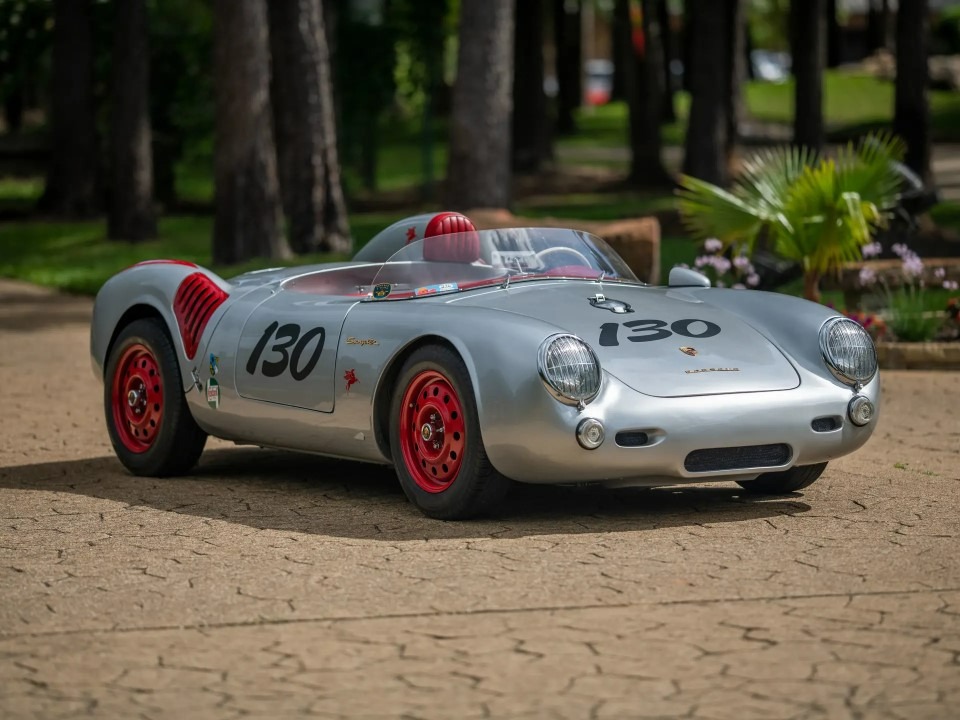
Created by the famous publicist Jorge Vazquez in 1996, JVA built high quality replicas of classic European sports cars such as the Porsche 550 and Maserati A6 GC3 Monofaro for roughly one decade, even exporting units to Europe and US. The company closed its doors in 2010 after a change in the Argentinian regulations for low volume manufacturers was changed, and made so complex to force many small volume manufacturers out of business by sheer bureaucracy.
Juan María “Flaco” Traverso
Born in 1950, Juan María Traverso was better known as “Flaco”, which translates roughly as skinny due to his slim figure. He entered his first race in Turismo Carretera the 31st October 1971, and managed his first win less than one year later, the 29th October 1972. Between 1971 and 2005 he has won many races in various forms of motorsports, and established himself as one of the great touring car drivers of Argentina, with titles spanning through four decades in the main series of the country:
- 6 x Turismo Carretera (1977, 1978, 1995, 1996, 1997 and 1998);
- 7 x TC2000 (1986, 1988, 1990, 1991, 1992, 1993 and 1995)
- 3 x Top Race (1998, 1999 and 2003)
Gustavo Donadío
With 40 years of experience in the design of competition cars, Gustavo Donadio has done it all: from single seaters to prototypes, and through silhouettes and touring cars. His company, Donadio Racing Development, has developed cars that raced in the main categories of Argentina as well as in many Latin American countries. Also, he was contracted by JVA as a consultant to improve the chassis and suspension of their Porsche 550 Replica. Among his main projects are many single seaters for Formula 2, 4, Renault, Ford, Chevrolet, various TC2000 cars, the Venezuelan GT1 and Argentinian GTA cars.
The STU
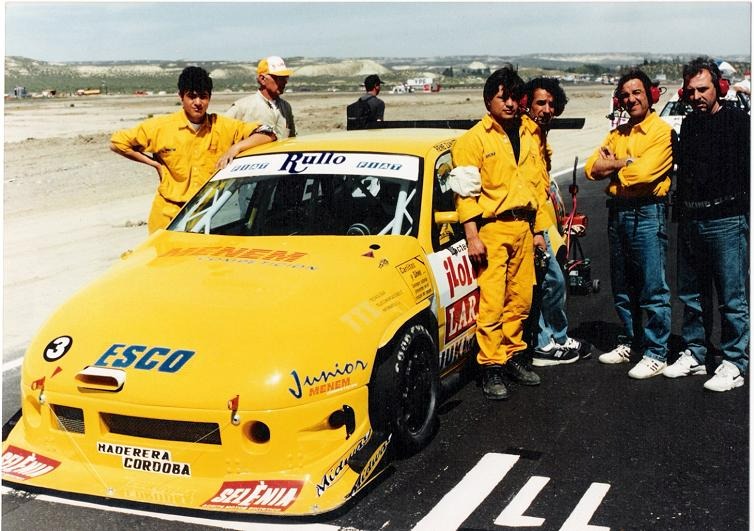
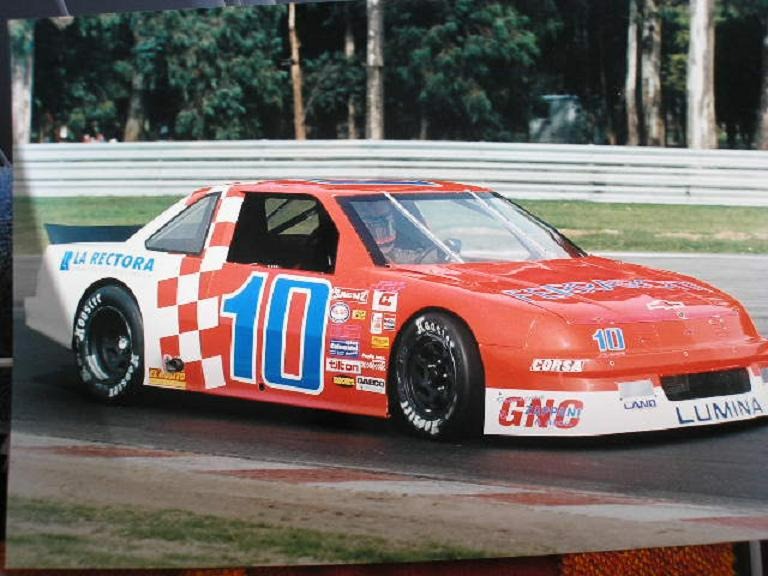
Shortly after winning the Turismo Carretera drivers’ championship in 1999, Juan María “Flaco” announced his retirement from the series, deciding to create his own. By a coincidence, he met at an airport with Gustava Donadio, who at the moment was working with JVA to improve the chassis and suspension of their Porsche 550 Replica. Together with Jorge Vásquez, the trio discussed about the possibility to buid a car based on the GTA (in the late 1990’s, after the experience with the Venezuelan GT1s, Gustavo Donadio had created the cars for GTA, which was a single make championship consisting of silhouette touring cars with a tube frame chassis and an American V8 under the hood. With around 500 HP, the cars were quite more powerful than the TC2000 and Turismo Carreteras from the time, and can be considered sort of a preview of what would be the later Top Race V6).
Originally, the idea was to present a drawing of what could be this car, but after Juan Maria left, Vásquez proposed a bolder plan: they would present a car in 10 days to Juan Maria. He then asked Donadio to come up with a chassis able to hold the bodywork and the wheels, while Vásquez would take care of the bodywork. For that, he rented a Ford Mondeo from Rent a Car and created a mold for the fiberglass body, returning the car with only 10 km after six days of rent.
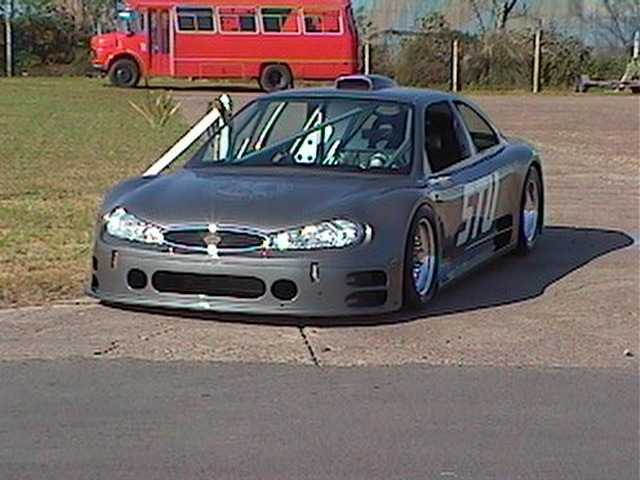
When “Flaco” returned, he was amused by what JVA and Donadio had achieved in so little time, and the car began to be built. In the shakedown, the car managed a lap time 4 seconds better than a TC2000 at the San Jorge Autodrom. The car was even presented at the ACA (Automóvil Club de Argentina) as the STU 450, with plans lsif for three different bodyworks to be available for the competitors, based on mid-size sedans: besides the Ford Mondeo, the plan was to build also silhouettes of the Chevrolet Vectra and Chrysler Stratos. The category would then be similar to the V8Star Series, which hit the track at the same time the STU would. However, when the time came for the money to be invested to produce the cars for the category, the project came to a halt.
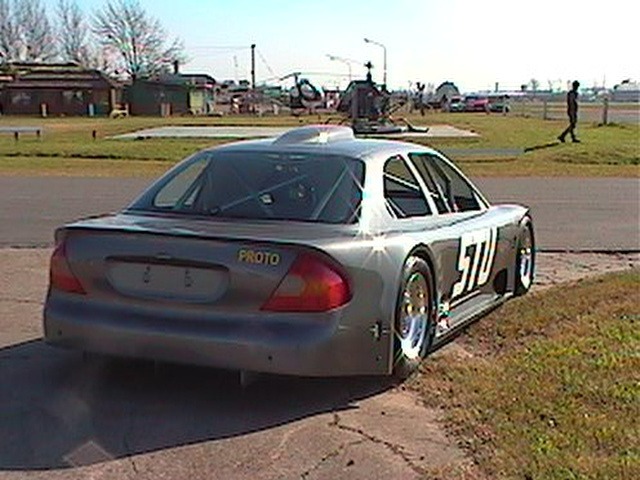
Without backing, Vásquez decided to keep investing in the project, converting the sole car built into a sport prototype, with a new bodywork unrelated to any production model. The plans were made for the new car to race, now in a category that would be called the SUDAM 600 (in allusion to South America and the 600 HP of the new engine) and with sponsorship from Brazilian oil company Petrobrás.

It was even advertised that the new car could take part in traditional South American endurance races such as the Brazilian Mille Miglia and the 6 Hours of Bogotá, but at the end those plans did not materialize.
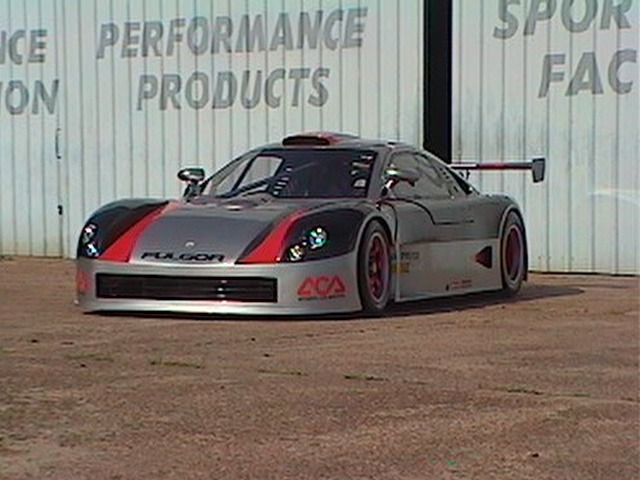
Tech Analysis – Fulgor SP
Chassis
Originally intended as a Silhouette Touring Car as the STU (similar to NASCAR or Brazilian Stock Car), the Fulgor SP chassis was built in a tube frame construction, bearing some similarities to a Trans Am car of the same period (which makes sense, considering the background of Gustavo Donadio with the GTA and Venezuelan GT1).
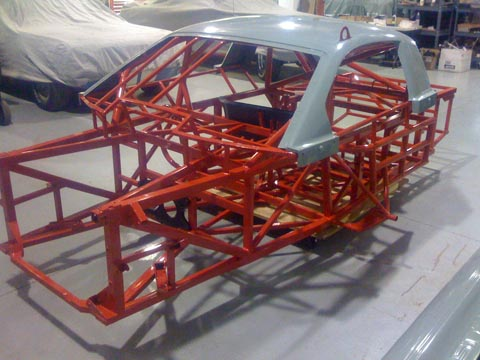
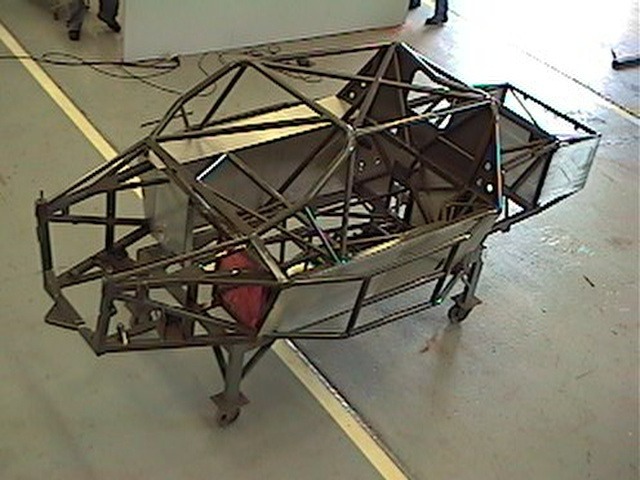
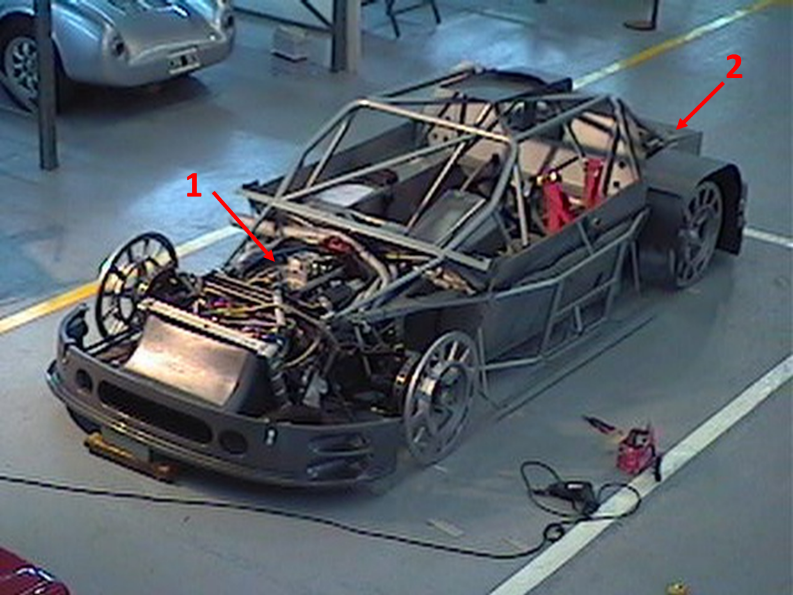
Trans Am chassis from the early 2000’s (left) and STU chassis (right).
Some of the highlights of this design are the “almost” front mid-engine layout (1) and the fuel cell placed at the “trunk” (2), right behind the rear axle.
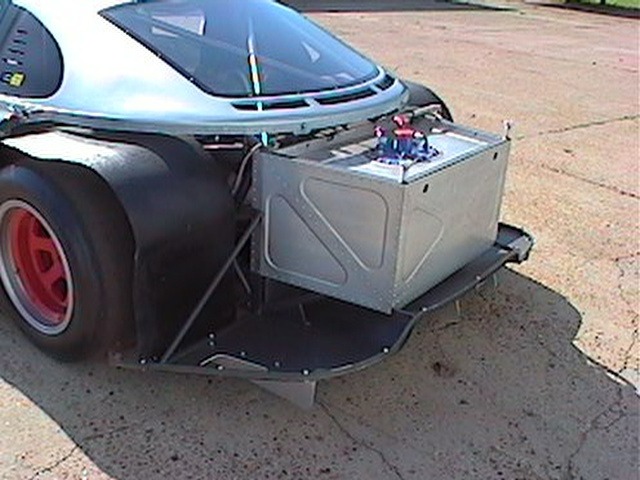
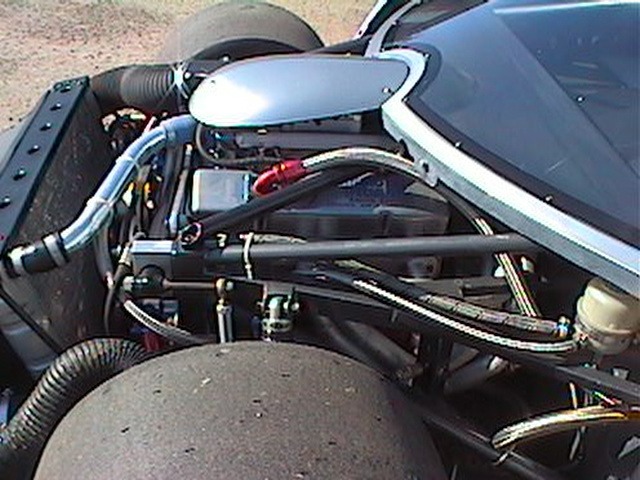
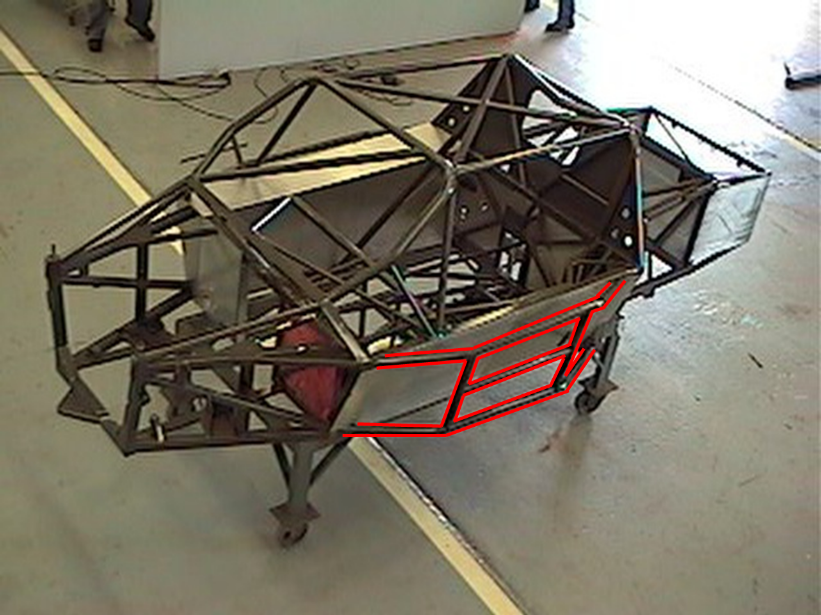
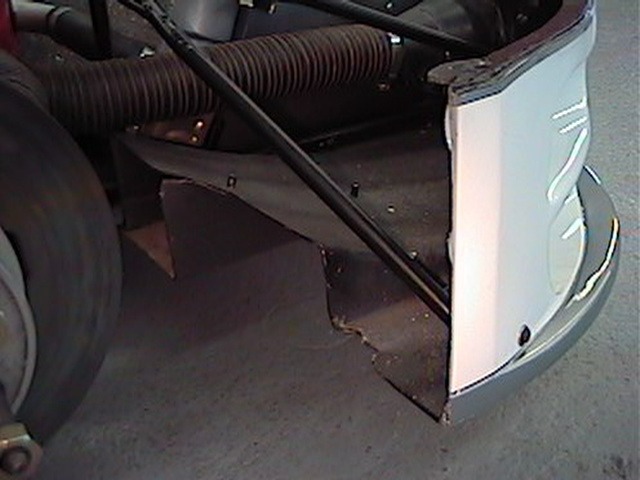
Special attention was given to safety in this design, as seen by the side crash structures (red detail below):
Suspension wise, the layout was again akin to a Trans Am, with independent double-A with coilovers at the front an what looks like a four link design at the rear.
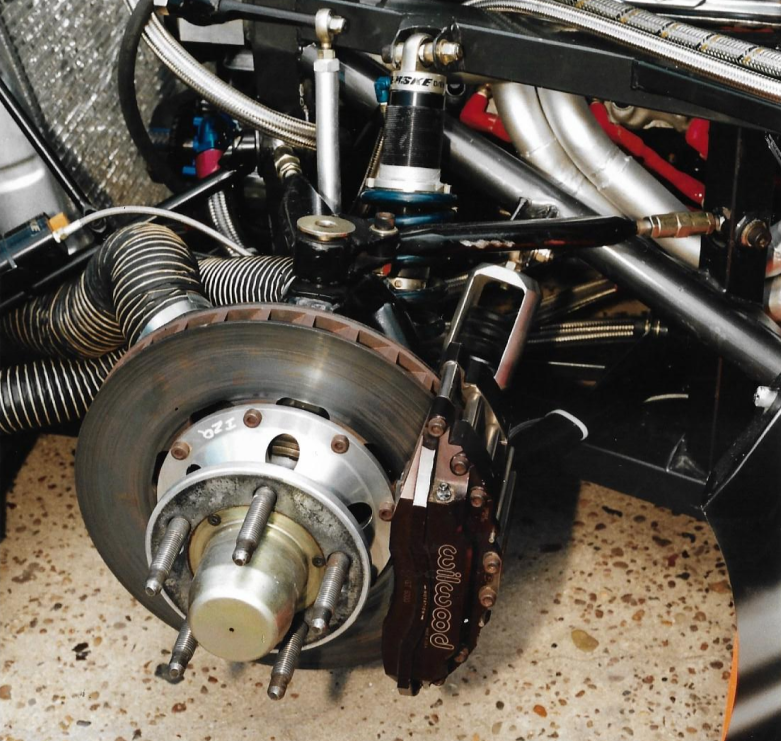
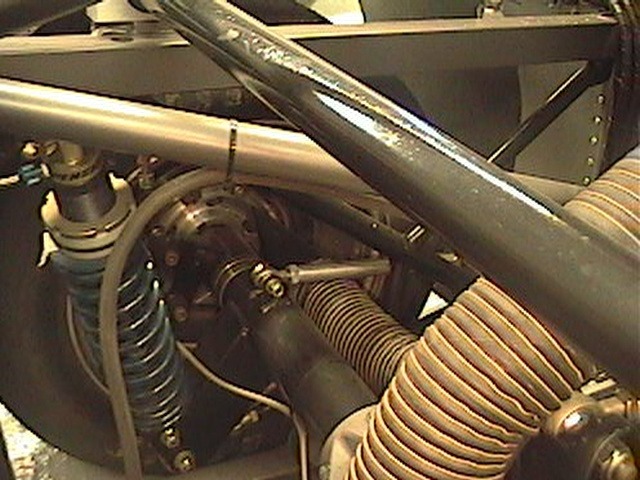
The brakes are ventilated discs all around, with Willwood calipers, with six pistons at the front and four pistons at the rear. The wheels are 5-lug made in alloy with 15 inch diameter, with two different designs fitted to the car at some point, always featuring Goodyear Eagle tires.
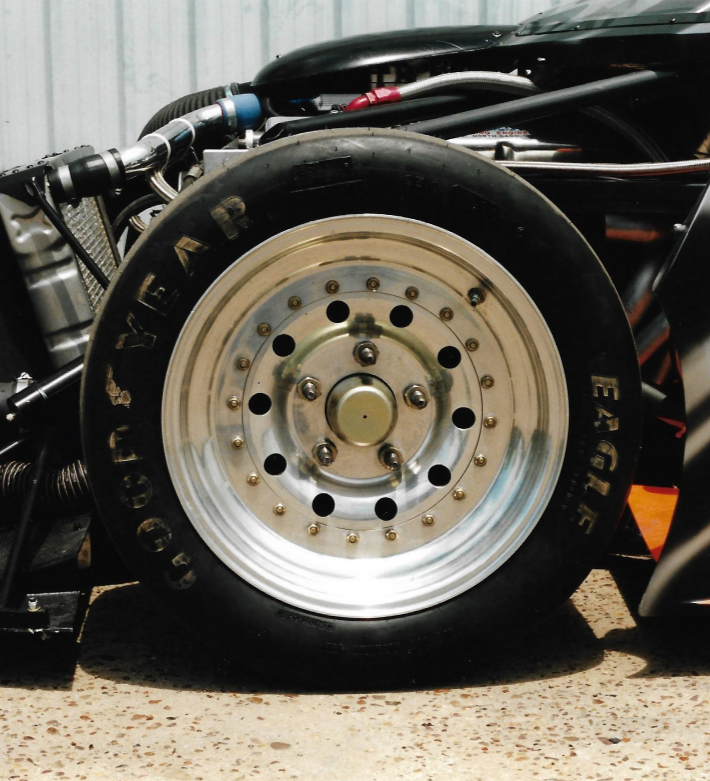
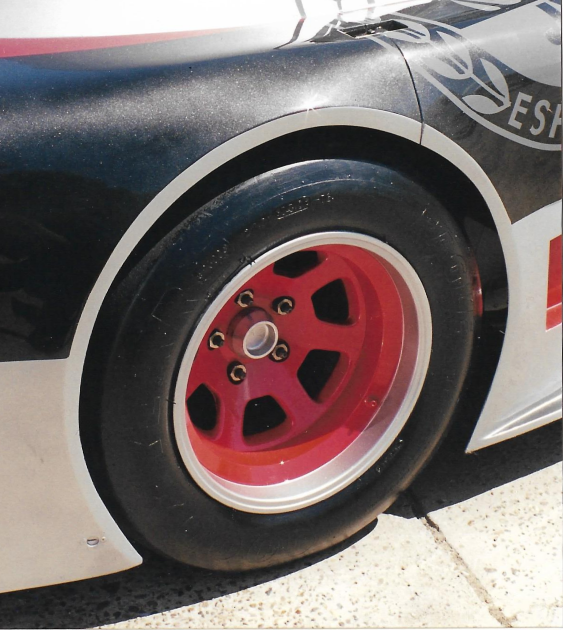
The Fulgor SP was presented both with Multi Piece metal colored wheels (left), and single piece wheels (red), which were akin to NASCAR units of the time.
Overall, the finishing quality of the Fulgor SP was very high, and generally above what was available in South America at the same time.
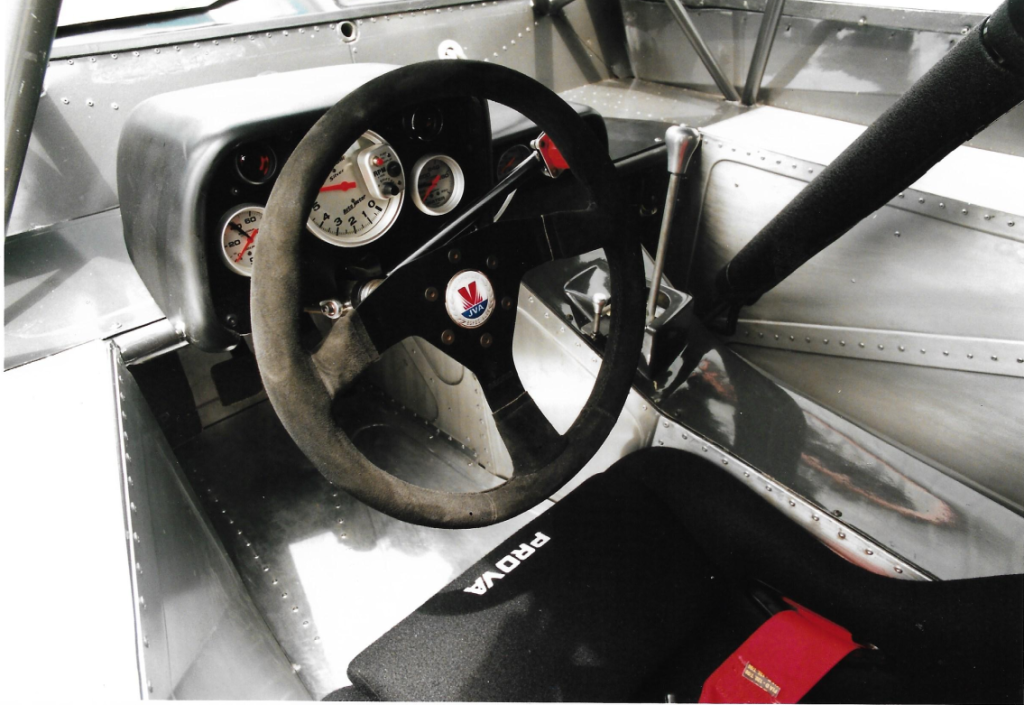
Powertrain
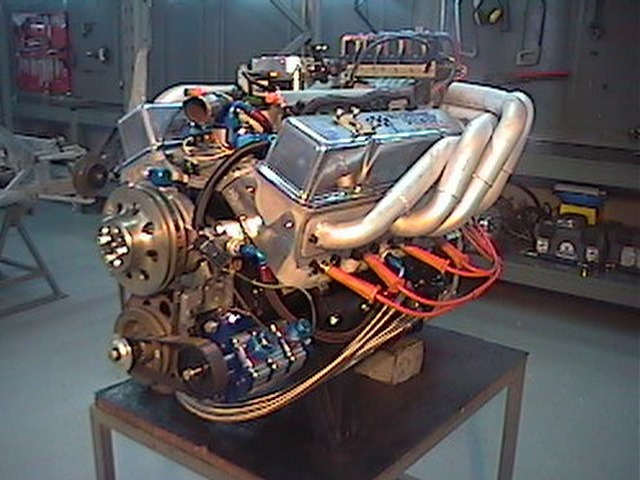
The engine selected for the Fulgor SP was a 5.8 Liter Chevy V8 tuned by American Automotive Specialists, producing around 600 HP, similar to a NASCAR engine from the period. With this much power, the Fulgor SP was the most powerful circuit car built in South America up until then (the best Brazilian and Argentinian SPs from the 70s were rated at around 450 HP, and the new generation of V8 Endurance racers from Brazil was yet to debut). But this engine was also a step ahead in technology, by integrating an electronic fuel injection system instead of the carburetors used by NASCAR at the time.
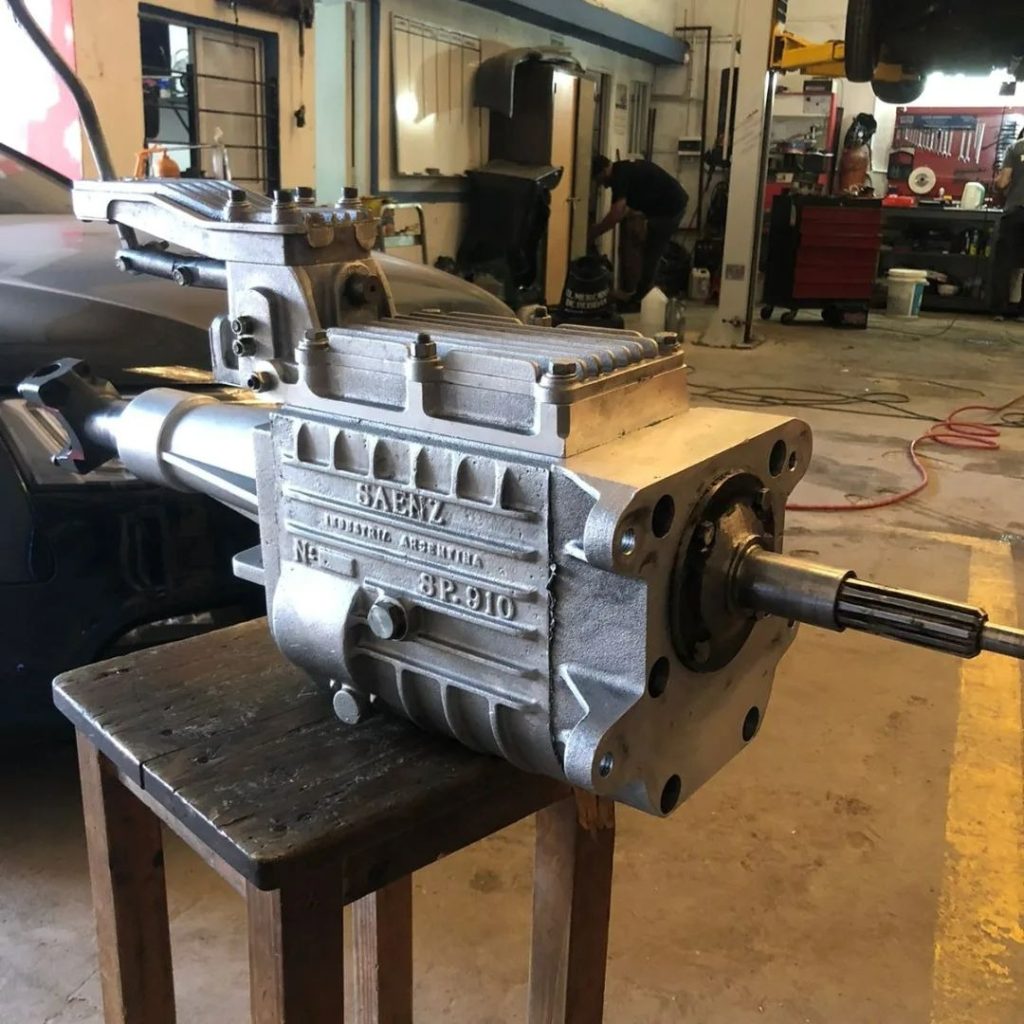
The selected transmission was a Saenz SP910, a 5-speed dog leg gearbox also made in Argentina.
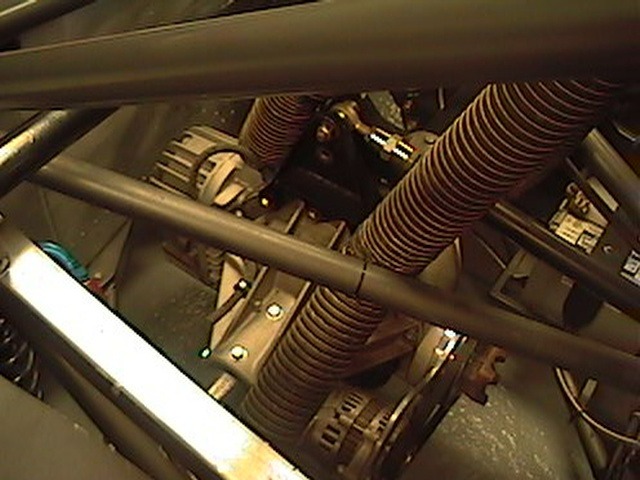
It is also worth noting that the alternator is not driven by the engine, and instead is connected to the input of the differential, to move some weight to the rear of the car, improving weight distribution:
Aerodynamics
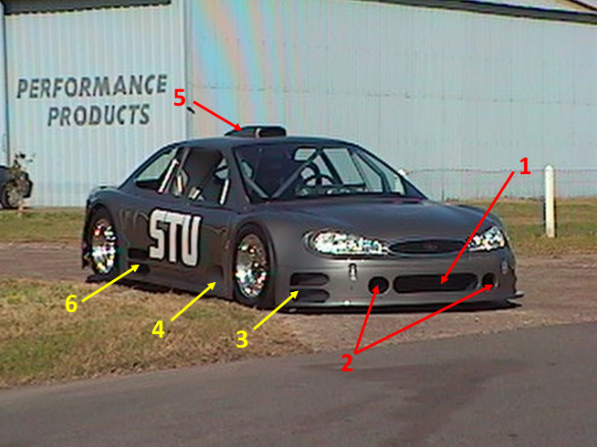
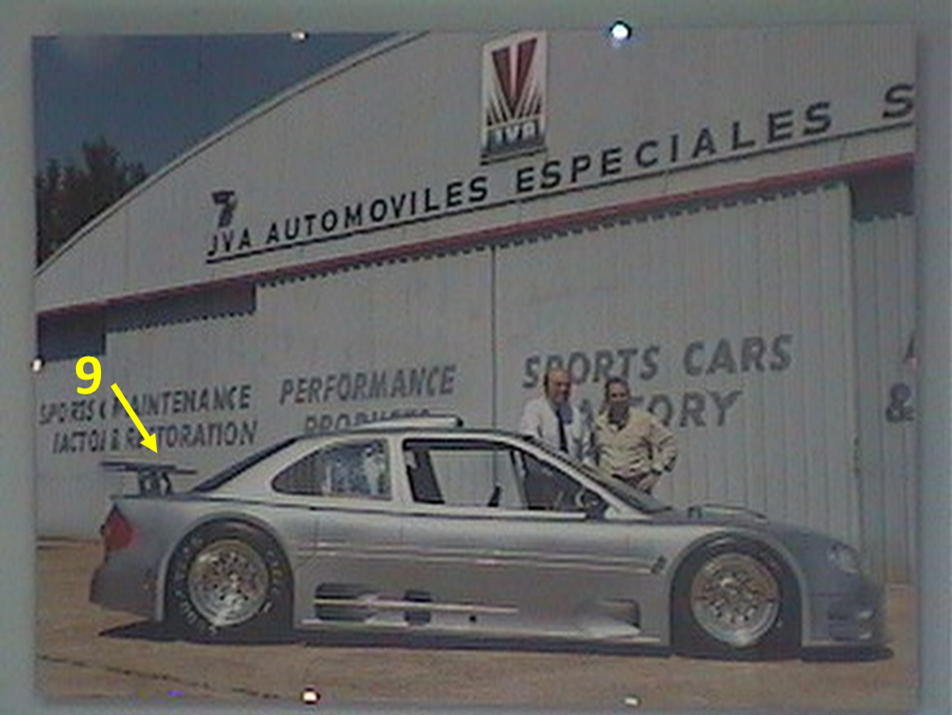
Initially the STU was imagined as a silhouette touring car, similar to the contemporary Brazilian Stock Cars and later Argentinian Top Race V6 cars. To create the first bodywork, a Ford Mondeo Mk II was rented, and the body outline was copied into a positive mold. To accommodate the aerodynamic needs. First, an opening was created in the middle of the “bumper” (1) to feed the front mounted radiator, with two additional circular holes (2) feeding air to cool the brakes. Another set of slits (3) was added just ahead of the front wheels, for which the function is not clear from the available pictures. A pair of circular openings (4) was added just behind the front wheels – one each side – in order to relieve the pressure from the cooling air and tire motion, improving front downforce. On top of the ceiling, an air intake (5) was created, feeding air to the rear differential and two slits (6) were added on each side to feed air to cool the rear brakes.
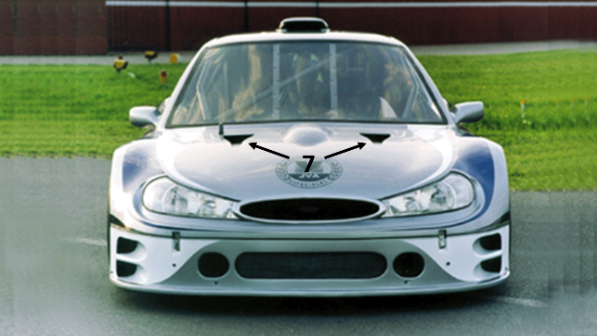
Later on, two additional NACA ducts (7) were added to the “hood”, likely to feed some fresh air to the cabin.
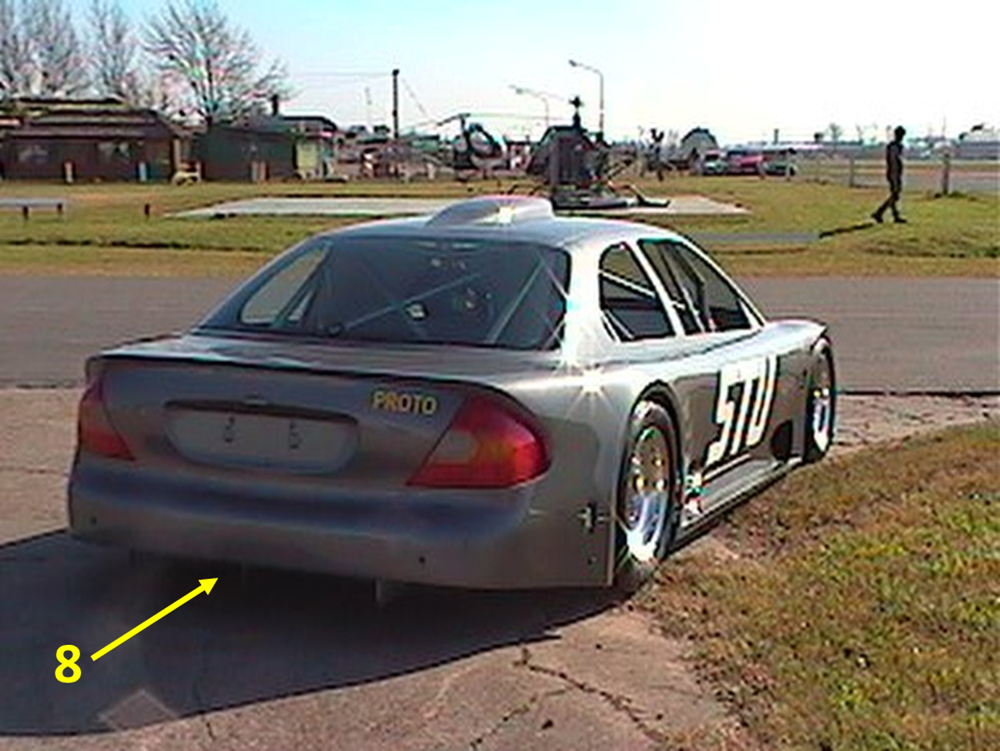
Moving to the rear, the car featured only a relatively small rear diffuser (8) during initial testing.
Later, the rear end would also receive a small wing over the trunk (9).
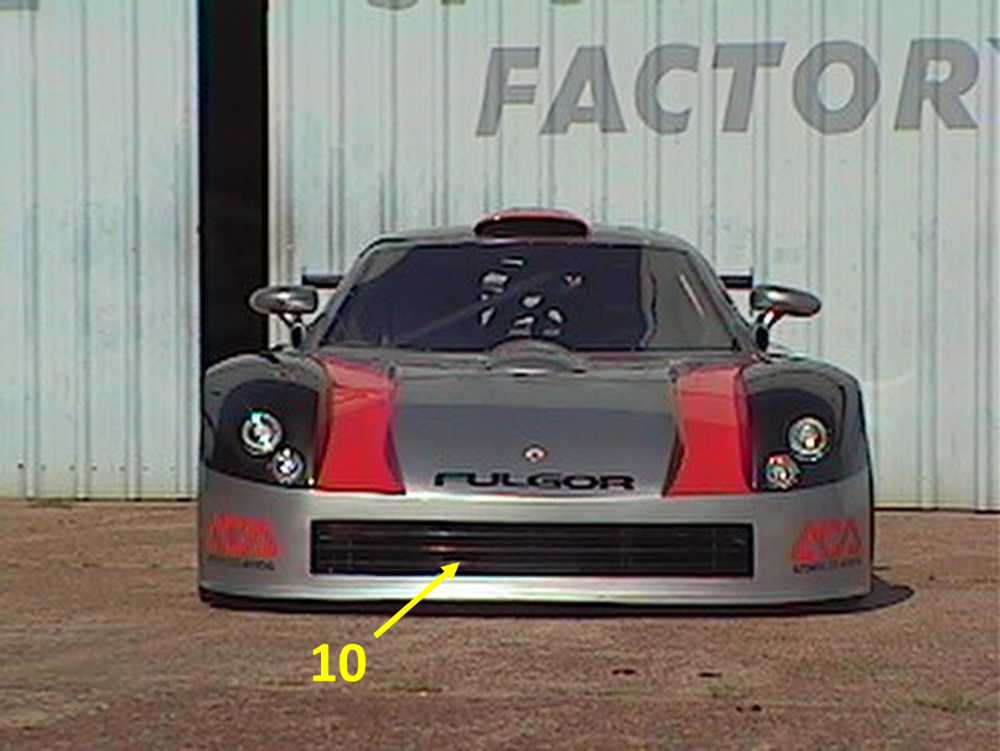
PAfterwards, as the STU did not get traction, the car was converted into the Fulgor SP (for Sport Prototipo, Spanish for Sport Prototype), and a revamp of the bodywork was done.First, the Mondeo look was gone for a unique style, losing any ties to a road car design. The new design incorporated two circular headlights on each side, and a more purpose built look, seemingly lowering the front end, with two channels on top of the hood to direct the airflow around the cockpit. On the bottom, the radiator opening was integrated with the brakes ducts inlets, under a single rectangular inlet (10).
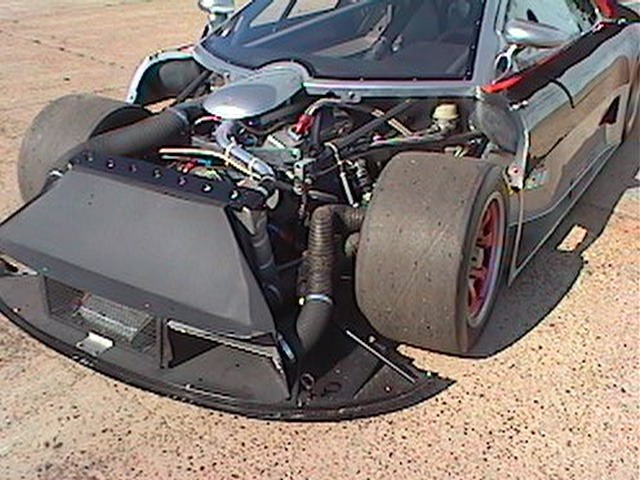
Below, you can see the engine and brake cooling arrangement of the Fulgor SP, and how crowded the front end is.
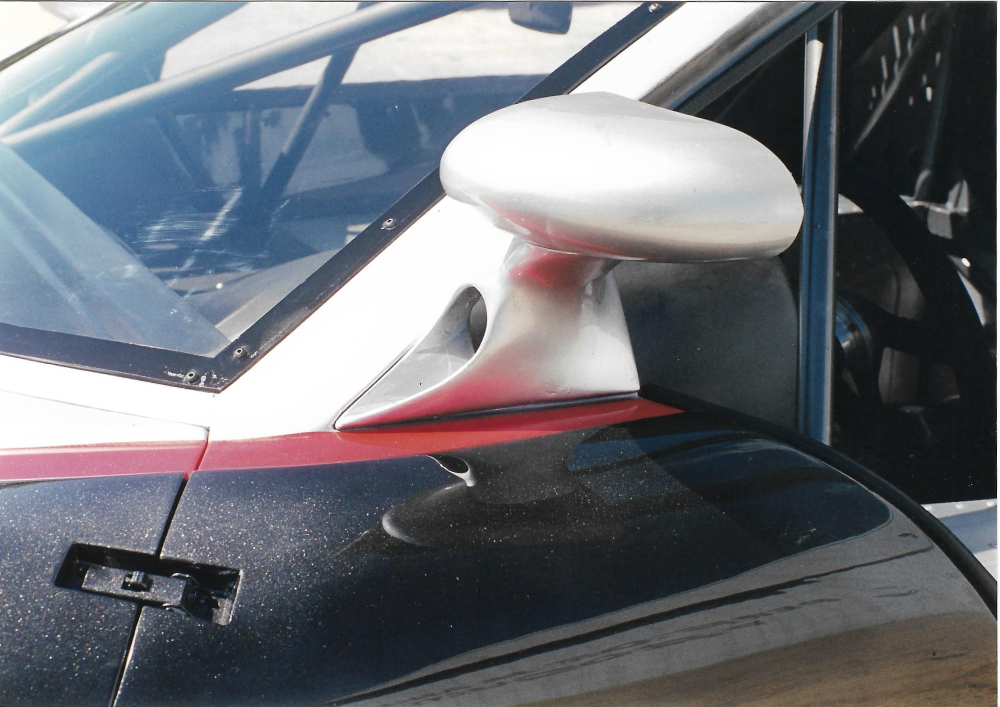
It is also worth noting that the NACA ducts on top of the hood were gone, and air intakes integrated in the rear view mirrors to feed some fresh air into the cabin:
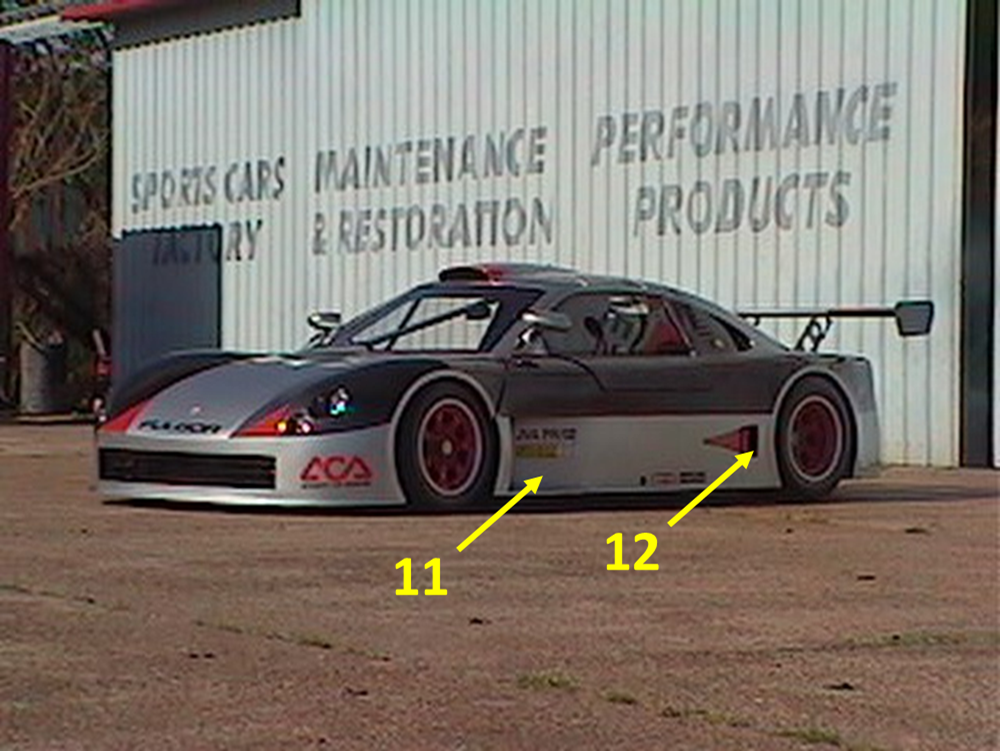
Moving to the side, larger openings were added to vent the wheels arches and engine bay, more akin to a Le Mans prototype (11) and the rear brake cooling intake were reshaped into NACA ducts on both sides (12).
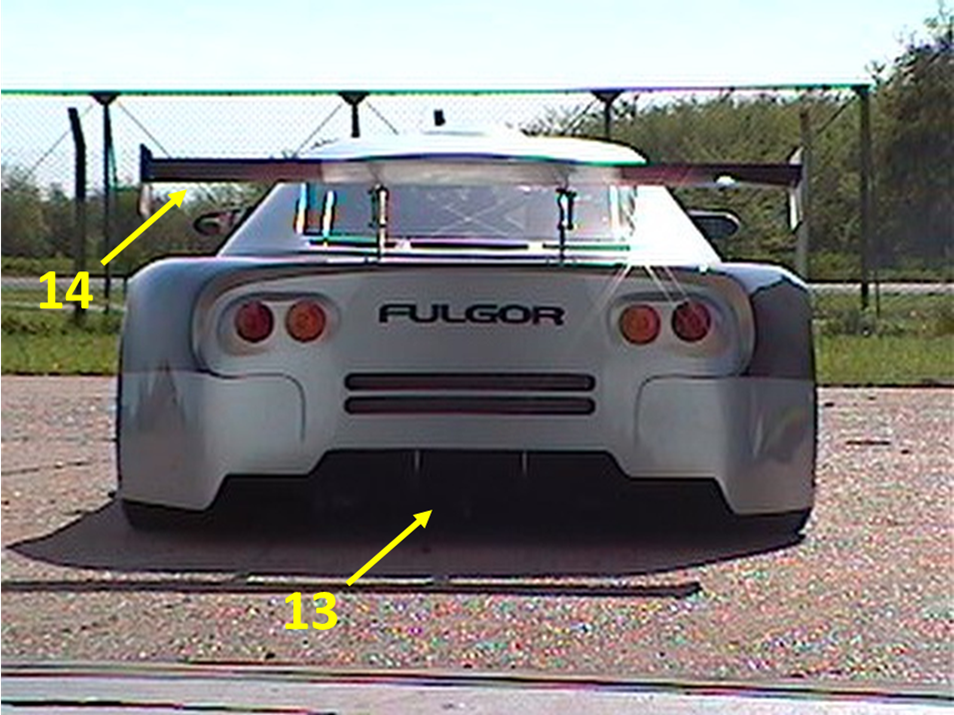
Finally, moving to the rear, the diffuser increased in volume and vertical expansion (13), as well as the rear wing increased in size to cover the full width of the car (14), in a clear search for rear downforce.